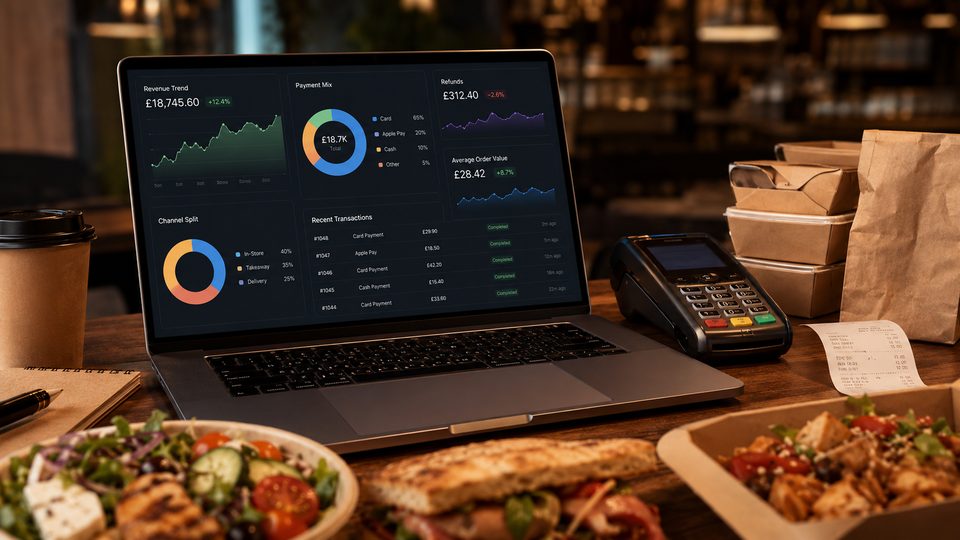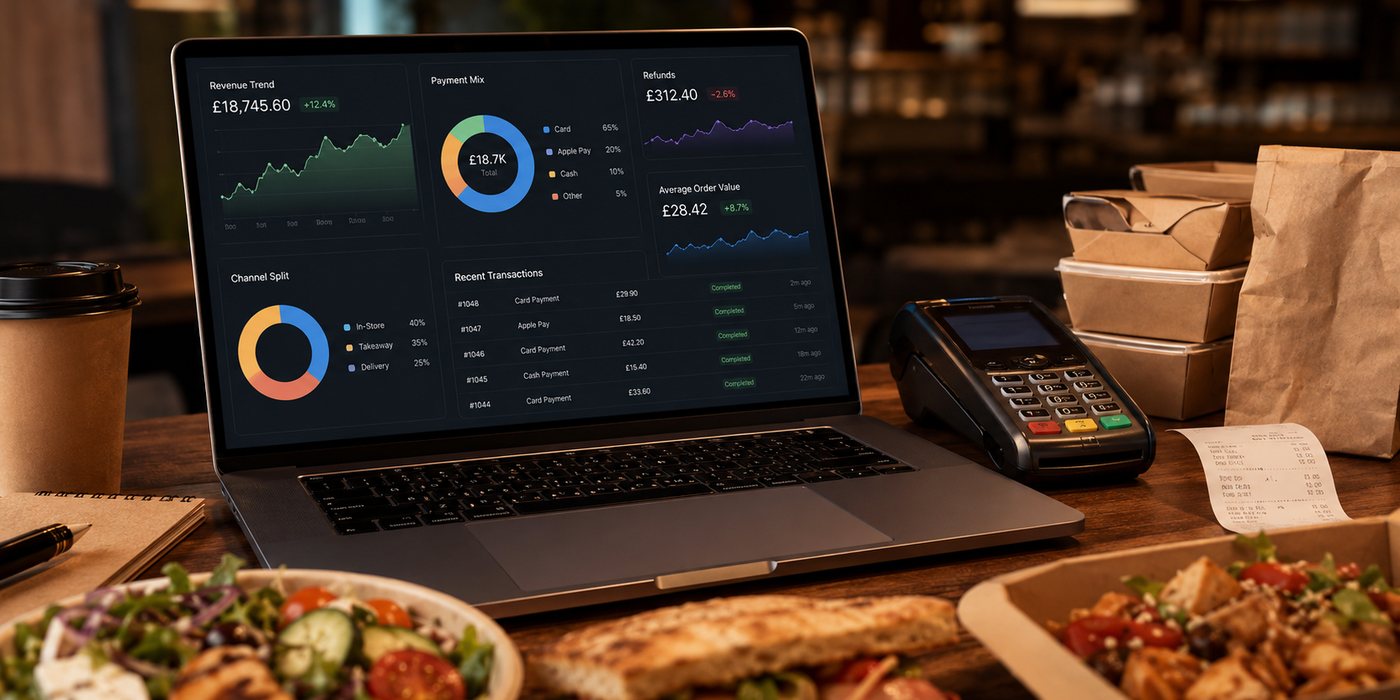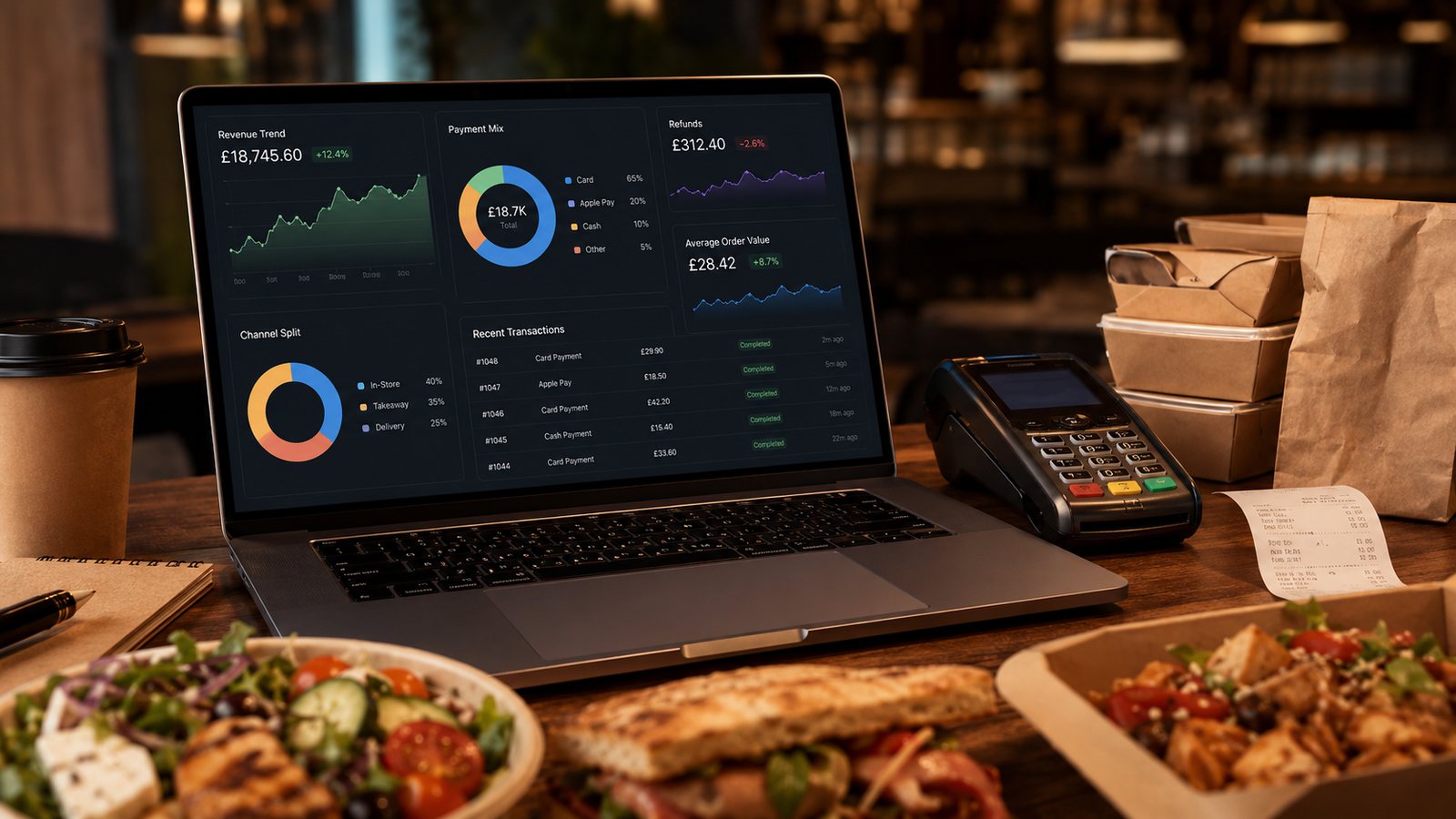
Digital ordering costs extend far beyond platform commission. A useful analysis follows the order from customer acquisition through payment, kitchen, delivery, support, refund and settlement, then separates fixed, variable and avoidable cost.
Create a complete cost map
| Stage | Typical costs |
|---|---|
| Acquisition | Marketplace commission, paid media, discount and campaign labour |
| Ordering | Platform licence, app or website, hosting, support and integration |
| Payment | Percentage and fixed fees, refunds, disputes and settlement options |
| Preparation | Food, packaging, incremental labour, waste and remake |
| Fulfilment | Driver, third-party delivery, equipment, insurance and failed delivery |
| Administration | Menu updates, reconciliation, privacy, training and supplier management |
Separate fixed and variable cost
A monthly licence does not change with every order, while payment charges and food usually do. Some labour is step-fixed: one more order may add little cost until the shift reaches capacity, after which another worker or longer service becomes necessary. Model these thresholds rather than applying one crude percentage.
Allocate shared cost cautiously
POS, rent, management and kitchen equipment support several channels. Use an allocation method that matches the decision. For short-term channel contribution, focus on avoidable and incremental cost. For long-term strategic pricing, include a fair share of overhead and replacement cost. State the method so teams do not compare figures built on different rules.
Include failure cost
- Refunds and redeliveries
- Chargebacks and dispute labour
- Failed payments and duplicate orders
- Late-delivery compensation
- Packaging failures and waste
- System downtime and manual recovery
- Customer-support time
Reconcile to evidence
Link the model to provider statements, payroll, packaging purchases, delivery records and bank deposits. Gross order value must not be confused with net payout. Keep marketplace charges, payment fees, discounts and refunds in separate categories.
Use scenario analysis
Model normal, peak and failure conditions. Test a higher food cost, lower basket value, more delivery distance, larger refund rate and supplier price increase. A channel that appears profitable under one average can become weak under common peak conditions.
Practical next step
Select one week and rebuild the economics of every channel from gross orders to contribution. List any cost currently hidden inside a net supplier payout or general overhead account.
Assign cost ownership
Every cost category needs an owner who can explain the source and update frequency. Finance should own statements and accounting treatment; operations should own labour and failure assumptions; menu owners should maintain recipe and packaging cost; system owners should maintain contracts and licences.
Use a cost-change register
Record effective date, previous value, new value, affected channels and expected impact. Recalculate representative baskets after a material change. This is especially important where a provider changes commission bands, introduces a fixed fee or alters refund treatment.
Check avoidability
Before claiming a saving, confirm that the cost will actually disappear. Closing one channel may not reduce rent or base staffing, and customers may move to another paid channel. Distinguish cash saving, cost avoidance and accounting allocation.
Related guides
- Business Planning and Finance — the main guide for the wider topic.
- Break-Even Analysis for a Takeaway App — a detailed next step for putting this guidance into practice.
- Total Cost of Running Online Ordering — a detailed next step for putting this guidance into practice.
- Budget Planning for Digital Investment — a closely related operational control to review alongside this page.
- Pricing and Margin Management — a closely related operational control to review alongside this page.
Sources and date checked
Guidance checked: 24 July 2026. Recheck official guidance, local requirements and supplier documentation before changing a live operation.