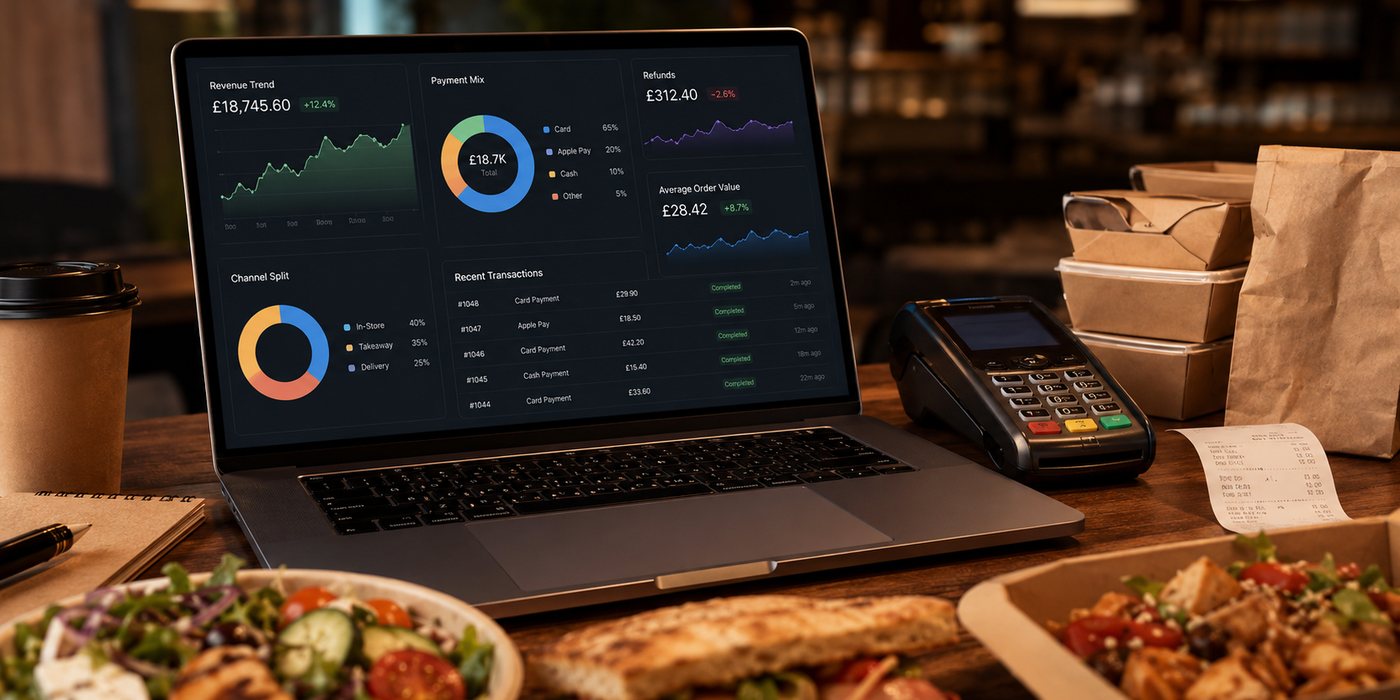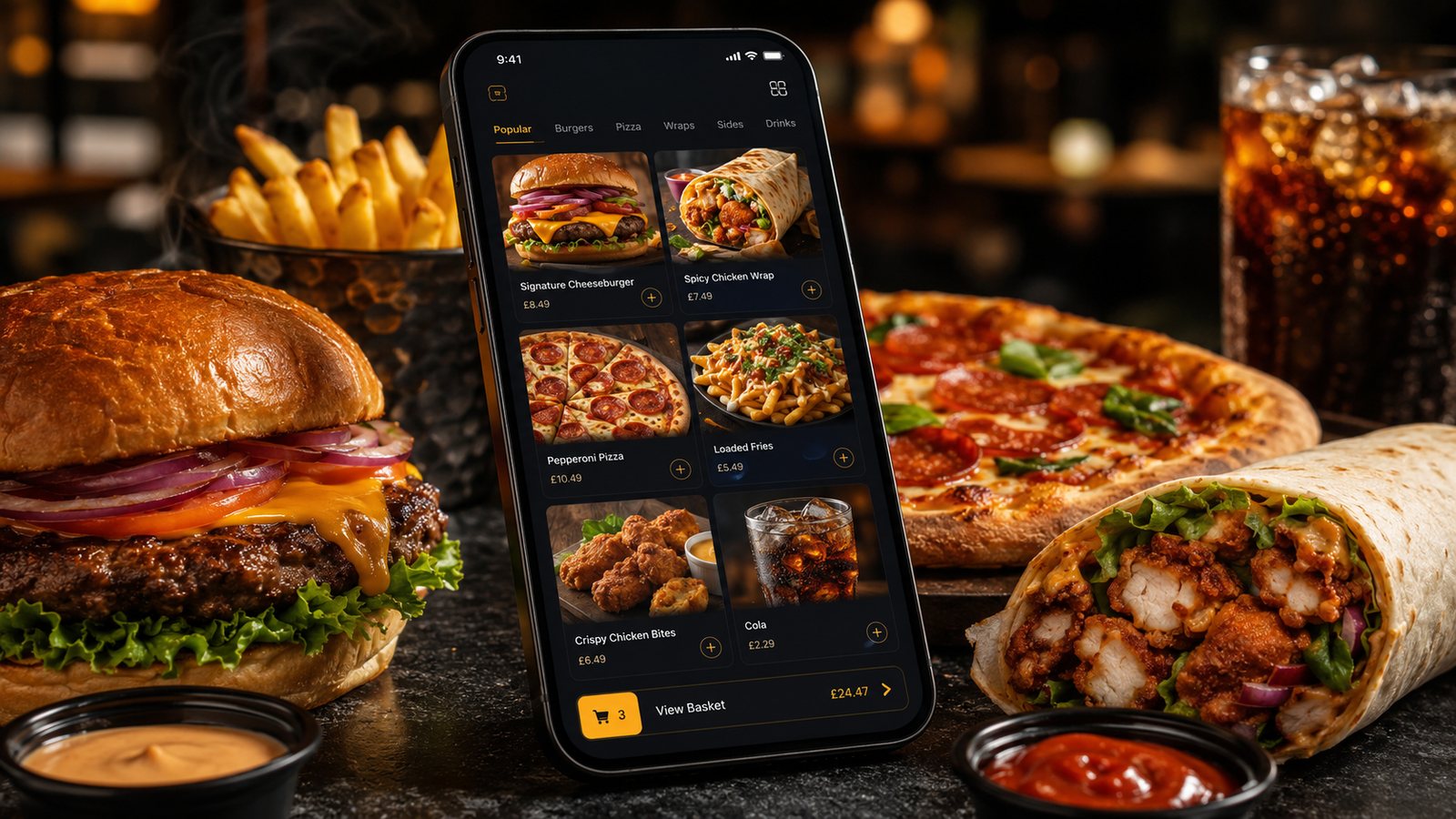
Online ordering should make it easier for customers to place an accurate order and easier for the takeaway to fulfil it profitably. The technology matters, but menu governance, kitchen capacity, payment control and recovery procedures matter more.
Use this section as an operating system, not a software catalogue
A takeaway can accept orders through a direct website, a branded app, one or more marketplaces, the telephone and the counter. Adding another channel is useful only when the business can keep prices, availability, preparation promises and customer support consistent. The strongest online-ordering model is therefore not the one with the most features. It is the one in which every accepted order enters a controlled workflow and reaches the kitchen with enough information to be prepared, checked and handed over safely.
| Decision | Question to answer | Relevant guide |
|---|---|---|
| Choose a channel | Do you need customer discovery, direct repeat ordering, or both? | Owned Channels vs Marketplaces; Direct Ordering vs Marketplaces |
| Select a system | Can it support the real menu, payments, kitchen and reporting workflow? | How to Choose an Online Ordering System |
| Design the customer journey | Can a customer see the full price, availability and realistic fulfilment promise before paying? | How to Design Checkout for Takeaway |
| Control operations | How do all channels share capacity and one order status? | Order Handling and Operations; Multi-Channel Order Management |
| Protect margin | What is the contribution after food, packaging, payment, delivery and failures? | Total Cost of Running Online Ordering; Channel Profitability |
| Manage risk | How are allergens, personal data, refunds and outages handled? | Online Compliance and Food Safety; System Reliability and Fallback |
Start with the order flow
Draw the complete path from menu selection to settlement. Include address validation, delivery or collection choice, modifiers, allergen information, payment outcome, acceptance, kitchen routing, preparation, packing, driver or collection handover, complaint handling, refund and reconciliation. Assign an owner to every status. A dashboard label is useful only if staff know which real event changes it and what to do when the event does not occur.
Choose channels for different jobs
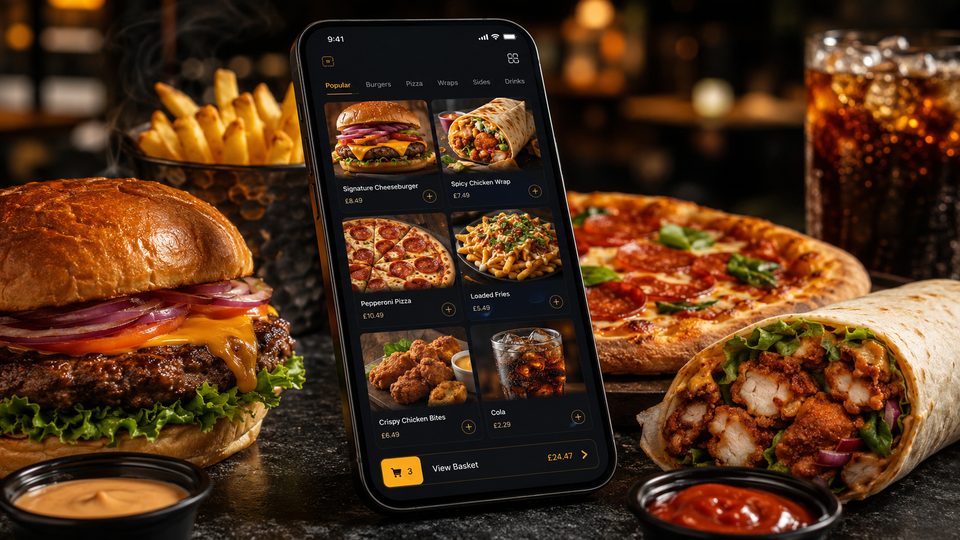
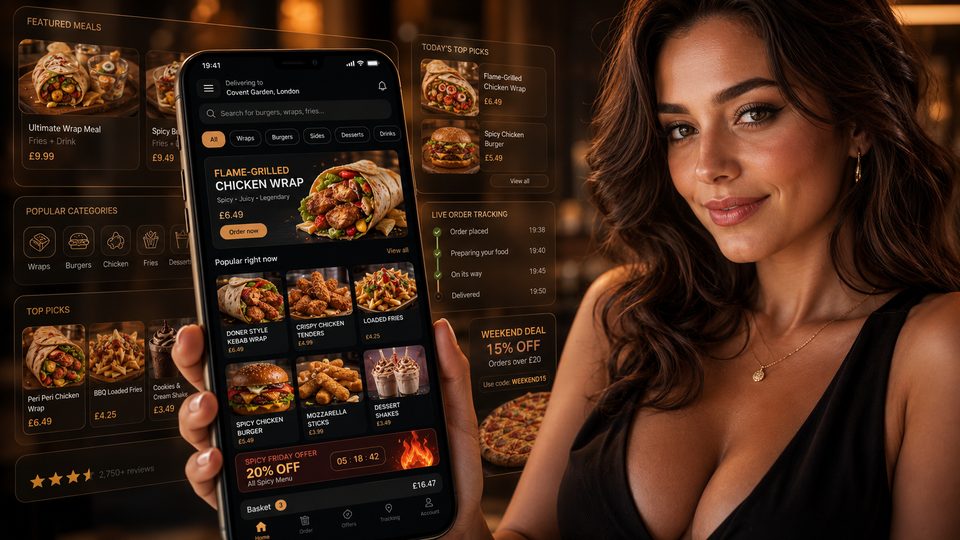
Marketplaces can provide discovery and delivery infrastructure, but the commercial terms, customer relationship and operational controls vary by provider. A direct website can give more ownership and a lower variable channel charge, but it does not create demand or delivery capacity by itself. A branded app may support repeat use when customers have a genuine reason to install and keep it; for many businesses, a strong mobile website is the more proportionate first step. Hybrid operation is common, but every additional channel must use the same capacity limits and a reconciled menu source.
Make the menu a controlled data product
- Give every item and modifier a stable identifier.
- Separate customer-facing names from kitchen-routing names where necessary.
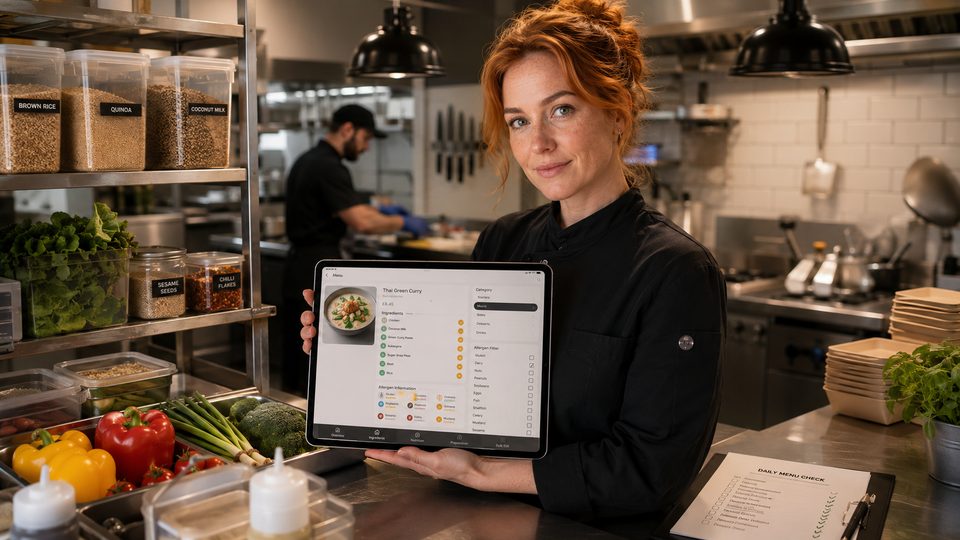
- Define the approved source for ingredients and allergen information.
- Test prices, options, sold-out rules and dayparts on every destination.
- Record channel-specific exceptions instead of silently editing copies.
- Use a release checklist and rollback method for material menu changes.
Protect the kitchen from invisible demand
Online orders can arrive in a burst without a visible queue. Configure capacity across all channels, not one system at a time. Use preparation profiles, collection slots, delivery-zone controls, item availability and temporary throttling. Do not promise a fixed time simply because the platform asks for one. The promise should reflect kitchen workload, packing, driver availability, journey conditions and the number of orders already committed.
Design checkout for clarity and recovery
The customer should understand the fulfilment method, address eligibility, available time, item choices and payable total before confirming payment. Guest checkout should be available unless an account is genuinely necessary. Marketing permission must be separate from order fulfilment. The system also needs explicit paths for payment decline, delayed confirmation, duplicate submission and a payment that appears successful without a confirmed order.
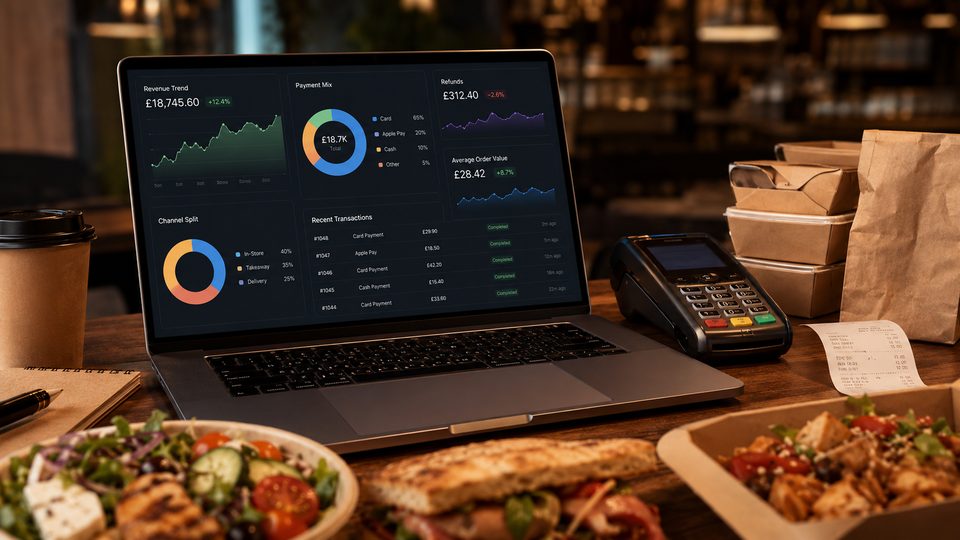
Measure the operation, not vanity demand
| Measure | Why it matters |
|---|---|
| Accepted and completed orders | Separates usable demand from failed attempts. |
| Contribution by channel and fulfilment type | Shows whether volume creates healthy value. |
| Promise accuracy | Tests whether displayed times match reality. |
| Correction, remake and refund reasons | Locates menu, payment, kitchen and delivery failures. |
| First-to-second order rate | Shows whether the experience creates repeat use. |
| Unmatched orders, payments and settlements | Protects cash and accounting accuracy. |
Launch and change in controlled stages
Test representative baskets, edge addresses, modifiers, allergens, payments, refunds, printer or KDS routing and outage procedures before public launch. Start with a limited menu, location, audience or service period. Define entry criteria, pause criteria and rollback. After launch, reconcile every day until exceptions are understood. A successful pilot proves that the whole operation can fulfil orders, not merely that the checkout can take payment.
Related guides
- Getting Started with Online Ordering — a detailed next step for putting this guidance into practice.
- Marketplace Operations — a detailed next step for putting this guidance into practice.
- Delivery Management — a closely related operational control to review alongside this page.
- Payments — a closely related operational control to review alongside this page.
- Restaurant Apps — a connected decision that can change the recommended approach.
- POS and Kitchen Systems — a connected decision that can change the recommended approach.
Sources and date checked
Guidance checked: 24 July 2026. Recheck platform terms, prices and regulatory guidance before implementation.