More direct orders.
Better operations.
Your platform.
Expert guides for takeaway owners choosing apps, online ordering, POS systems, delivery tools and profitable digital workflows.
Everything needed to run digital takeaway ordering well
Start with a core area, then move from strategic guides to practical implementation.
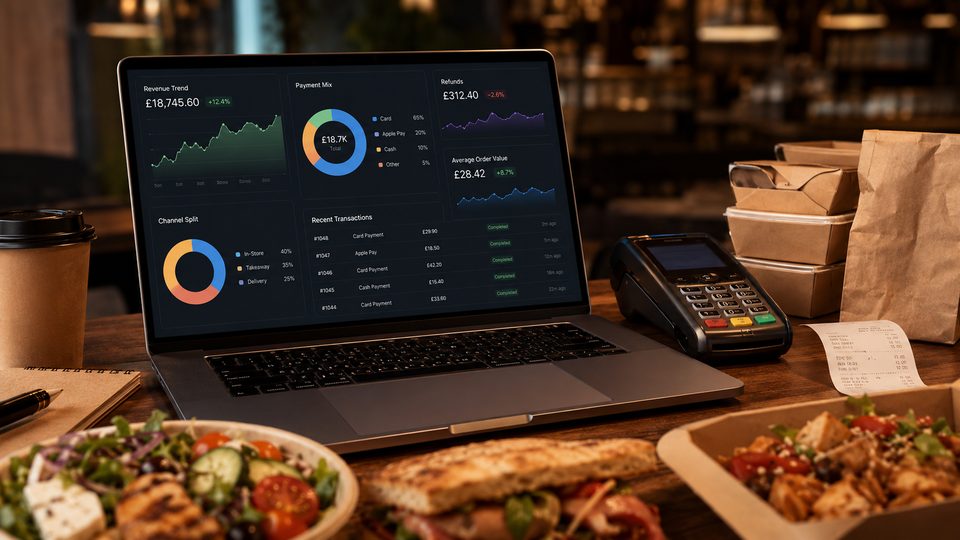 Business Planning and Finance15 connected guidesExplore topic →
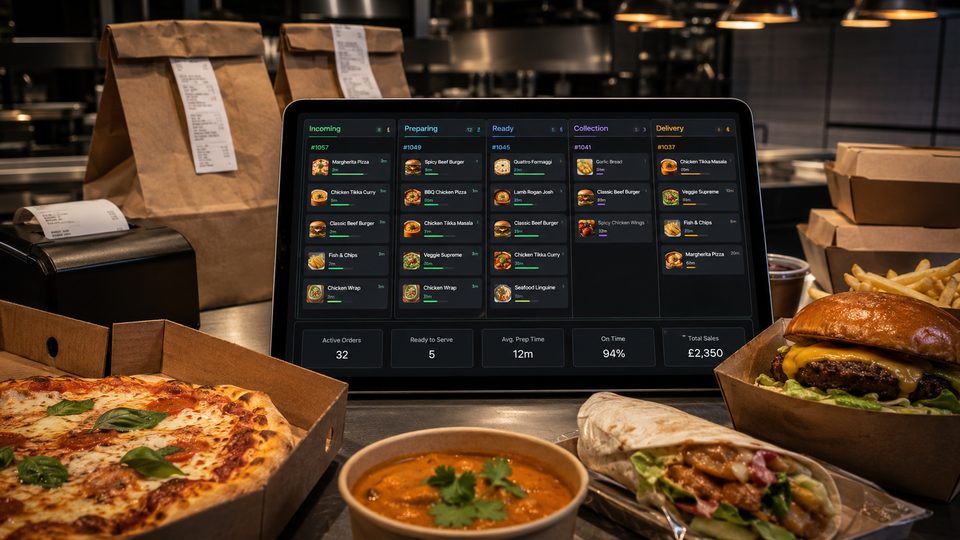 Cross-Channel Operations11 connected guidesExplore topic →
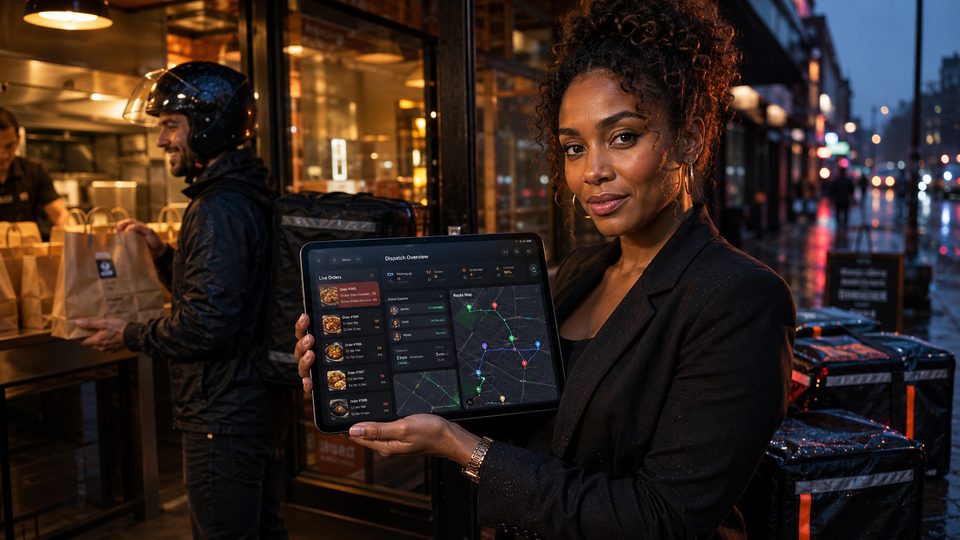 Delivery Management22 connected guidesExplore topic →
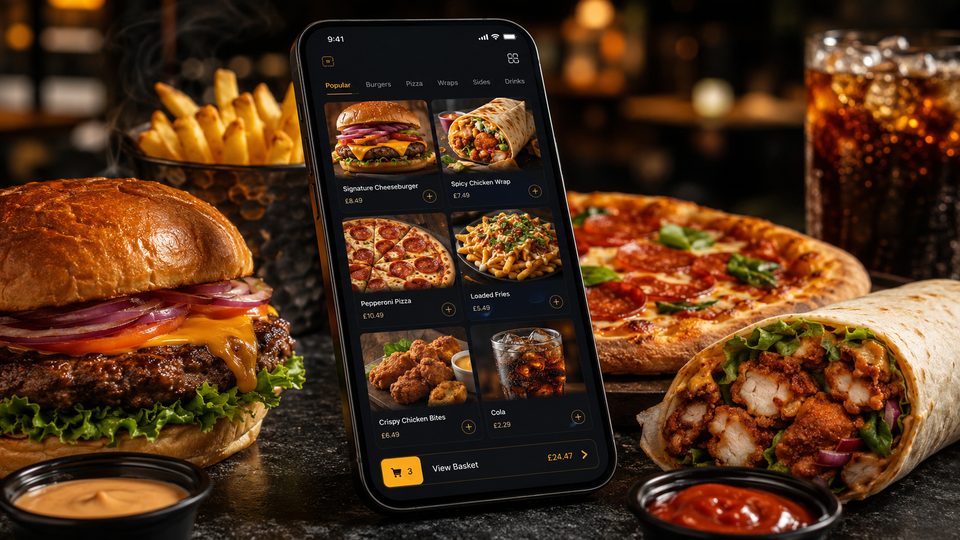 Online Ordering24 connected guidesExplore topic →
POS and Kitchen Systems21 connected guidesExplore topic →
Online Ordering24 connected guidesExplore topic →
POS and Kitchen Systems21 connected guidesExplore topic →
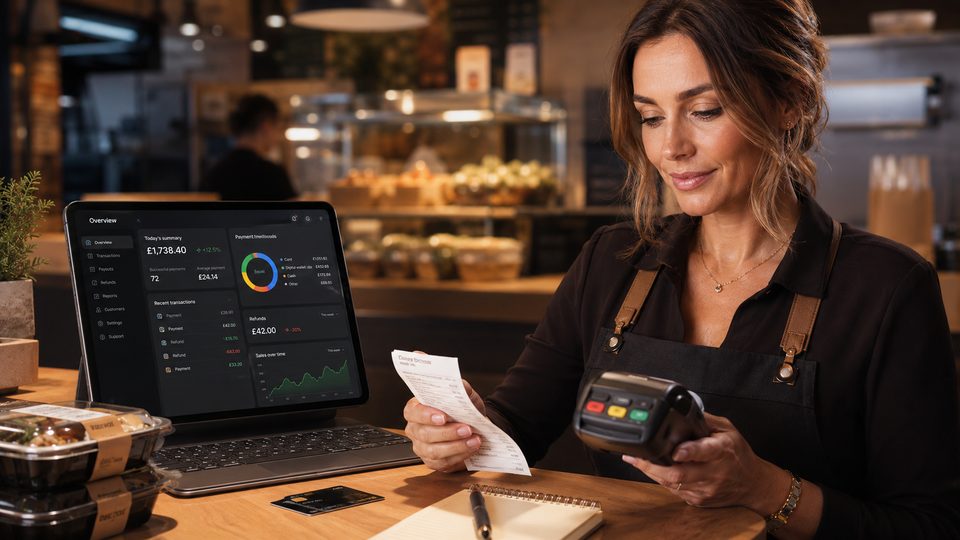 Payments18 connected guidesExplore topic →
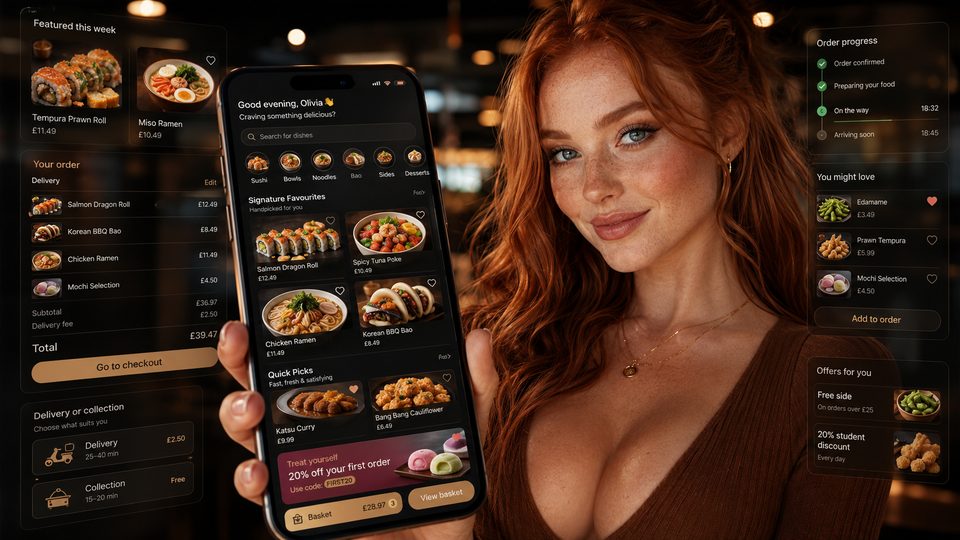 Restaurant Apps18 connected guidesExplore topic →
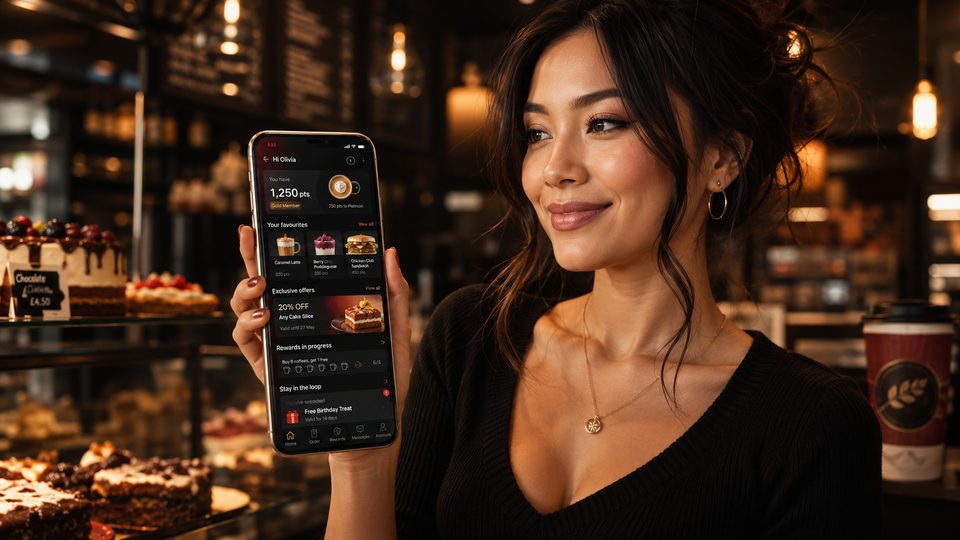 Restaurant Marketing and Customer Retention23 connected guidesExplore topic →
Build the right system in the right order
A strong customer app cannot compensate for a weak menu, kitchen bottleneck or unclear payment process.
Direct, marketplace, website or app — based on customer need and operational reality.
02Connect the operationMenu, POS, kitchen routing, printers, availability and fallback.
03Control fulfilmentZones, capacity, drivers, packaging, tracking and failed-delivery handling.
04Measure useful profitContribution, full cost, channel performance and staged investment.
Start with the decisions that shape everything else
Online OrderingRestaurant Online Ordering GuideOnline ordering is not simply a new way to take payment. It changes how orders enter the business, how the kitchen controls capacity, how custome…Read guide →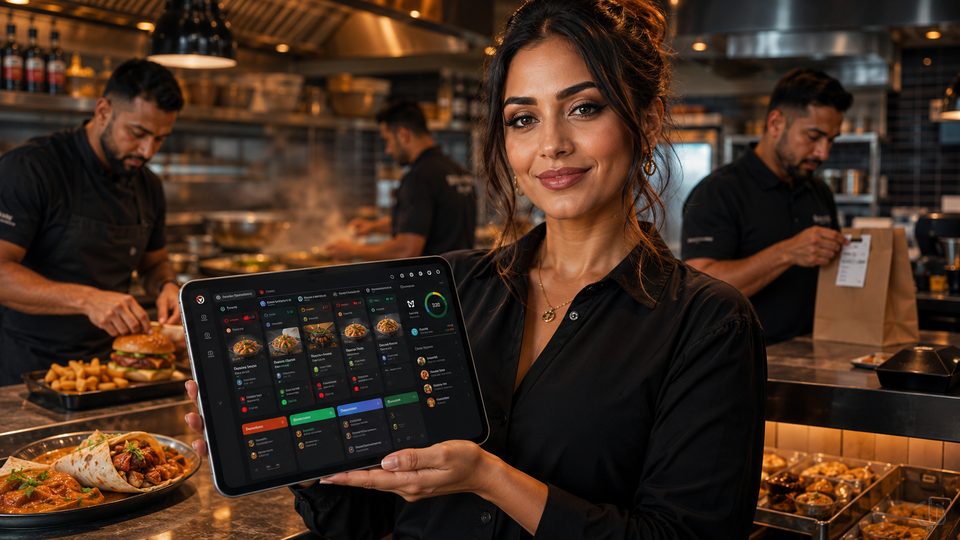 POS and Kitchen SystemsHow to Choose a Restaurant POS SystemChoose a POS system by testing how it handles the takeaway’s real order flow, not by counting features on a sales page. The system should reduce …Read guide →Delivery ManagementRestaurant Delivery Operations GuideDelivery should be designed as an operational channel with its own capacity, costs, risks and recovery procedures. This guide provides a practica…Read guide →PaymentsPayment Gateway FundamentalsA payment gateway connects the takeaway’s checkout to the organisations that authorise and settle a card or wallet payment. The customer sees one…Read guide →Business Planning and FinanceCost Analysis for Digital OperationsDigital ordering costs extend far beyond platform commission. A useful analysis follows the order from customer acquisition through payment, kitc…Read guide →
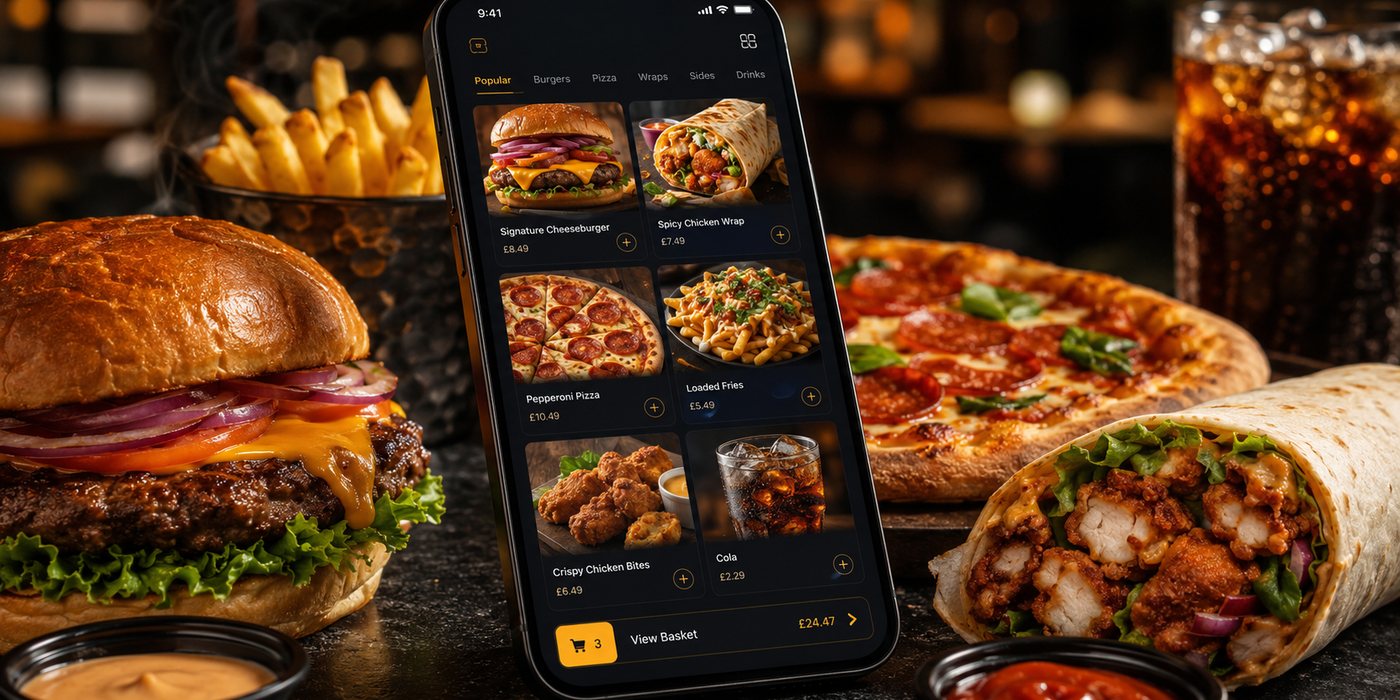
Make the food look irresistible — and the operation dependable
Great ordering design combines appetising presentation with accurate availability, clear prices, useful modifiers and a checkout that survives payment uncertainty.
Explore restaurant apps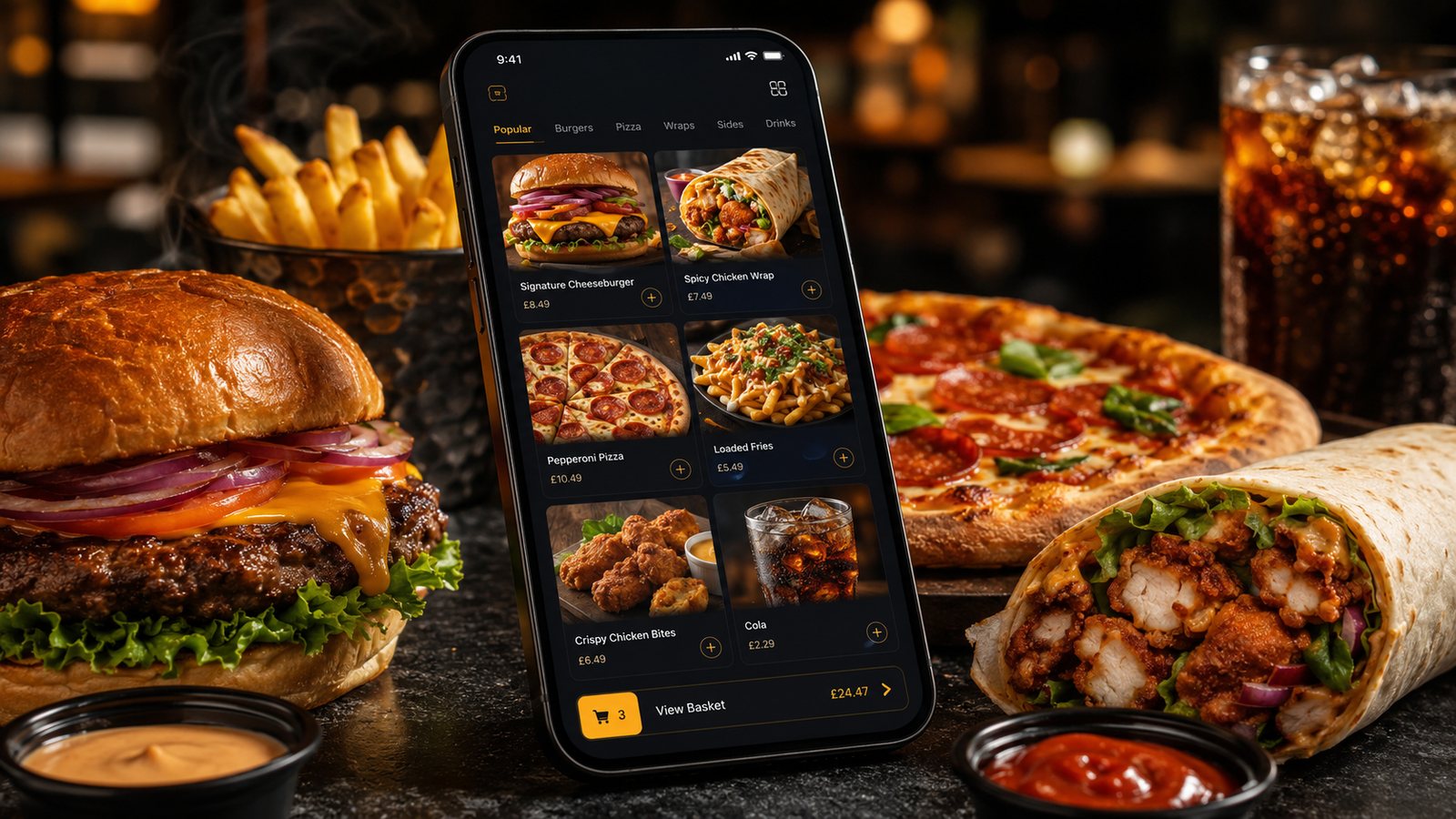
Latest practical guidance
New material appears automatically according to the editorial schedule.
 Restaurant Marketing and Customer RetentionEmail Deliverability and ComplianceDeliverability and compliance support each other: wanted, well-governed mail is more likely to reach customers and less likely to produce complai…Read guide →
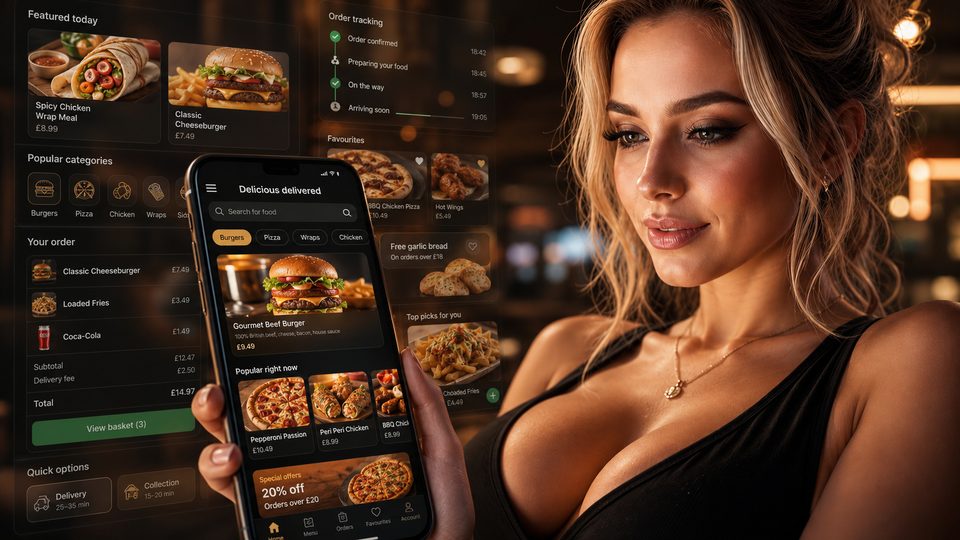 Delivery ManagementLive Order Tracking for CustomersCustomer tracking should reduce uncertainty, not create a false promise. A simple, accurate sequence of statuses can be more useful than a moving…Read guide →POS and Kitchen SystemsKitchen Printers vs Customer ReceiptsKitchen tickets and customer receipts may originate from the same order, but they serve different users and should not be treated as the same doc…Read guide →
 Restaurant AppsWhite-Label Restaurant Apps: Pros and ConsA white-label app can shorten delivery time, but the important trade-off is not branding versus code. It is the supplier operating model, ownersh…Read guide →
 Online OrderingMarketplace Commission StructuresMarketplace cost is rarely one simple percentage. The total depends on the provider, contract, delivery model, promotions, payment treatment, ref…Read guide →PaymentsMarketplace Payout IssuesA missing or reduced marketplace payout should be investigated as a reconciliation problem, not guessed from the bank balance. The difference may…Read guide →Restaurant Marketing and Customer RetentionEmail Campaign Types for RestaurantsCampaign type should follow a customer need and an operationally valid reason to contact them. A weekly discount email is not a default requireme…Read guide →Delivery ManagementHow to Reduce Failed DeliveriesReduce failed deliveries by improving the order before dispatch, making promises from real capacity and giving drivers a safe, consistent excepti…Read guide →
Start with the complete online ordering guide
Use the main guide to choose channels, map the order flow and avoid expensive platform decisions made too early.
Read the complete guide