Marketing for a takeaway should create profitable, permission-based repeat demand that the kitchen and delivery operation can fulfil. More messages and discounts are not a strategy.
Start with the customer and operational journey
Marketing begins with a dependable order. If availability is wrong, delivery promises are unrealistic or complaints are unresolved, acquisition simply exposes more customers to the same failure. Build the plan around discovery, first successful order, second order, regular use, lapse and recovery.
Use the section as a decision map
| Need | Relevant guide |
|---|---|
| Design repeat-order economics | Loyalty and Retention Strategy |
| Choose a loyalty mechanism | Restaurant Loyalty and Retention Guide and Loyalty Programme Design |
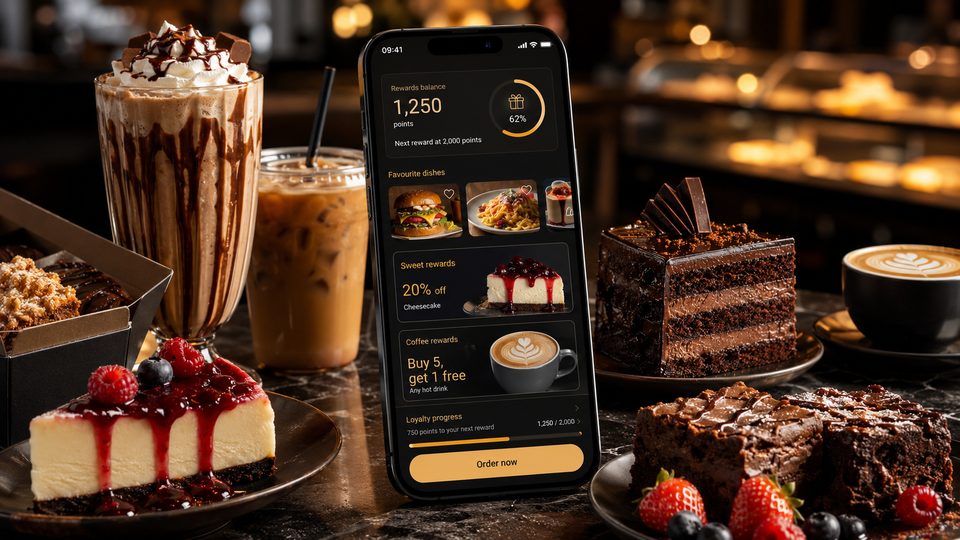
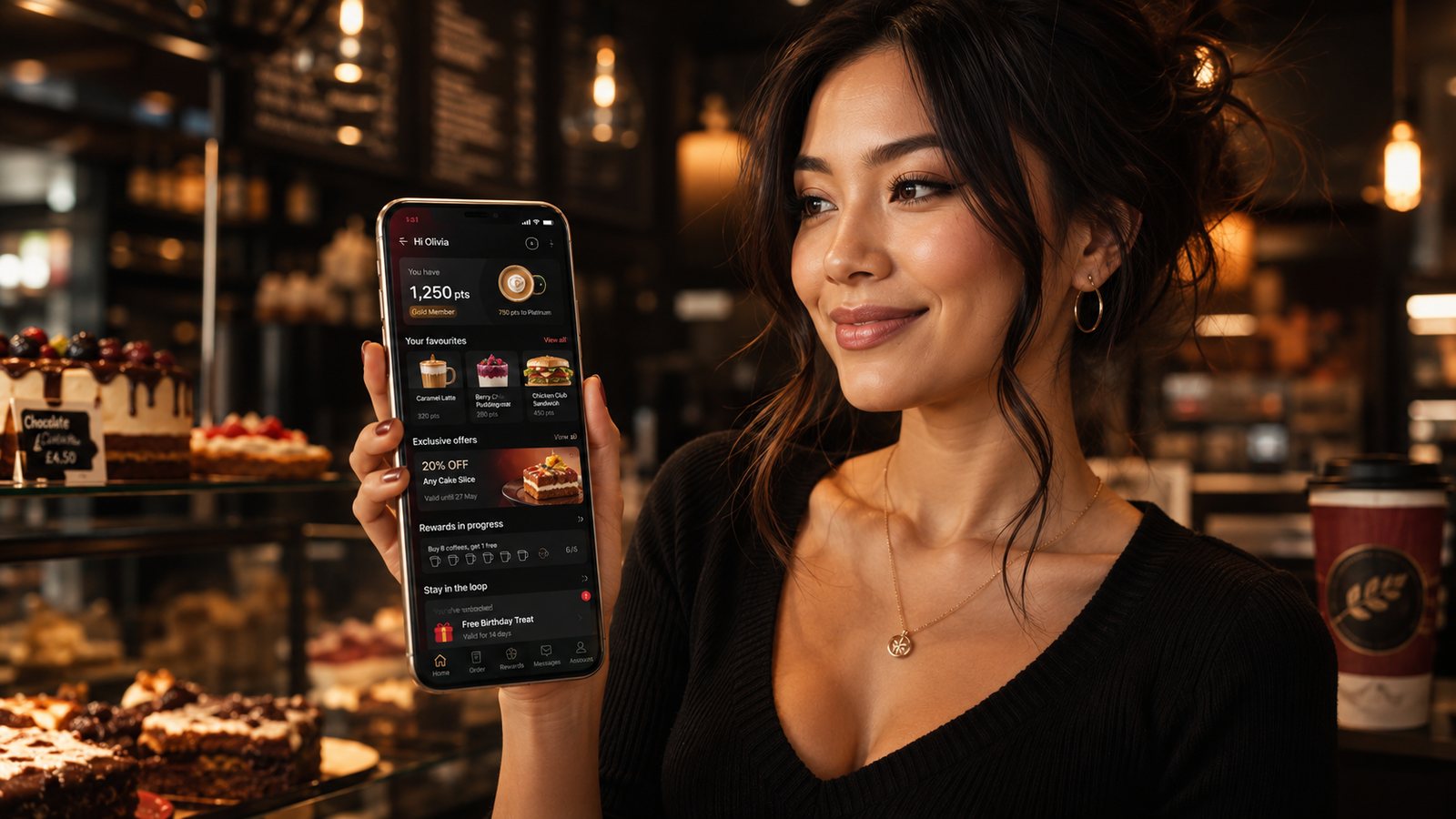
| Use an app without over-messaging | Push Notifications and App Engagement |
| Build permission-based email | Email Marketing for Takeaways |
| Use text messages appropriately | SMS Marketing for Takeaways |
| Control customer information | Customer Data and Database Management |
| Run discounts without damaging margin | Promotional Codes and Discounts |
| Measure actual impact | Measuring Marketing Performance |
Build a channel hierarchy
Service messages belong to order fulfilment. Direct marketing promotes products, offers or the business. Keep those purposes separate. Use email for richer content and lower urgency, SMS for concise time-sensitive messages where lawful, and push for customers who have installed the app and enabled permission. Do not copy the same campaign into every channel automatically.
Plan permission before campaign content
- Record the source, wording, date and channel of permission.
- Use consent or a valid soft opt-in only where its requirements are met.
- Offer an easy opt-out in every marketing message.
- Keep suppression records so opted-out contacts are not re-added.
- Separate marketplace customer data from the restaurant’s own marketing list.
- Explain profiling, segmentation and retention in the privacy information.
Protect margin and capacity
Campaigns should use contribution, not gross sales, as their financial measure. Check food cost, packaging, payment, delivery, discount and incremental labour. Limit offers when the kitchen is already busy and ensure advertised items, slots and delivery coverage are genuinely available.
Measure cohorts, not vanity totals
| Metric | What it should answer |
|---|---|
| First-to-second order rate | Do acquired customers return? |
| Repeat order interval | Is the relationship becoming stronger? |
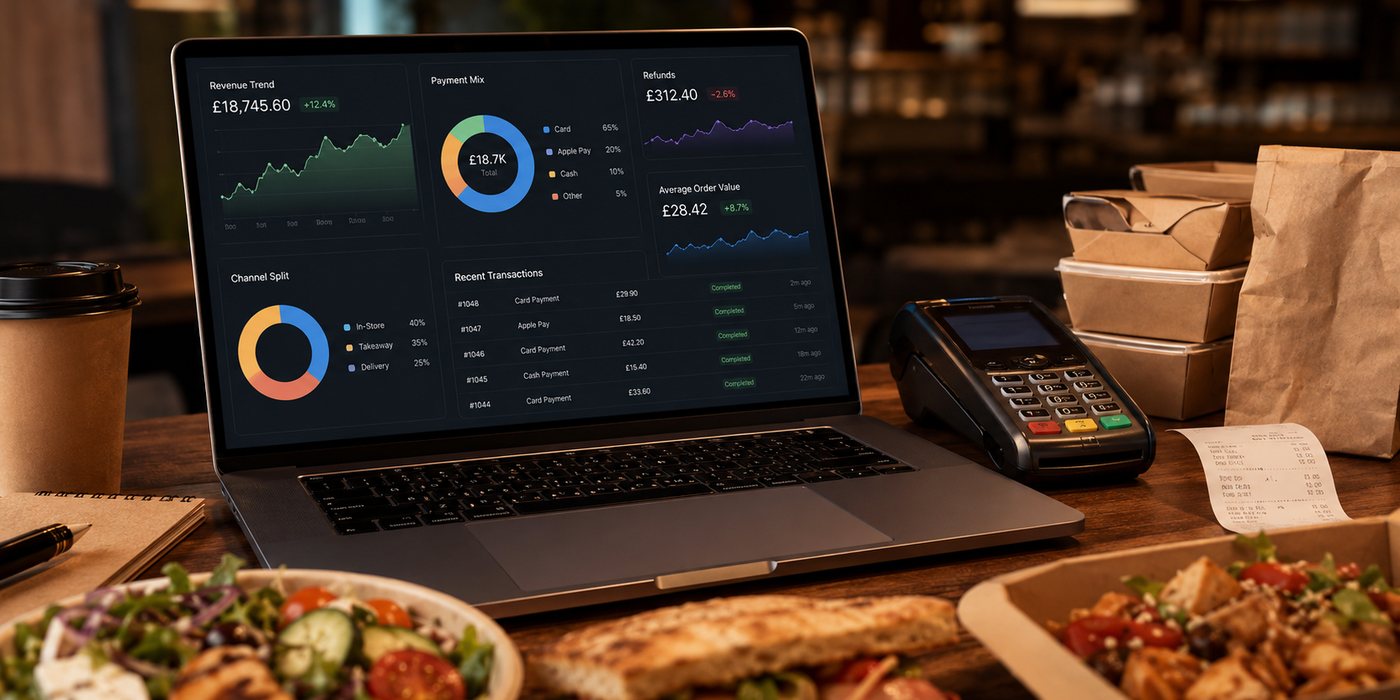
| Contribution after campaign cost | Did the activity create healthy value? |
| Opt-out and complaint rate | Is pressure or targeting excessive? |
| Kitchen and delivery impact | Could the operation fulfil the demand? |
| Holdout or comparison group | Would some orders have happened anyway? |
Govern the calendar
Use one campaign calendar across push, email, SMS, app banners and discount codes. Assign an owner for approval, data selection, operational capacity, terms, suppression and post-campaign review. Stop campaigns that create complaints, poor contribution or unsafe pressure.
Practical next step
Map one customer cohort from first order to second order. Identify the operational or communication barrier before adding another promotional channel.
Operate a monthly marketing control meeting
Review the campaign calendar, suppression failures, complaint themes, discount exposure, capacity incidents and cohort performance. Include operations, customer support and finance, not only marketing. Pause automations that no longer have an owner or a current purpose.
Document channel ownership
For each email, SMS, push, loyalty and promotional-code tool, record the business owner, supplier administrator, data source, approval route, emergency stop and export method. This makes it possible to honour customer choices consistently when staff, agencies or suppliers change.
Related guides
- Customer Acquisition — a detailed next step for putting this guidance into practice.
- Customer Data and Database Management — a detailed next step for putting this guidance into practice.
- Restaurant Apps — a closely related operational control to review alongside this page.
- Business Planning and Finance — a closely related operational control to review alongside this page.
- Online Ordering — a connected decision that can change the recommended approach.
- Payments — a connected decision that can change the recommended approach.
Sources and date checked
Guidance checked: 24 July 2026. Recheck supplier pricing, platform terms and regulatory guidance before acting.