Managing Online Reviews
Managing online reviews is a shift-level customer-service process, not a task to remember when the average rating falls. The aim is to identify the customer, verify what happened without exposing private information,…

Managing online reviews is a shift-level customer-service process, not a task to remember when the average rating falls. The aim is to identify the customer, verify what happened without exposing private information, offer an appropriate remedy and convert repeated complaints into operational action.
Prepare before a complaint arrives
- Claim the business profile on each active platform and keep ownership details current.
- Turn on alerts to a monitored inbox rather than a former employee's address.
- Define who may publish replies and who may authorise refunds, redeliveries or goodwill.
- Prepare escalation routes for suspected allergen incidents, food safety, threats, fraud and data exposure.
- Keep an internal complaint log that can be linked to the relevant order without copying sensitive details into public notes.
Triage reviews by risk
| Type | Immediate action | Public reply |
|---|---|---|
| General praise | None beyond normal monitoring | Short, specific thanks |
| Minor service issue | Check order and staff record | Acknowledge and offer a private route |
| Refund or missing order | Check channel, payment and existing remedy | Do not discuss transaction details publicly |
| Food safety or allergen concern | Escalate immediately and preserve evidence | Invite urgent direct contact; avoid speculative explanations |
| Threatening, abusive or apparently fake content | Preserve screenshots and use the platform reporting process | Do not retaliate or reveal customer data |
Investigate before writing a detailed response
Search by order number, date, channel and approximate time. Compare the order record with payment status, kitchen ticket, dispatch time, driver notes and any earlier support conversation. A platform may already have refunded the customer, so confirm the current remedy before promising another one.
Do not require a customer to publish an order number or phone number in the review thread. Give a secure contact route and request only the information needed to identify the order.
Write for the customer and the silent reader
A useful response is concise, factual and human. It acknowledges the experience without turning an unresolved allegation into an established fact. It tells the customer what happens next and shows future readers that the business has a process.
“We're sorry your delivery arrived later than the time shown. We would like to check the kitchen and driver timings and make sure the correct remedy is recorded. Please contact us through [working contact route] with the order date and first part of the postcode.”
Avoid stock phrases such as “this is not our usual standard” when the review history suggests otherwise. Do not blame a driver, marketplace or supplier before the evidence is checked.
Resolve privately, learn internally
The public reply is not the end of the process. Record the final outcome: explanation, partial refund, full refund, redelivery, no remedy, platform decision or unresolved. Then code the cause. If the same failure appears repeatedly, assign an owner and deadline for corrective action.
Examples include changing packing checks, reducing a delivery zone, correcting a modifier mapping, retraining staff on order-status updates or challenging a supplier integration fault.
Quality controls for replies
- No personal or payment data disclosed
- No request to remove a genuine review as a condition of support
- No incentive tied to a positive rating
- No legal threat used as a routine response to criticism
- No claim that all reviews are verified unless the platform and process support it
- No unresolved safety complaint left in the normal queue
Practical next step: take the last ten negative reviews and classify them by failure type, channel and remedy. If the categories cannot be applied consistently, simplify the internal log before handling more volume.
Related guides
- Restaurant Marketing and Customer Retention — the main guide for the wider topic.
- Reviews and Reputation — the broader guide that frames this implementation.
- Dealing with Fake or Unfair Reviews — a closely related operational control to review alongside this page.
- Review Platforms for Takeaways — a closely related operational control to review alongside this page.
Sources and date checked
Guidance checked: 24 July 2026. Platform tools and policies can change, so confirm the current process before acting.
Operational, legal and platform requirements can change. Recheck official guidance and supplier documentation before altering a live service.
Related practical guides
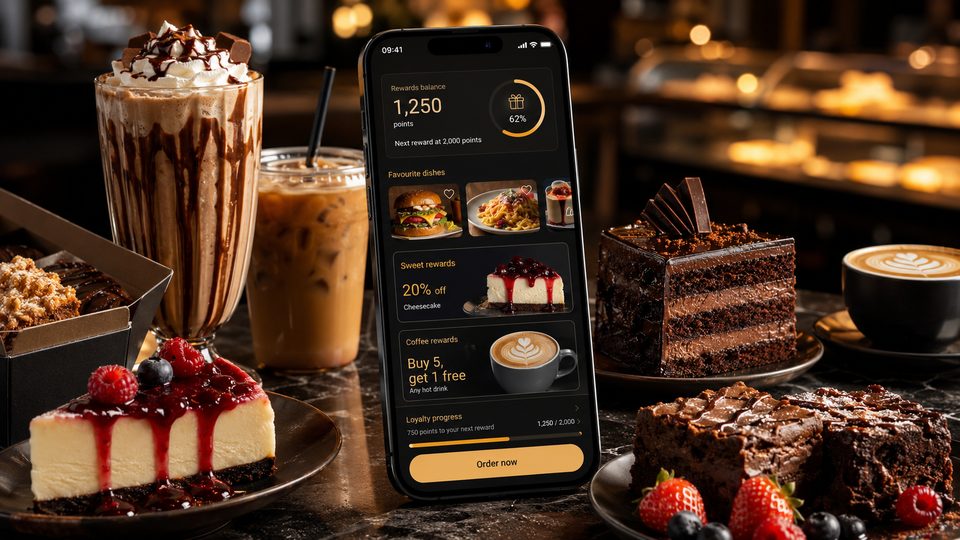 Restaurant Marketing and Customer RetentionLoyalty Programme DesignA useful loyalty programme gives customers a clear benefit while protecting contribution, operational capacity and trust. Complexity should earn …Read guide →
 Restaurant Marketing and Customer RetentionHow to Run a Direct-Ordering Promotion Without Training Customers to Wait for DiscountsA direct-ordering promotion should demonstrate the value of the owned channel, not redefine the normal price as the amount customers pay only bet…Read guide →Restaurant Marketing and Customer RetentionHow to Prevent Discount AbuseDiscount abuse should be managed as a cost and control problem, not as a reason to treat every enthusiastic customer as dishonest. The objective …Read guide →Restaurant Marketing and Customer RetentionHow to Measure Repeat Order RateRepeat-order rate is only meaningful when the customer identity, eligible population and observation period are stated. A percentage without thos…Read guide →Restaurant Marketing and Customer RetentionHow to Build a Customer DatabaseA useful customer database is not a large spreadsheet of every name, address and phone number the takeaway has ever received. It is a controlled …Read guide →
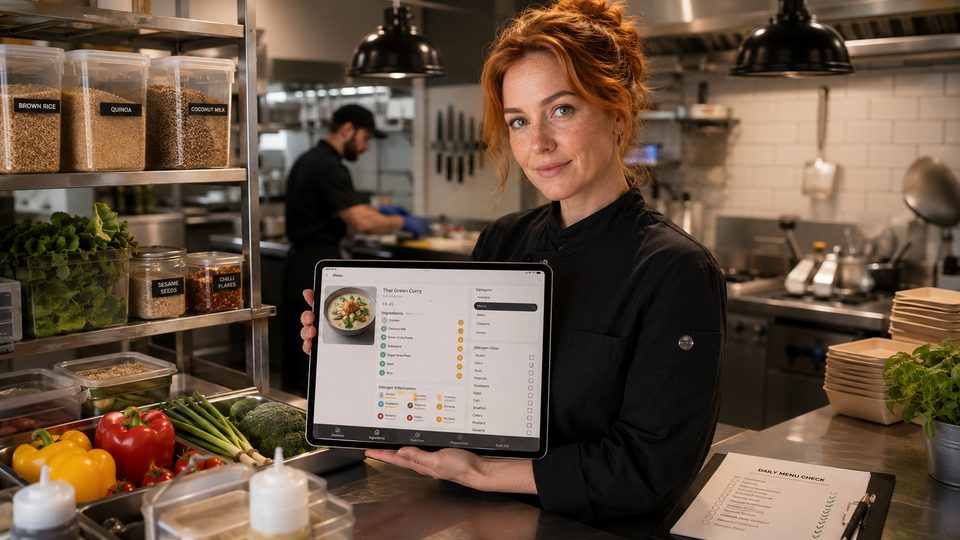 Restaurant Marketing and Customer RetentionEmail Deliverability and ComplianceDeliverability and compliance support each other: wanted, well-governed mail is more likely to reach customers and less likely to produce complai…Read guide →
Connect customer ordering with operations and profit
Use the wider guide library to check the menu, kitchen, fulfilment, payment and financial implications of each decision.
Browse all practical guides