Loyalty Programme Design
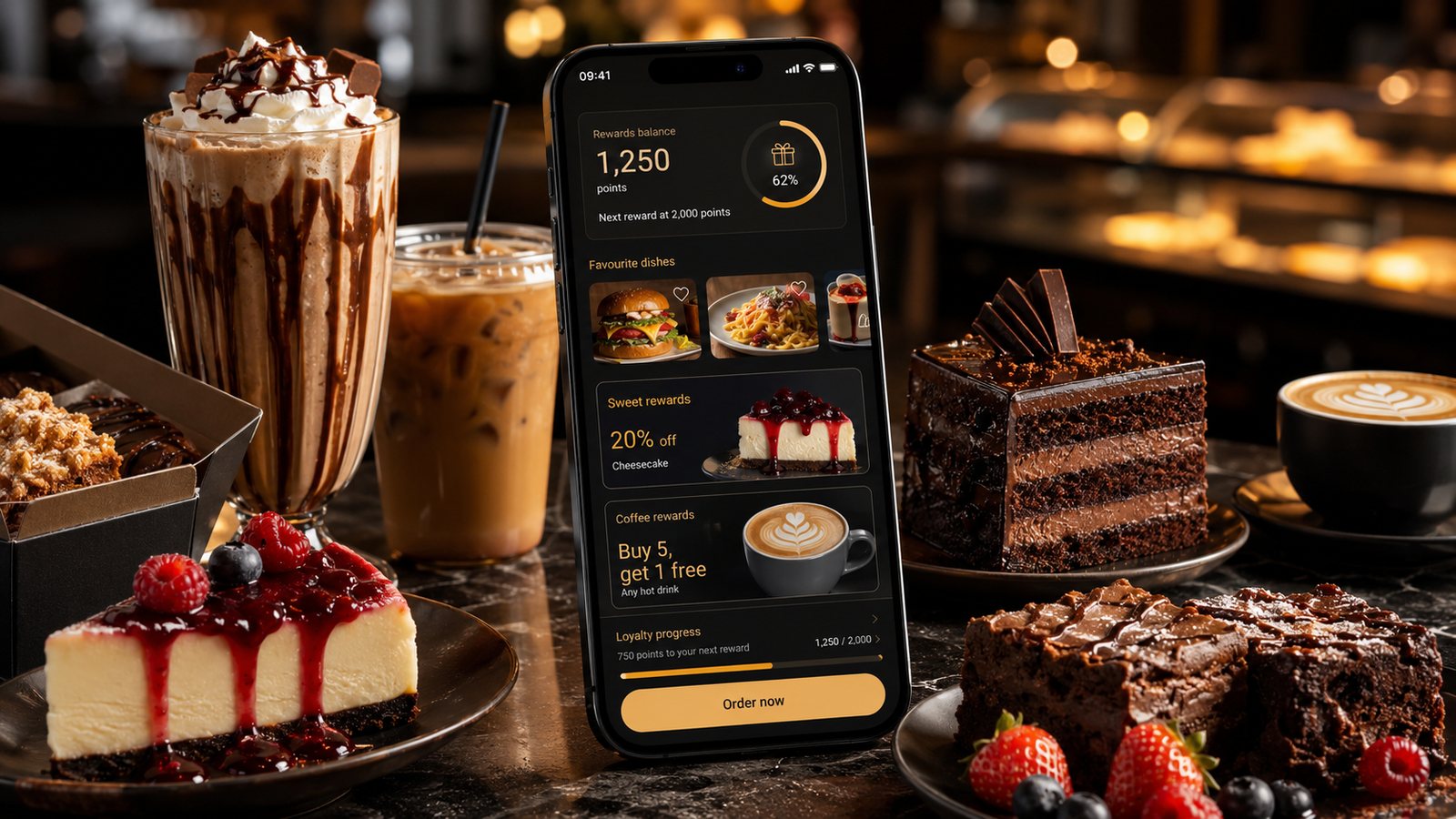
A useful loyalty programme gives customers a clear benefit while protecting contribution, operational capacity and trust. Complexity should earn its place.
A useful loyalty programme gives customers a clear benefit while protecting contribution, operational capacity and trust. Complexity should earn its place.
Write the design brief
State the behaviour to encourage, the customer group, the business constraint and the success measure. “Increase loyalty” is too vague. “Improve the second direct order rate among customers who completed a first website order” can be measured and tested.
Select the mechanic
| Question | Design implication |
|---|---|
| How often do customers normally order? | Frequent patterns may suit stamps; infrequent patterns need a longer horizon |
| How variable are baskets? | Points may reflect value better than a flat stamp |
| Can rewards be fulfilled at peak? | Avoid benefits the operation cannot honour |
| How will refunds work? | Define reversal and partial-adjustment rules |
| Can customers understand the value? | Show earning and redemption plainly |
| Can the business exit? | Plan liability, notice and final redemption |
Model earning and redemption together
Set the earn rate, threshold, reward cost, exclusions, expiry and stacking rules in one model. Test small, typical and large baskets. Include the cost of redemptions, unused liabilities, messaging, fraud and support.
Prevent abuse without punishing normal customers
- Use one stable customer and order identity.
- Prevent duplicate earning from retries or imported orders.
- Limit manual adjustments by role.
- Record refunds, cancellations and account merges.
- Investigate unusual patterns with human review.
- Avoid opaque automated penalties.
Make terms visible
Explain eligibility, expiry, exclusions, redemption and important limits before customers commit. Significant promotional conditions should be prominent rather than hidden in a long policy. Avoid calling something “free” when a material spend or subscription condition is not clear.
Pilot and review
Launch to a limited cohort. Check technical accuracy, support burden, contribution, opt-outs, complaints and operational capacity. Set a review date and a stop or redesign rule before launch.
Practical next step
Build one spreadsheet row for every event that changes the loyalty balance. If the business cannot explain those events, the programme is not ready.
Document liability and accounting treatment
Finance should understand when value is earned, redeemed, expired or reversed. Keep a reconciliation between the loyalty ledger and completed orders. The programme design should not depend on a balance that the business cannot verify independently.
Prepare customer-support scripts
Give staff clear routes for missing points, rejected rewards, expired benefits, refunds and suspected abuse. Support should explain the rule and evidence without exposing security logic or accusing the customer automatically.
Check interaction with promotions
Define whether rewards can be combined with discount codes, free delivery or marketplace offers. Test the order calculation and receipt. Uncontrolled stacking can turn a profitable mechanic into a loss and can confuse customers when staff apply different exceptions.
Run adverse-scenario tests
Test a large refund, an expired reward at checkout, a duplicated order, an unavailable reward item and a location that leaves the programme. The customer journey and financial ledger should remain understandable in every case.
Related guides
- Restaurant Marketing and Customer Retention — the main guide for the wider topic.
- Loyalty and Retention Strategy — the broader guide that frames this implementation.
- How Restaurant Loyalty Apps Work — a closely related operational control to review alongside this page.
- Restaurant Loyalty and Retention Guide — a closely related operational control to review alongside this page.
Sources and date checked
Guidance checked: 24 July 2026. Recheck supplier pricing, platform terms and regulatory guidance before acting.
Operational, legal and platform requirements can change. Recheck official guidance and supplier documentation before altering a live service.
Related practical guides
 Restaurant Marketing and Customer RetentionManaging Online ReviewsManaging online reviews is a shift-level customer-service process, not a task to remember when the average rating falls. The aim is to identify t…Read guide →Restaurant Marketing and Customer RetentionHow to Run a Direct-Ordering Promotion Without Training Customers to Wait for DiscountsA direct-ordering promotion should demonstrate the value of the owned channel, not redefine the normal price as the amount customers pay only bet…Read guide →Restaurant Marketing and Customer RetentionHow to Prevent Discount AbuseDiscount abuse should be managed as a cost and control problem, not as a reason to treat every enthusiastic customer as dishonest. The objective …Read guide →Restaurant Marketing and Customer RetentionHow to Measure Repeat Order RateRepeat-order rate is only meaningful when the customer identity, eligible population and observation period are stated. A percentage without thos…Read guide →
 Restaurant Marketing and Customer RetentionHow to Build a Customer DatabaseA useful customer database is not a large spreadsheet of every name, address and phone number the takeaway has ever received. It is a controlled …Read guide →
 Restaurant Marketing and Customer RetentionEmail Deliverability and ComplianceDeliverability and compliance support each other: wanted, well-governed mail is more likely to reach customers and less likely to produce complai…Read guide →
Connect customer ordering with operations and profit
Use the wider guide library to check the menu, kitchen, fulfilment, payment and financial implications of each decision.
Browse all practical guides