Pricing delivery to cover true costs
A delivery fee should reflect the full fulfilment burden without hiding costs or pretending that every address is equally expensive. Use representative journeys and baskets, then choose the simplest transparent model…
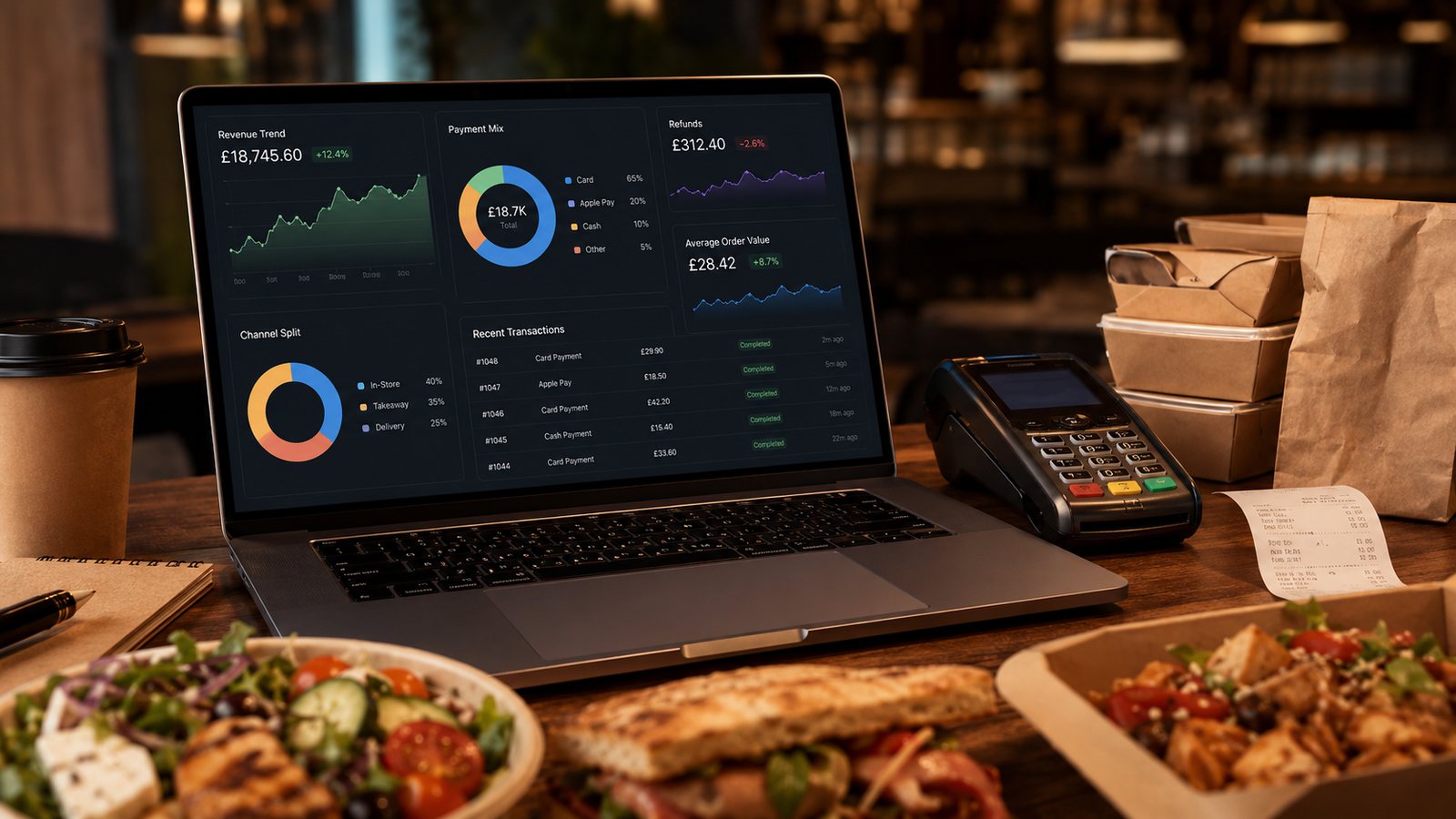
A delivery fee should reflect the full fulfilment burden without hiding costs or pretending that every address is equally expensive. Use representative journeys and baskets, then choose the simplest transparent model that protects contribution.
Measure the delivery burden
- Driver or platform cost
- Employer cost where applicable
- Travel and return time
- Waiting at the kitchen and address
- Packaging and transport equipment
- Insurance, maintenance and administration
- Failed delivery, redelivery and refund allowance
- Peak and weather risk
Calculate by representative order
Build scenarios for near, normal and outer-zone addresses, small and typical baskets, peak and off-peak service. Subtract food, packaging, payment and delivery cost from net sales. Do not use average distance alone; access, parking, density and return journey can matter more.
Choose a pricing model
| Model | Strength | Control needed |
|---|---|---|
| Flat fee | Simple for customers | Zone must not contain extreme cost variation |
| Zone fee | Reflects broad journey burden | Clear boundaries and address testing |
| Distance-based | More granular | Reliable map data and fair rounding |
| Minimum order | Protects fixed cost | Contribution testing and customer clarity |
| Free-delivery threshold | Can support basket growth | Funded contribution and abuse controls |
Show charges clearly
Customers should understand the delivery charge, minimum and unavoidable fees before committing. Do not reveal a compulsory fee only after items are selected. If the exact amount depends on address, explain the calculation and show it promptly after address entry.
Review operational alternatives
Price is not the only control. Reduce zones, change slots, improve density, adjust the menu or use third-party capacity where appropriate. A high fee cannot make an unsafe or consistently late route viable.
Practical next step
Take 30 recent deliveries and calculate full cost by journey group. Compare a flat fee, three-zone model and minimum-order model, then select the simplest option that remains viable under a conservative scenario.
Include capacity and density effects
The cost of a delivery is not independent of the rest of the shift. Two compatible orders may share part of a route, while one distant order can remove a driver from the system during the busiest period. Build a density view by zone and time, and test whether the fee still works when orders are sparse.
Control boundary and address errors
Test full postcodes, new developments, flats, gated sites and addresses close to a zone boundary. Define how staff handle a customer who is quoted the wrong price or whose address cannot be validated. Manual overrides should be logged and reviewed, not used as a permanent workaround.
Review after cost changes
Recalculate after wage, insurance, fuel, platform, packaging or failure-rate changes. Keep a decision record showing the model version and effective date. Do not copy competitor fees without knowing their driver model, menu margin or delivery coverage.
Check customer and staff handling
Provide a short explanation for support staff and a consistent route for quoted-price errors. Drivers should not negotiate charges at the door. Review whether changes create more cash handling, cancellations or unsafe pressure to complete marginal routes.
Related guides
- Business Planning and Finance — the main guide for the wider topic.
- Pricing and Margin Management — the broader guide that frames this implementation.
- Dynamic pricing for peak periods — a closely related operational control to review alongside this page.
- Service charge models — a closely related operational control to review alongside this page.
Sources and date checked
Guidance checked: 24 July 2026. Recheck official guidance, local requirements and supplier documentation before changing a live operation.
Operational, legal and platform requirements can change. Recheck official guidance and supplier documentation before altering a live service.
Related practical guides
 Business Planning and FinanceTotal Cost of Running Online OrderingThe total cost of online ordering includes software, payment, fulfilment, staff time, failures and supplier exit. A low headline monthly fee can …Read guide →Business Planning and FinanceService charge modelsA service charge can recover a genuine operating cost, but it must be described accurately, displayed transparently and kept separate from option…Read guide →Business Planning and FinancePrioritising investments by impactThe best digital investment is usually the smallest reversible change that resolves a material constraint. Prioritisation should compare measurab…Read guide →Business Planning and FinancePhased rollout strategiesA phased rollout reduces operational risk by limiting the number of customers, locations, channels or functions exposed at one time. It only work…Read guide →
 Business Planning and FinanceFood Labelling for Online OrdersOnline food information depends on what is being sold: prepacked food, prepacked for direct sale, or non-prepacked takeaway food. The safest proc…Read guide →Business Planning and FinanceEmployment Law for Delivery DriversA contract that calls a driver “self-employed” does not settle their legal status. A takeaway should assess the real working arrangement, separat…Read guide →
Connect customer ordering with operations and profit
Use the wider guide library to check the menu, kitchen, fulfilment, payment and financial implications of each decision.
Browse all practical guides