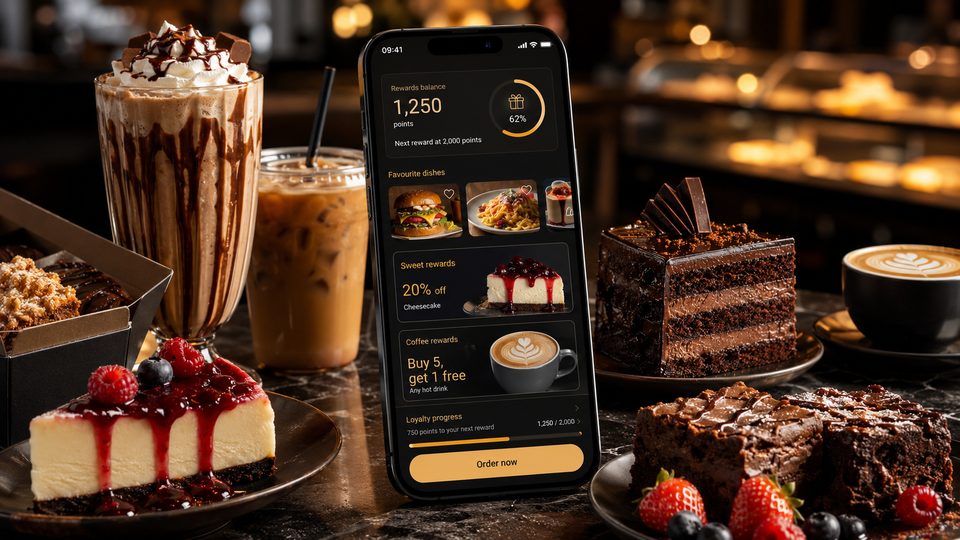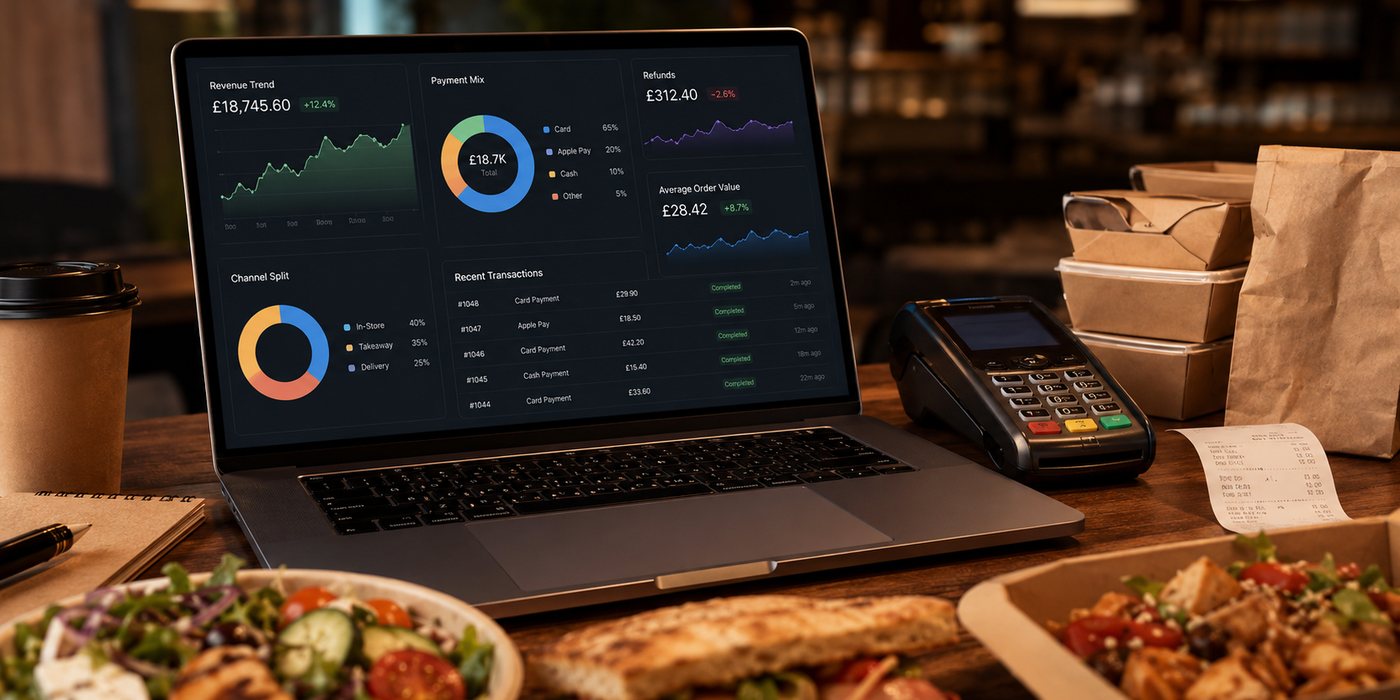
Promotional codes can support a defined business objective, but a permanent stream of broad discounts erodes contribution, creates support disputes and teaches customers to wait. The promotion should therefore be designed as a controlled operational change with a budget, eligibility rule, capacity check and post-campaign decision.
Choose the objective before the mechanic
| Objective | Possible mechanic | Evidence required |
|---|---|---|
| Acquire a suitable local customer | First-order fixed value or product reward | Full acquisition cost and second-order behaviour |
| Fill a quiet period | Time-specific offer | Incremental orders without shifting full-price demand |
| Increase basket contribution | Threshold reward or bundle | Item contribution and operational workload |
| Win back lapsed customers | Targeted, limited offer | Valid audience, reactivation and later full-price behaviour |
| Move demand to direct ordering | Owned-channel benefit | Contract compliance, direct journey quality and capacity |
Model maximum liability
Calculate the cost if every eligible customer redeems: discount or free-item cost, delivery subsidy, payment fee effect, support, fraud, packaging and operational overload. Add a usage cap where the platform supports it and define what happens when the cap is reached.
Write significant conditions upfront
- Start and closing date or valid period
- Eligible channel, location and customer group
- Minimum spend and excluded products
- Delivery or collection restrictions
- Maximum uses per order and customer
- Whether it combines with loyalty, bundles or other codes
- Availability and what happens if the reward item is unavailable
Do not hide conditions behind checkout errors or a separate page that customers are unlikely to read. The code application screen should explain why an offer failed.
Protect the kitchen and delivery operation
Check whether the promotion changes item mix, preparation time, delivery density or peak demand. A free high-workload item can be more damaging than a modest fixed discount. Configure capacity and sold-out controls before sending the campaign.
Do not confuse redemption with success
Measure completed orders, contribution, refunds, complaints, fraud and subsequent behaviour. Compare with a suitable baseline or control. If regular customers merely used a code they would have ordered without, the campaign subsidised existing demand.
Promotion governance
- Named owner and approver
- Written objective and audience
- Budget and maximum exposure
- Test orders covering edge cases
- Working pause switch
- Customer-service briefing
- Post-campaign review and decision to repeat, change or retire
Practical next step: put one planned code through ten test baskets, including excluded items, existing discounts, delivery fees, refund and cancellation. Do not launch until the displayed total and staff explanation agree.
Handle refunds and cancellations consistently
Define whether a partial refund reduces the discount, whether a free item is refundable and how loyalty points are corrected. The customer should not receive a confusing negative balance because the platform applied the promotion in a different calculation order from the refund system.
Reconcile campaign cost to completed orders and provider statements. Codes used on cancelled, fraudulent or test orders should not inflate redemption reporting.
Related guides
- Restaurant Marketing and Customer Retention — the main guide for the wider topic.
- Designing Effective Promotional Codes — a detailed next step for putting this guidance into practice.
- How to Prevent Discount Abuse — a detailed next step for putting this guidance into practice.
- Measuring Marketing Performance — a closely related operational control to review alongside this page.
- Push Notifications and App Engagement — a closely related operational control to review alongside this page.
- Pricing and Margin Management — a connected decision that can change the recommended approach.
Sources and date checked
Guidance checked: 24 July 2026. Recheck official guidance and supplier rules before launch.