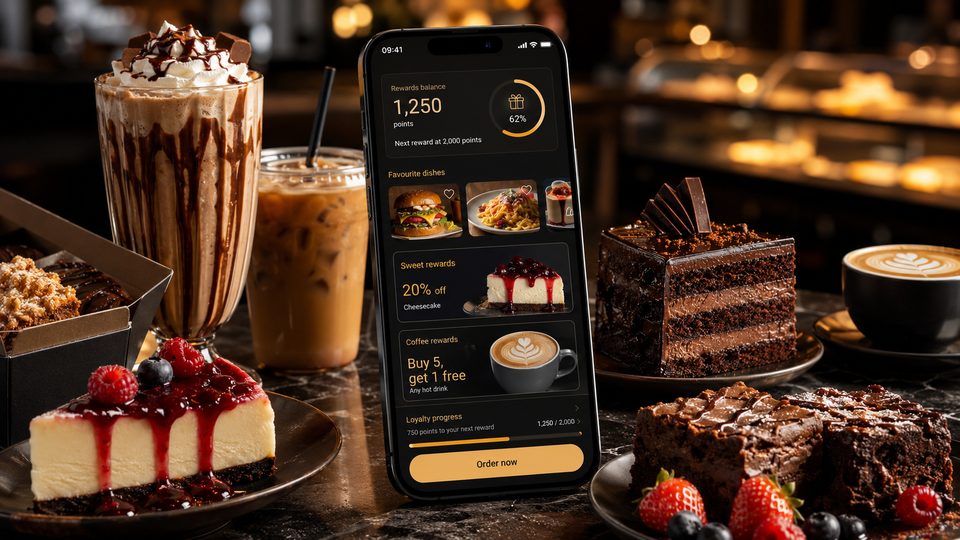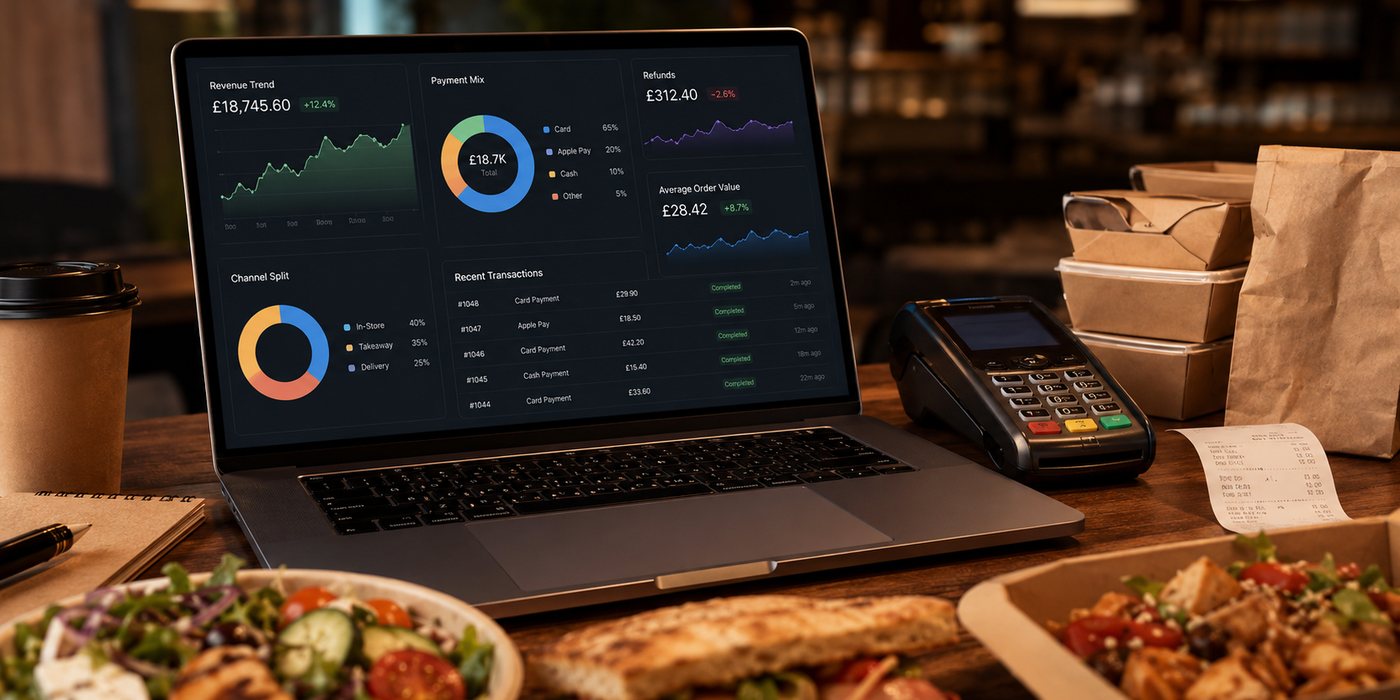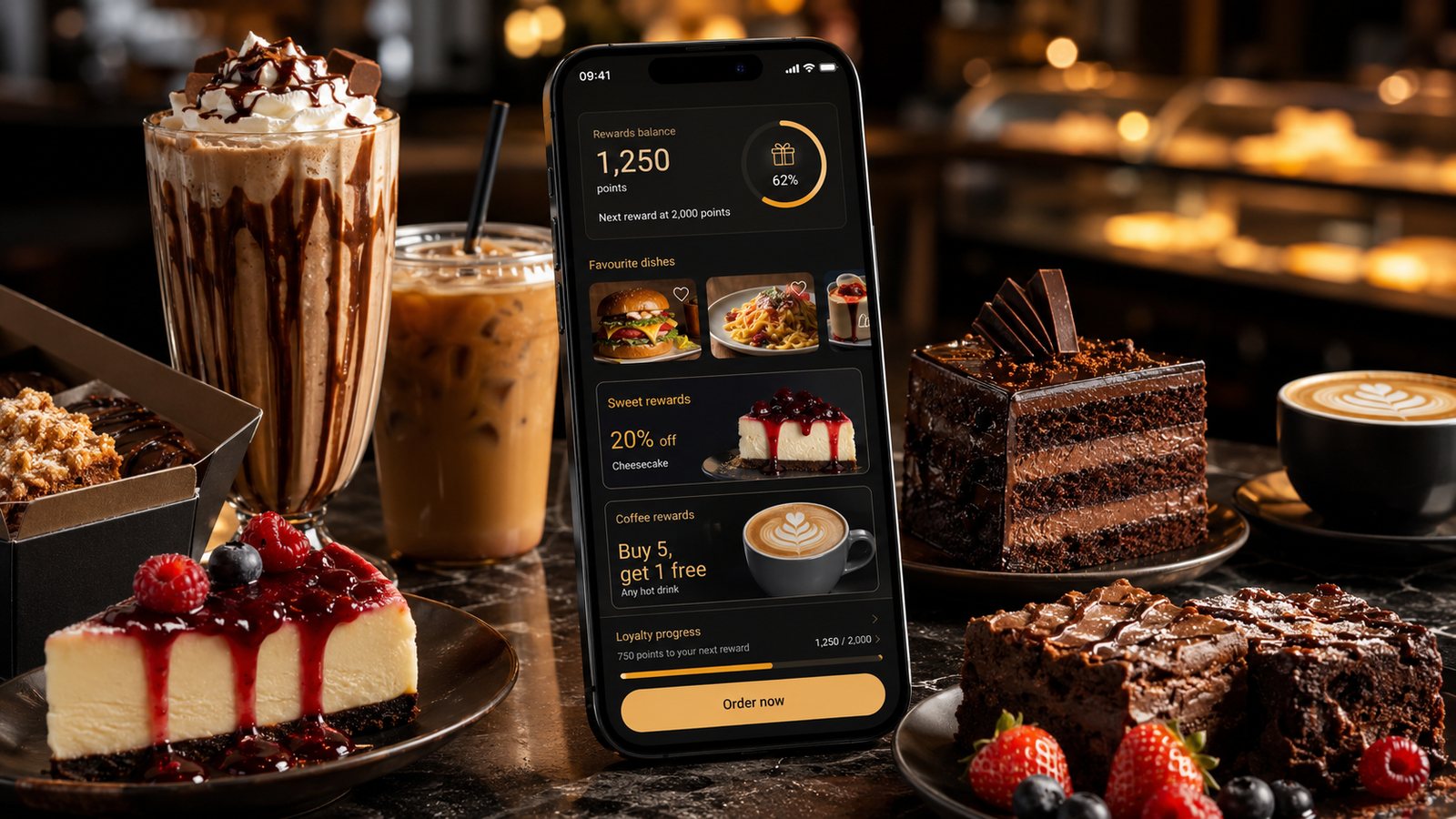
Push is a direct-marketing channel with unusual immediacy. It can support repeat ordering, but only when permission, targeting, frequency and operational capacity are governed together.
Separate service and marketing push
| Message | Purpose | Control |
|---|---|---|
| Order accepted or ready | Fulfilment service message | Accurate operational event and minimal content |
| Payment or refund update | Transaction support | Secure, non-promotional wording |
| Friday offer | Direct marketing | Valid permission, opt-out route and campaign approval |
| New menu announcement | Direct marketing | Availability and audience relevance |
| Come back reminder | Direct marketing and profiling | Clear segment logic, frequency and suppression |
Treat device permission as only one gate
Operating-system permission does not by itself answer every data-protection or direct-marketing question. Record the business purpose, customer preference, app account and campaign rules. Do not add promotional content to an operational alert to avoid marketing controls.
Build a campaign approval gate
- The audience is defined and lawfully available.
- The offer, menu and delivery coverage are available.
- The kitchen and driver capacity can absorb the response.
- Frequency is checked across push, email and SMS.
- Deep links lead to the correct live page.
- Opt-out and preference changes are working.
- A stop rule is agreed before sending.
Use segments cautiously
Start with observable ordering behaviour such as channel, location and recent successful orders. Avoid inferring health, religion or other sensitive characteristics from menu choices for marketing. Explain relevant profiling in the privacy information and allow people to object to direct marketing.
Measure more than opens
Notification opens are not the business result. Measure successful orders, contribution after incentive, support contacts, opt-outs, complaints and operational impact. Use holdout groups where proportionate to estimate incrementality.
Keep an engagement policy
Define maximum frequency, quiet periods, campaign ownership, emergency pause and re-engagement rules. Customers who opt out should remain suppressed from marketing push even if a token is later refreshed or the app is reinstalled, unless they make a new valid choice.
Practical next step
Audit the last ten planned push messages and classify each as service or marketing. Remove mixed-purpose wording before building a new campaign calendar.
Govern technical delivery
Record token lifecycle, app version, platform, send status and deep-link result without keeping unnecessary device data. Test reinstall, logout, account deletion and preference changes. A refreshed token must not silently restore marketing after an opt-out.
Review automation regularly
Automated pushes can continue long after the original owner leaves or the business model changes. Maintain an automation register with trigger, audience, frequency, content owner, last test and expiry date. Disable any rule that cannot be explained and verified.
Protect support and incident response
Give support staff the campaign ID, offer conditions and known failure routes. If a message reaches the wrong audience or links to an unavailable item, stop scheduled follow-ups and preserve the audience query and send log. Correct the underlying control before sending an apology that contains another promotion.
Related guides
- Restaurant Marketing and Customer Retention — the main guide for the wider topic.
- How Push Notifications Increase Repeat Orders — a detailed next step for putting this guidance into practice.
- Notification Fatigue and Opt-Out Management — a detailed next step for putting this guidance into practice.
- Promotional Codes and Discounts — a closely related operational control to review alongside this page.
- Reviews and Reputation — a closely related operational control to review alongside this page.
Sources and date checked
Guidance checked: 24 July 2026. Recheck supplier pricing, platform terms and regulatory guidance before acting.