How Push Notifications Increase Repeat Orders
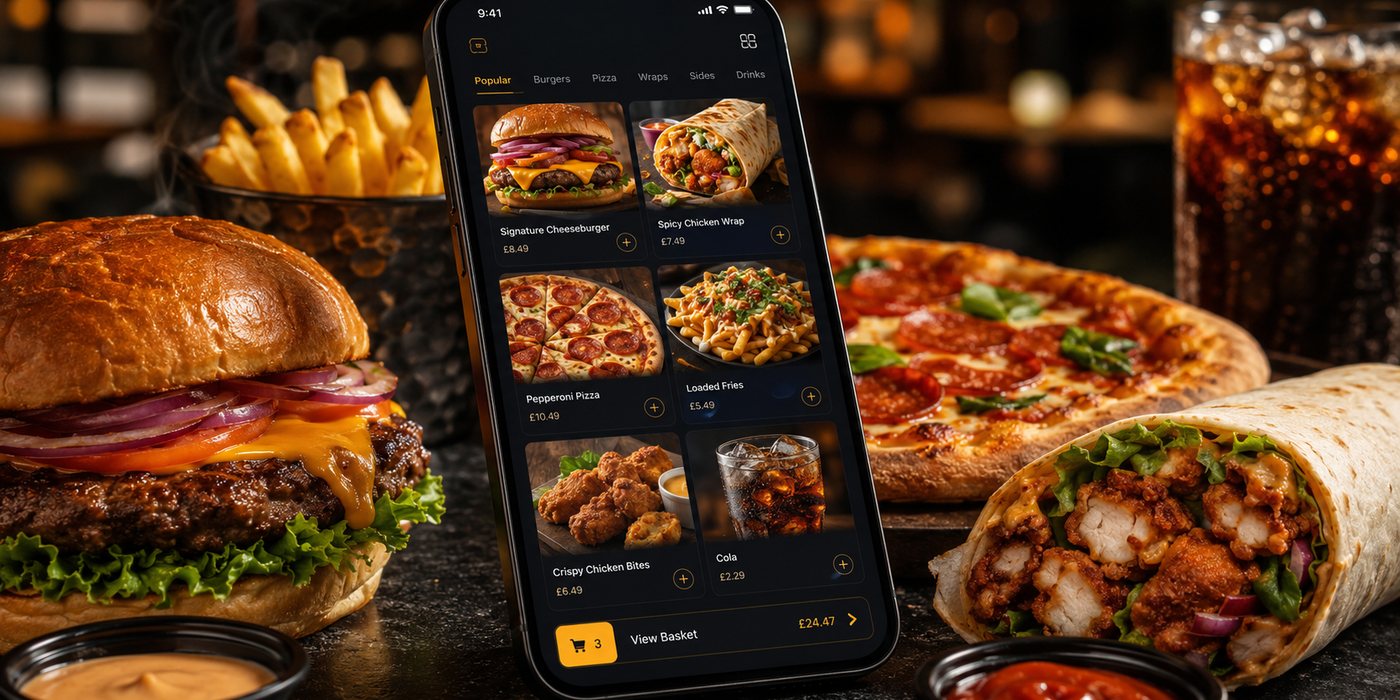
Push does not create loyalty on its own. It can make a relevant return journey easier when the customer already has a reason to order and the operation can fulfil the promise.
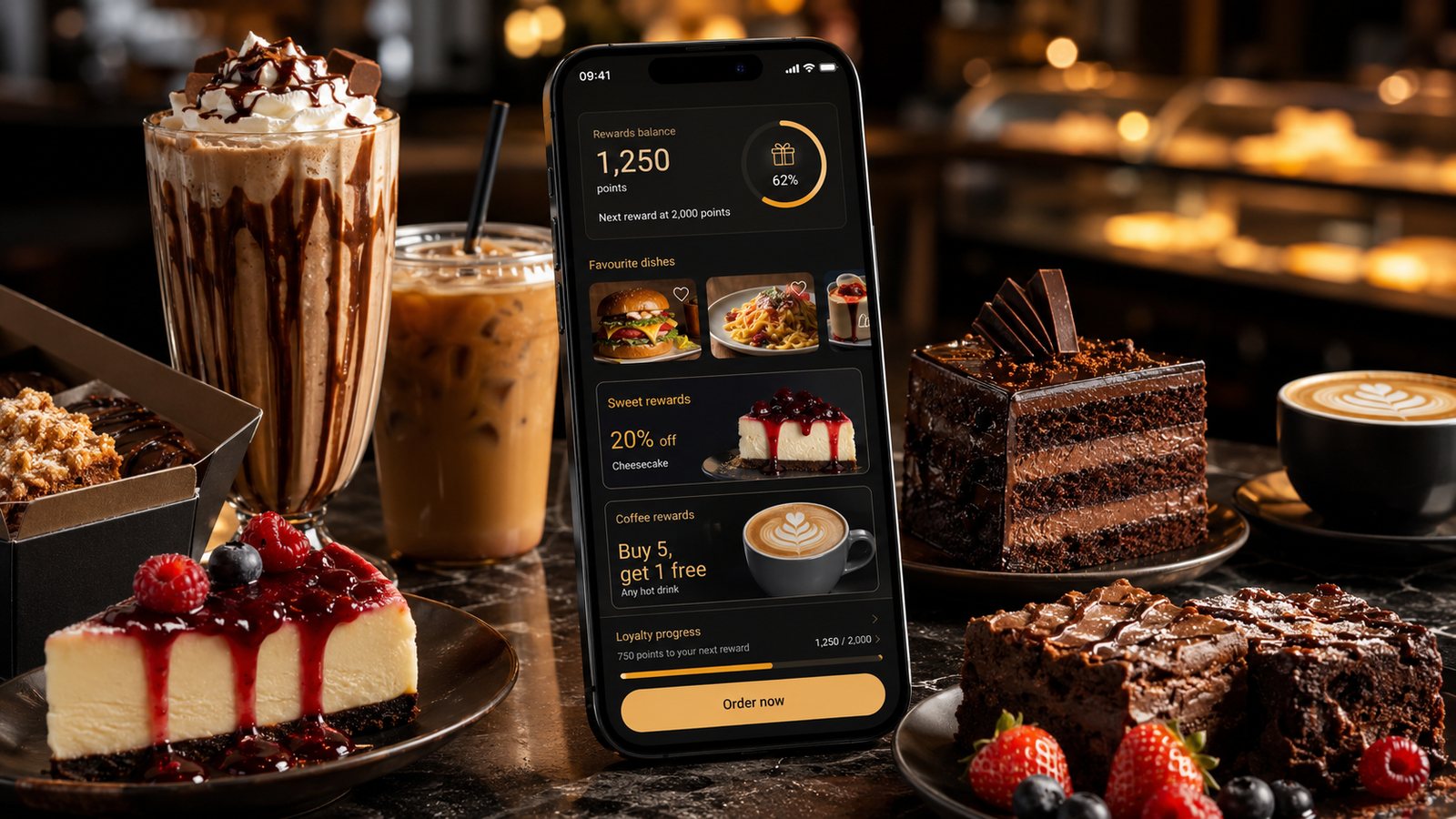
Push does not create loyalty on its own. It can make a relevant return journey easier when the customer already has a reason to order and the operation can fulfil the promise.
Define the repeat-order hypothesis
State which customers, which problem and which behaviour the notification should influence. For example, a message may remind recent app customers about a collection-only menu at a time when the kitchen has spare capacity. “Send an offer to everyone” is not a testable hypothesis.
Choose a proportionate segment
| Segment | Possible purpose | Risk to control |
|---|---|---|
| Completed first app order | Help with the second-order journey | Sending too soon after the first order |
| Regular collection customers | Promote a relevant collection benefit | Over-discounting existing behaviour |
| Lapsed app customers | Test whether the app still provides value | Repeated pressure after no response |
| Customers near one location | Communicate local availability | Location accuracy and unnecessary tracking |
| Loyalty members near reward | Explain earned progress | Confusing service information with promotion |
Control timing and capacity
Use actual order patterns as one input, not a reason for constant messages. Avoid sending into a red-capacity period or when promoted items are unavailable. A campaign that causes delay, refund or cold food weakens future retention.
Design a complete route
- Notification clearly states the useful reason to open.
- Deep link opens the correct menu, location or reward.
- Availability, price and important conditions match the message.
- Checkout remains fast and capacity aware.
- Order confirmation and support work.
- The campaign can be paused immediately.
Measure incremental repeat behaviour
Track the cohort from delivered message to successful order and later repeat behaviour. Compare with a holdout or similar baseline. Deduct incentive, messaging, payment, delivery and support costs. A high open rate with weak contribution is not success.
Know when to stop
Stop or reduce the programme when opt-outs, complaints, failed deep links, unprofitable orders or operational problems rise. Do not keep contacting inactive users merely because they have not explicitly disabled device permission.
Use a controlled experiment
Randomly hold back a proportion of an eligible cohort where proportionate and compare successful orders and contribution. Keep the same availability and period. This is more reliable than attributing every order after a notification to the notification.
Check long-term behaviour
A short promotion may create one discounted order but reduce later full-value ordering or increase opt-outs. Review the cohort again after the immediate campaign window and include support or delivery problems caused by the demand spike.
Keep attribution conservative
Use an attribution window that matches the message and avoid claiming every later app order. Separate customers who tapped the message, those who were exposed but did not tap and a comparison group. Record assumptions so reports do not present an estimate as a confirmed causal result.
Protect the non-notified customer journey
Customers who ignore or disable push should still be able to order, view loyalty and receive necessary service updates through appropriate routes. Push must remain an optional convenience, not a hidden condition of using the app.
Related guides
- Restaurant Marketing and Customer Retention — the main guide for the wider topic.
- Push Notifications and App Engagement — the broader guide that frames this implementation.
- Push Notification Content Strategy — a closely related operational control to review alongside this page.
- Notification Fatigue and Opt-Out Management — a closely related operational control to review alongside this page.
Sources and date checked
Guidance checked: 24 July 2026. Recheck supplier pricing, platform terms and regulatory guidance before acting.
Operational, legal and platform requirements can change. Recheck official guidance and supplier documentation before altering a live service.
Related practical guides
 Restaurant Marketing and Customer RetentionDealing with Fake or Unfair ReviewsA review can be inaccurate, abusive or unrelated to a genuine order without being easy to remove. The correct response is to preserve evidence, u…Read guide →Restaurant Marketing and Customer RetentionCustomer Segmentation for TakeawaysCustomer segmentation is useful when it changes a real decision: which message to send, which service problem to fix or which offer to test. It b…Read guide →Restaurant Marketing and Customer RetentionConverting Marketplace Customers to DirectThe phrase “converting marketplace customers” can encourage the wrong approach. A takeaway should not treat marketplace order details as a market…Read guide →Restaurant Marketing and Customer RetentionBuilding an Email List from OrdersAn order can create a customer relationship, but it does not automatically create unlimited permission to send marketing emails. List growth must…Read guide →
 Restaurant Marketing and Customer RetentionRestaurant SMS Marketing RulesThe safest SMS programme is built around evidence, clear identity and rapid respect for customer preference. A phone number collected for deliver…Read guide →Restaurant Marketing and Customer RetentionDesigning Effective Promotional CodesAn effective promotional code is technically enforceable, financially bounded and understandable to the customer and staff. The name of the code …Read guide →
Connect customer ordering with operations and profit
Use the wider guide library to check the menu, kitchen, fulfilment, payment and financial implications of each decision.
Browse all practical guides