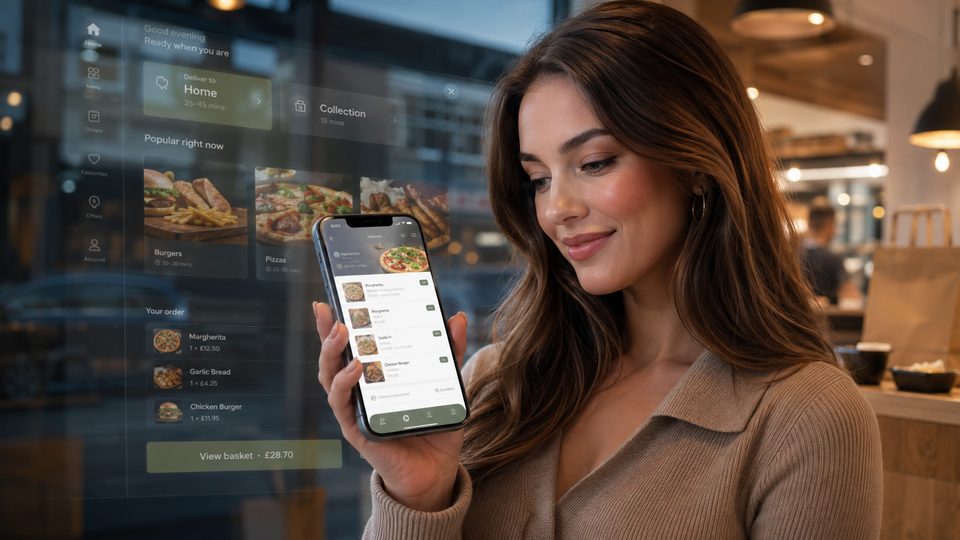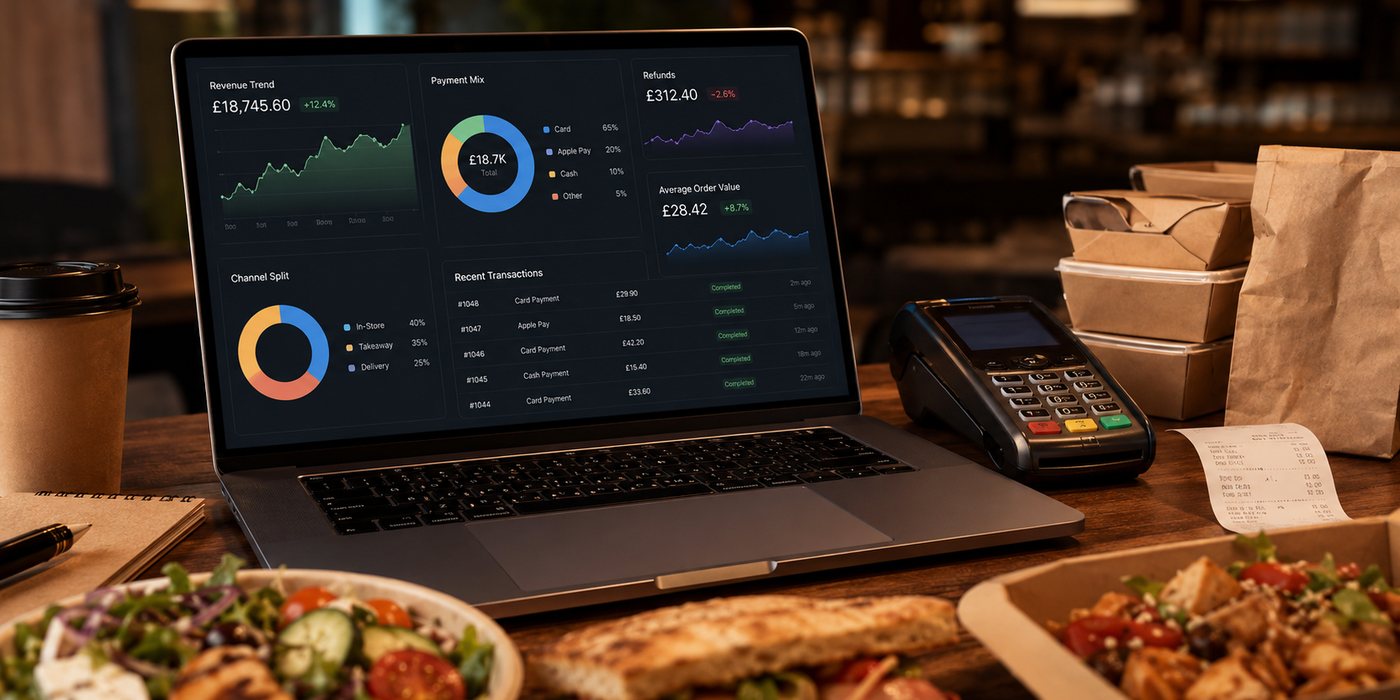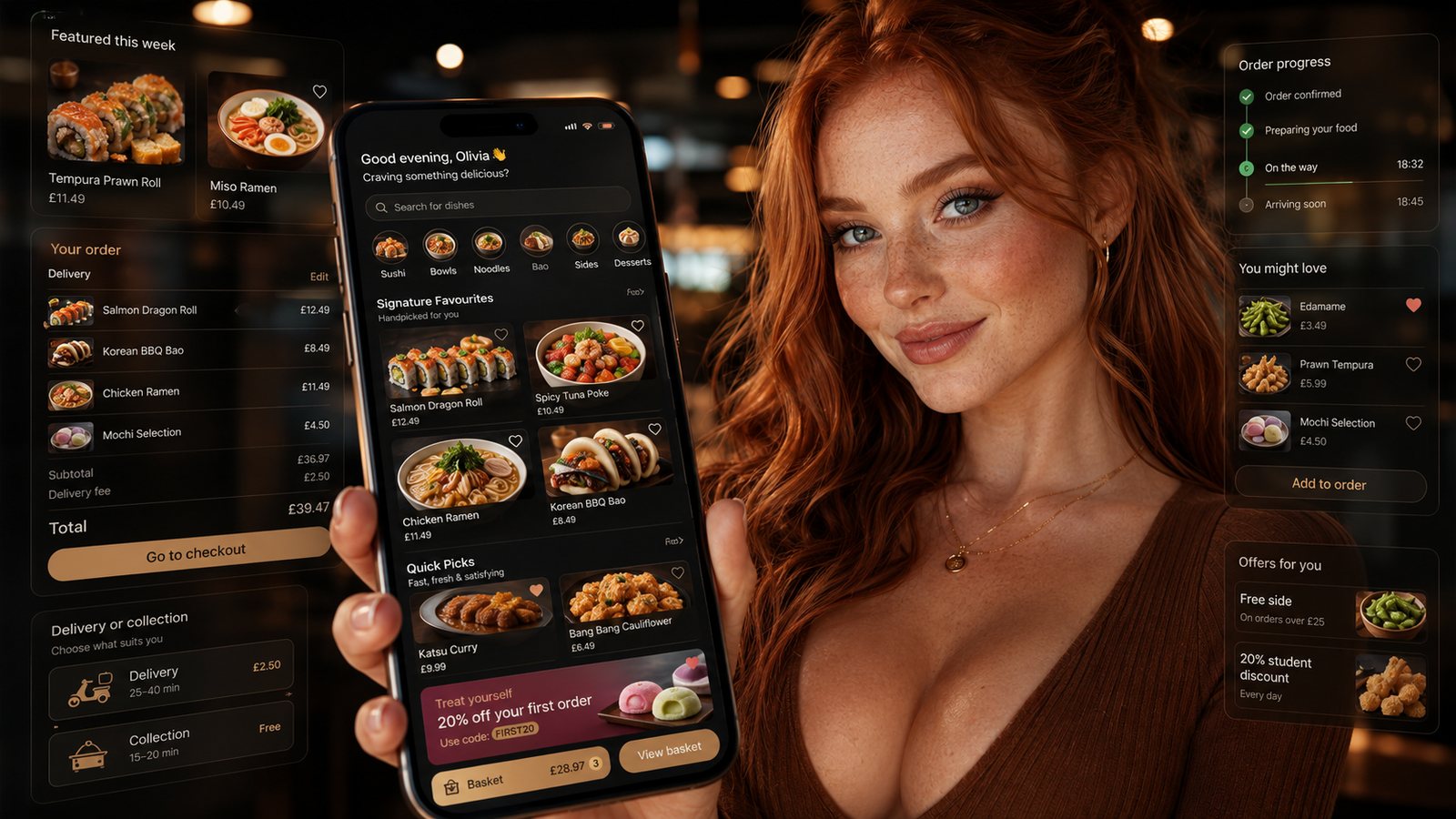
Compare an app with the real alternatives: a strong mobile website, a progressive web app, a marketplace presence or a mixed model. The right answer depends on customer behaviour and operational capability, not the label “app”.
Define the decision before comparing products
The question may be how to reduce repeat-order friction, support loyalty, improve direct ordering or replace an unreliable existing product. These are different decisions. Write the target outcome and the evidence that would show success before requesting supplier quotations.
Use a like-for-like comparison
| Criterion | Questions to ask |
|---|---|
| Customer access | Is installation required? How does the user return? |
| Discovery | Does the channel create demand or mainly serve existing customers? |
| Order capability | Are menu, modifiers, slots, payments and tracking genuinely supported? |
| Operations | How do orders, availability, refunds and failures reach staff? |
| Ownership | Who controls accounts, data, domains, listings and exports? |
| Lifecycle cost | What are setup, monthly, transaction, marketing, update and exit costs? |
Do not double-count “ownership”
A restaurant-branded app does not automatically mean the restaurant owns the developer account, customer relationship, analytics or source code. Verify every asset separately. Likewise, a marketplace may remain valuable for discovery even when it offers less control.
Compare maintenance, not only launch
Native apps require store releases and ongoing compatibility work. A web product also needs security, performance and browser testing. White-label products can reduce technical work but may restrict timing and customisation. Compare the operating model the business can sustain.
Run a controlled comparison
- Define the customer segment and job.
- Shortlist no more than three viable approaches.
- Test the same menu, order and failure scenarios.
- Estimate three-year cost using documented assumptions.
- Check account, data and exit ownership.
- Pilot the leading approach before broad promotion.
Avoid two false choices
An app and a marketplace are not always substitutes: one may serve repeat direct customers while the other provides discovery. An app and a website are also not automatically separate products: the website may already solve the need. Keep a mixed model only when each channel has a defined role.
Compare total operating effort
Include menu administration, customer support, store releases, policy monitoring, analytics, notification campaigns, loyalty reconciliation and supplier management. A low monthly software fee can still produce a high internal burden. Conversely, a capable website may deliver most of the value without app-store operations.
Use representative scenarios
- A new customer ordering once.
- A repeat customer reordering a favourite.
- A complex modifier and allergen-information journey.
- A sold-out item during a peak period.
- A payment with an unknown outcome.
- A refund and account-deletion request.
- A supplier outage or migration.
Score the complete scenario, not a polished demonstration of the home screen.
Include exit and coexistence
The decision may not be permanent. A business can run a website and marketplace while testing a PWA, or retain a website as fallback after launching a native app. Confirm how links, loyalty balances, accounts and customer communication behave when two channels coexist or one is retired.
Document the decision
Record the options, assumptions, evidence, risks, expected benefit, owner and review date. Revisit the decision when repeat demand, supplier terms, platform capability or operating complexity changes.
Related guides
- Restaurant Apps — the main guide for the wider topic.
- When to Rebuild or Replace Your Restaurant App — a detailed next step for putting this guidance into practice.
- White-Label vs Custom Apps — a closely related operational control to review alongside this page.
- App Features and Functionality — a closely related operational control to review alongside this page.
Sources and recheck points
Guidance checked: 24 July 2026. Recheck current store, browser and supplier requirements before implementation.