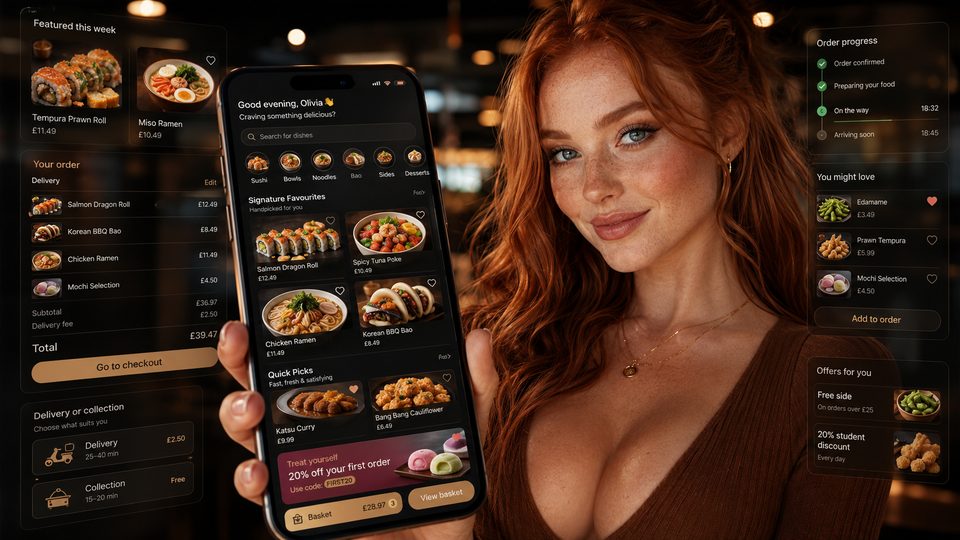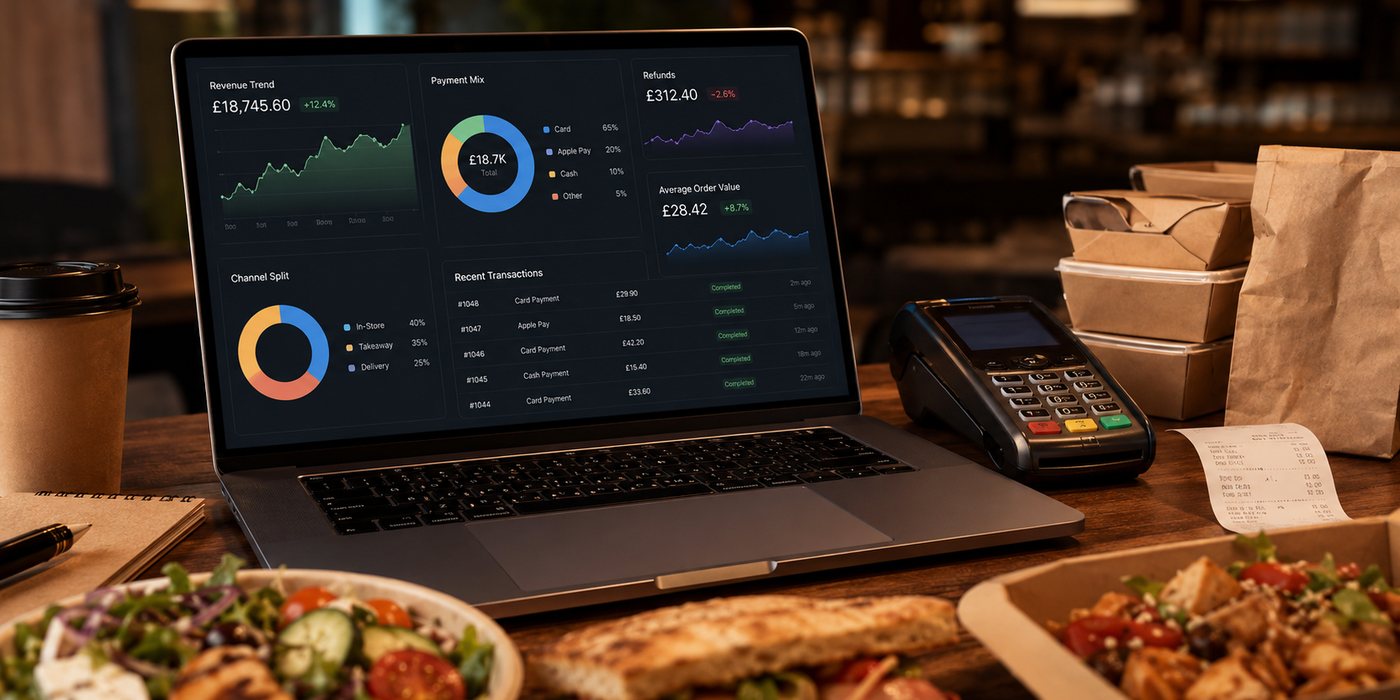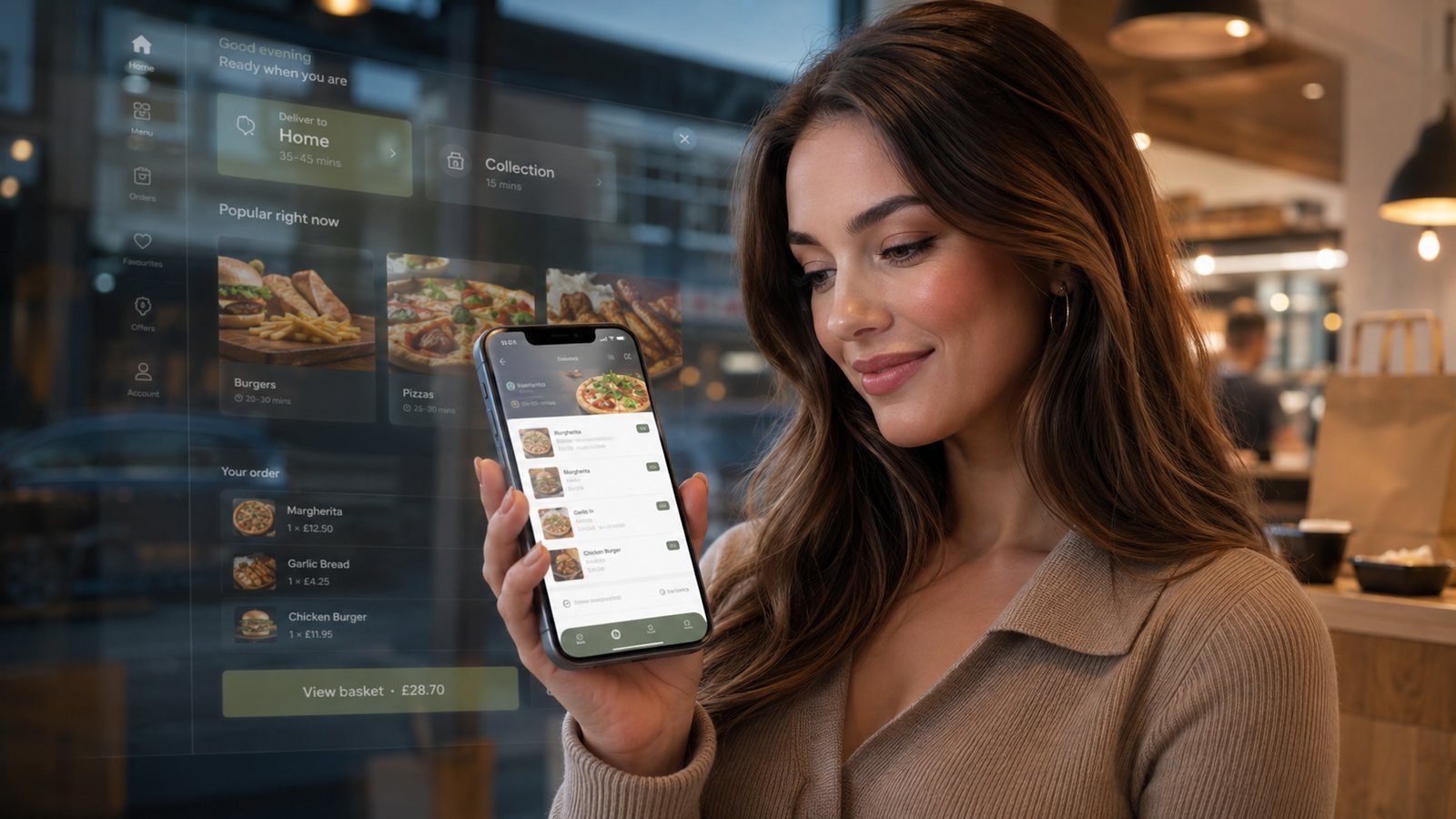
Compare white-label, custom and web-based approaches through ownership, operational fit, lifecycle cost and exit—not through the amount of visible branding alone.
Understand what “white-label” covers
A white-label supplier provides a shared product configured for the restaurant’s brand. The model can reduce delivery time and technical burden, but restaurants must verify which parts are truly theirs: store account, listing, data, integrations, domain, analytics and export.
Understand what “custom” commits the business to
A custom app may support a genuinely distinctive operating model or customer proposition. It also creates requirements for product decisions, testing, security, platform changes, supplier management and ongoing maintenance. Paying for development does not automatically create complete ownership.
Compare the full lifecycle
| Area | White-label questions | Custom questions |
|---|---|---|
| Fit | Can the shared workflow support the menu and fulfilment model? | Is the custom requirement important enough to maintain? |
| Speed | What is configuration versus new development? | What is the staged delivery plan? |
| Cost | Setup, monthly, transaction, marketing and exit? | Discovery, build, hosting, support, updates and replacement? |
| Ownership | Who owns accounts, data and listing? | Who owns code, designs, infrastructure and credentials? |
| Change | How quickly are requests released across the platform? | Who prioritises, tests and approves changes? |
| Exit | Can customers, data and listing migrate? | Can another team operate the product? |
Include PWA and website alternatives
A progressive web app or high-quality mobile website may provide a repeat ordering experience without two native-store releases. Do not narrow the decision to two supplier labels when a simpler product meets the requirement.
Demand evidence
- Live demonstration using the restaurant’s difficult menu cases.
- Reference customers with a similar operating model.
- Written integration and support responsibility.
- Export sample and exit process.
- Security and data-processing information.
- Controlled pilot with success and stop criteria.
Make the decision reversible
Avoid printed QR codes, customer communications and contracts that make migration unnecessarily difficult. Keep the business’s accounts and customer-facing destinations under business control where possible.
Compare control at field level
“You own your data” is too vague for a supplier decision. Confirm whether the restaurant can export customer records with permission evidence, orders, loyalty balances, refunds, analytics events and menu identifiers in a usable format. Ask who owns the Apple and Google listings, signing credentials, domains, notification services and integration accounts.
Inspect the white-label operating model
- How frequently are platform-wide updates released?
- Can one tenant’s change affect other restaurants?
- Which features are configurable and which require product development?
- What happens when a required integration changes?
- Can the restaurant test updates before live release?
- How are incidents and security issues communicated?
Inspect the custom delivery model
Custom development needs a product owner, documented acceptance criteria, security maintenance, platform-policy monitoring, release management and long-term supplier capacity. A source-code handover is not useful if the business lacks build instructions, credentials, infrastructure documentation and a team able to maintain it.
Use a decision scorecard
Weight time to launch, operational fit, integration evidence, lifecycle cost, change speed, account ownership, export quality, support and exit. Require a realistic demonstration using the restaurant’s menu and failure cases. Do not let visual branding outweigh order reliability.
Related guides
- Restaurant Apps — the main guide for the wider topic.
- Custom-Built Restaurant Apps — a detailed next step for putting this guidance into practice.
- Progressive Web Apps for Takeaways — a detailed next step for putting this guidance into practice.
- Takeaway App Cost and Budgeting — a closely related operational control to review alongside this page.
- App Comparisons and Alternatives — a closely related operational control to review alongside this page.
Sources and recheck points
Guidance checked: 24 July 2026. Recheck current store policies and supplier terms before procurement or release.