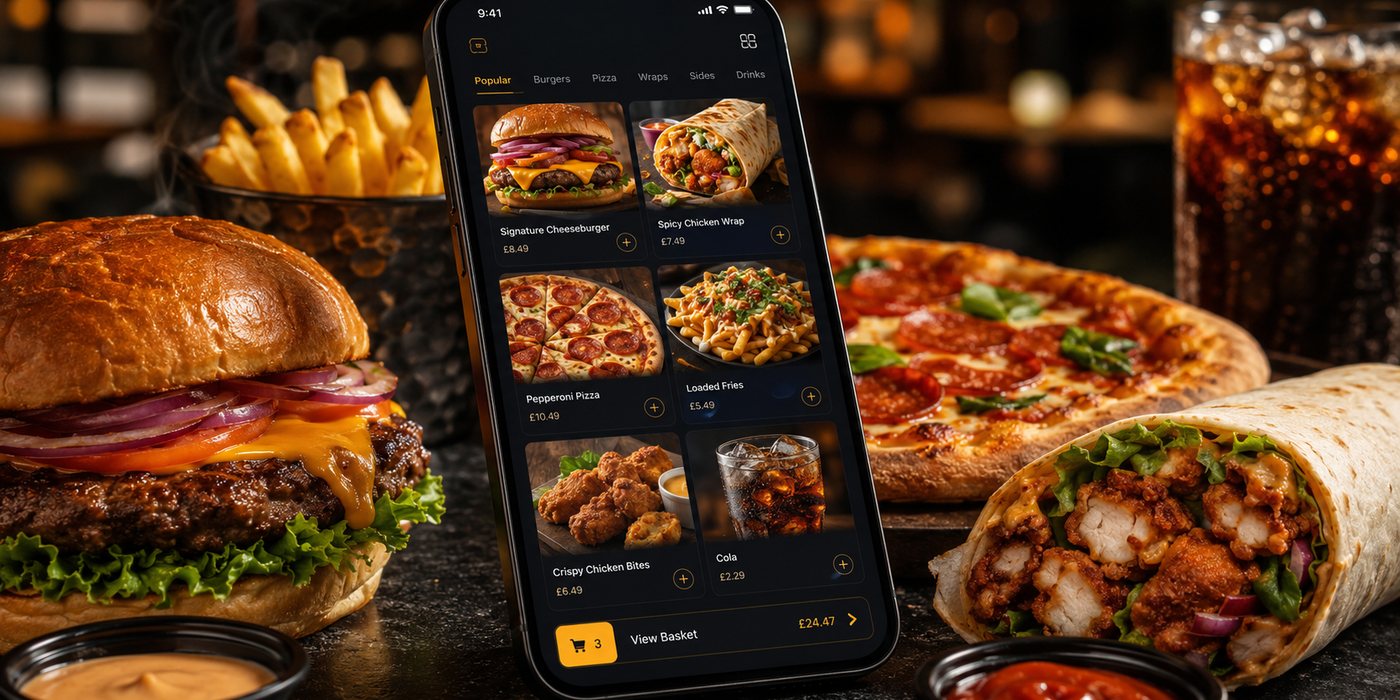
Driver Communication Systems
A driver communication system should reduce ambiguity without demanding constant conversation. The best design uses structured status for routine work and a clear escalation route for exceptions. A busy group chat is…
A driver communication system should reduce ambiguity without demanding constant conversation. The best design uses structured status for routine work and a clear escalation route for exceptions. A busy group chat is not an operational system if assignments, delays and customer instructions can be missed.
Define the message types
| Message | Best format | Owner |
|---|---|---|
| Job assigned | Structured assignment with accept or decline | Dispatcher |
| Order collected | Status event linked to order ID | Driver |
| Access problem | Short exception code plus note | Driver |
| Kitchen delay | Updated ready time | Kitchen or dispatcher |
| Customer unavailable | Defined attempt and escalation workflow | Driver and dispatcher |
| Safety incident | Immediate call or emergency procedure | Driver |
Keep one operational record
Messages should be tied to the restaurant order and delivery job. Avoid splitting critical information across a driver app, personal messages, marketplace chat and paper notes. If the tool cannot store the decision, add an exception log that can be reconciled later.
Limit customer information
Show the driver only what is required to complete the journey: name or identifier, address, approved contact route and relevant access notes. Do not expose marketing history, payment details or unrelated order history. Remove access after the job where the system supports it.
Design for safe use
- Do not require reading or typing while driving or riding.
- Use simple states and short exception choices.
- Allow a driver to report that it is unsafe to continue.
- Do not reward immediate responses that encourage unsafe phone use.
- Provide an emergency and lone-worker escalation route.
Plan communications during failure
Document an alternative if the driver app, mobile network or dispatch dashboard fails. The fallback should prevent duplicate assignment and preserve the order number, destination, customer contact route, bag count and completion outcome.
Evaluate the supplier
- Can messages and status history be exported?
- Can access be restricted by role and active job?
- Does the app separate work and private time?
- How are reassignment and cancellation handled?
- Can staff correct an address with an audit trail?
- What happens when a notification is not delivered?
- How are data retention and deletion configured?
Measure whether communication improved
Review unaccepted jobs, missing status events, customer-contact attempts, support calls, duplicate assignment and failed delivery. More messages are not a success measure; fewer ambiguous exceptions are.
Define dispatch authority
Only a named role should assign, cancel or reassign a job. Drivers should know whether they may swap work directly or must use dispatch. Informal swaps create missing records, duplicate journeys and privacy exposure. If an address is corrected, preserve the original and the reason rather than silently overwriting it.
Review the shift record
After service, check jobs without a completed status, repeated customer-contact attempts, late reassignment and messages that required a manager. These are signals that the structured workflow is missing a state or staff do not understand the escalation route.
Practical next step: define five standard exception codes and the required next action for each before choosing a new messaging tool.
Official UK privacy guidance
- Information Commissioner’s Office: Monitoring workers
- Information Commissioner’s Office: Specific considerations for worker monitoring
Guidance checked: 24 July 2026. The ICO notes that monitoring guidance is under review following legislative change, so tracking arrangements should be rechecked before implementation or material expansion.
Related guides
- Delivery Management — the main guide for the wider topic.
- Driver Tracking and Communication — the broader guide that frames this implementation.
- Live Order Tracking for Customers — a closely related operational control to review alongside this page.
- How to Plan Driver Tracking — a closely related operational control to review alongside this page.
Operational, legal and platform requirements can change. Recheck official guidance and supplier documentation before altering a live service.
Related practical guides
 Delivery ManagementHow to Plan Driver TrackingDriver tracking should begin with a documented operational need, not a map feature. This method helps a takeaway choose the minimum system needed…Read guide →Delivery ManagementHow to Plan Delivery MinimumsA delivery minimum should protect the economics of the journey without forcing customers into an unsuitable basket. It is one control among sever…Read guide →Delivery ManagementHow to Manage Multiple Delivery ZonesMultiple zones allow a takeaway to reflect different journey times, costs and service levels. They also create more opportunities for configurati…Read guide →
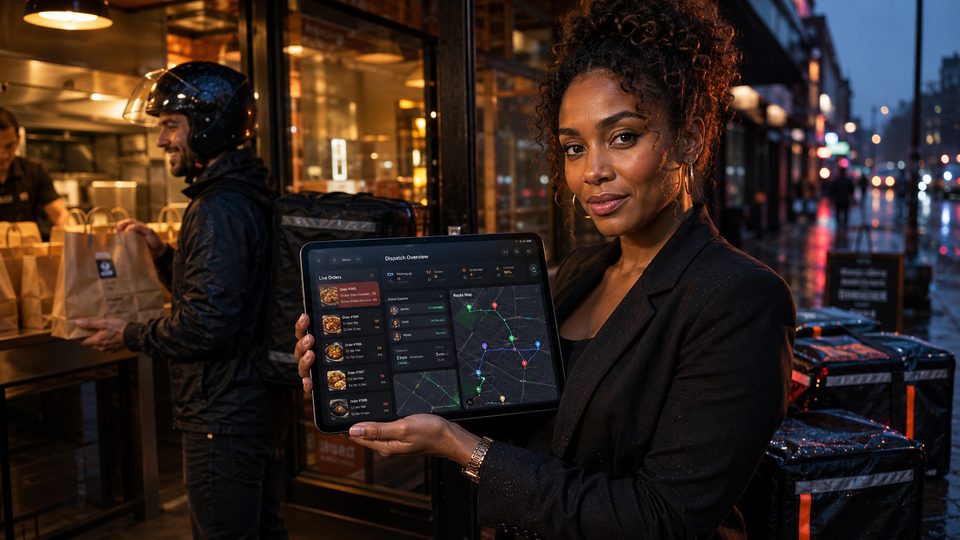 Delivery ManagementDelivery Route OptimisationRoute optimisation should improve completed-delivery cost and reliability without encouraging unsafe driving or excessive order grouping. The sys…Read guide →Delivery ManagementDelivery Pricing ModelsA delivery charge should be a deliberate part of the commercial model, not a copy of a competitor’s checkout. The right structure depends on zone…Read guide →Delivery ManagementDelivery During Busy PeriodsBusy-period delivery should be controlled as one system with the kitchen. Adding drivers alone will not solve a queue that is already late before…Read guide →
Connect customer ordering with operations and profit
Use the wider guide library to check the menu, kitchen, fulfilment, payment and financial implications of each decision.
Browse all practical guides