Restaurant Loyalty and Retention Guide
Retention is the result of a reliable experience and a sensible reason to return. A loyalty scheme can support that relationship, but it cannot compensate for poor food, inaccurate orders or weak recovery.
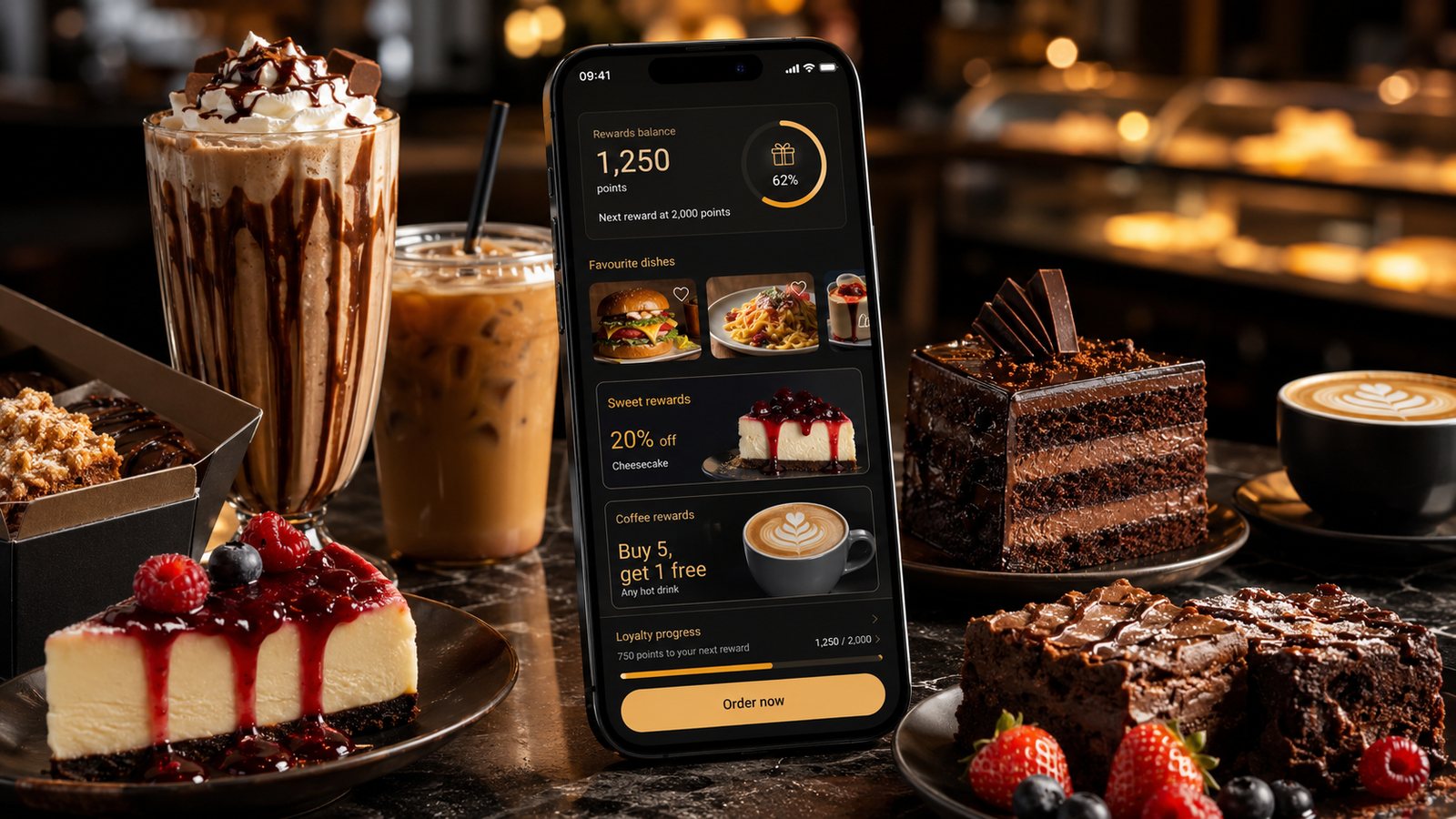
Retention is the result of a reliable experience and a sensible reason to return. A loyalty scheme can support that relationship, but it cannot compensate for poor food, inaccurate orders or weak recovery.
Define retention for the business
Choose a time window that reflects the takeaway’s natural order pattern. A weekly lunch customer and a monthly family-order customer should not be judged by the same interval. Measure cohorts from a first successful order and keep channels visible.
Diagnose before rewarding
| Reason customers do not return | Better first response |
|---|---|
| Late or inaccurate order | Fix capacity, routing and quality control |
| Poor value perception | Review menu, portions, total price and delivery promise |
| They cannot find the direct channel | Improve packaging, website and brand discovery |
| No relevant reason to return | Use menu relevance or a modest loyalty benefit |
| Too many messages | Reduce frequency and improve preferences |
| Unresolved complaint | Improve remedy and follow-up process |
Choose a loyalty mechanism that fits the order pattern
- Stamps for a simple, frequent repeat purchase.
- Points where baskets vary and customers understand the value.
- Credit or cashback only with clear liability and expiry rules.
- Benefits such as priority collection or exclusive items where the operation can fulfil them.
- Tiers only when different treatment is sustainable and fair.
Control the economics
Model earning, redemption, unredeemed liability, discount overlap, fraud, refunds and staff corrections. A reward is not free because it is redeemed later. Measure contribution after reward cost and compare members with an appropriate non-member or pre-launch baseline.
Protect customer choice
Loyalty registration should not silently enrol a customer into every marketing channel. Explain what information is needed to run the scheme and ask separately for email, text or push marketing where required. Provide account access, correction and deletion routes, while retaining limited records where necessary for legal or suppression purposes.
Run a controlled pilot
- Choose one simple reward and one customer group.
- Test earning, redemption, refunds and account recovery.
- Set a liability limit and fraud controls.
- Train staff and support.
- Measure second-order rate, contribution and complaints.
- Expand only if the operational evidence is positive.
Practical next step
Write the retention problem in one sentence before selecting points, stamps or cashback. The mechanism should solve that problem without creating a larger cost or support burden.
Plan programme failure and exit
Decide what happens if balances are wrong, the supplier is unavailable or the programme closes. Customers should receive clear notice and a fair route to use or resolve earned value. Keep exports and reconciliation evidence so support staff do not rely on screenshots alone.
Review fairness across channels
Check whether marketplace, telephone, website and app customers understand which orders qualify. A direct-channel incentive can be legitimate, but conditions should be clear and staff should not improvise exceptions that create inconsistent treatment or accounting errors.
Set customer-facing expectations
Publish concise terms covering earning, redemption, expiry, refunds and support. Show a current balance and transaction history where practical. If the programme changes, communicate the effect on already earned value before the change takes effect and provide a route for questions.
Related guides
- Restaurant Marketing and Customer Retention — the main guide for the wider topic.
- Loyalty and Retention Strategy — the broader guide that frames this implementation.
- Loyalty Programme Design — a closely related operational control to review alongside this page.
- How Restaurant Loyalty Apps Work — a closely related operational control to review alongside this page.
Sources and date checked
Guidance checked: 24 July 2026. Recheck supplier pricing, platform terms and regulatory guidance before acting.
Operational, legal and platform requirements can change. Recheck official guidance and supplier documentation before altering a live service.
Related practical guides
 Restaurant Marketing and Customer RetentionEmail Deliverability and ComplianceDeliverability and compliance support each other: wanted, well-governed mail is more likely to reach customers and less likely to produce complai…Read guide →
 Restaurant Marketing and Customer RetentionEmail Campaign Types for RestaurantsCampaign type should follow a customer need and an operationally valid reason to contact them. A weekly discount email is not a default requireme…Read guide →Restaurant Marketing and Customer RetentionDealing with Fake or Unfair ReviewsA review can be inaccurate, abusive or unrelated to a genuine order without being easy to remove. The correct response is to preserve evidence, u…Read guide →Restaurant Marketing and Customer RetentionCustomer Segmentation for TakeawaysCustomer segmentation is useful when it changes a real decision: which message to send, which service problem to fix or which offer to test. It b…Read guide →Restaurant Marketing and Customer RetentionConverting Marketplace Customers to DirectThe phrase “converting marketplace customers” can encourage the wrong approach. A takeaway should not treat marketplace order details as a market…Read guide →Restaurant Marketing and Customer RetentionBuilding an Email List from OrdersAn order can create a customer relationship, but it does not automatically create unlimited permission to send marketing emails. List growth must…Read guide →
Connect customer ordering with operations and profit
Use the wider guide library to check the menu, kitchen, fulfilment, payment and financial implications of each decision.
Browse all practical guides