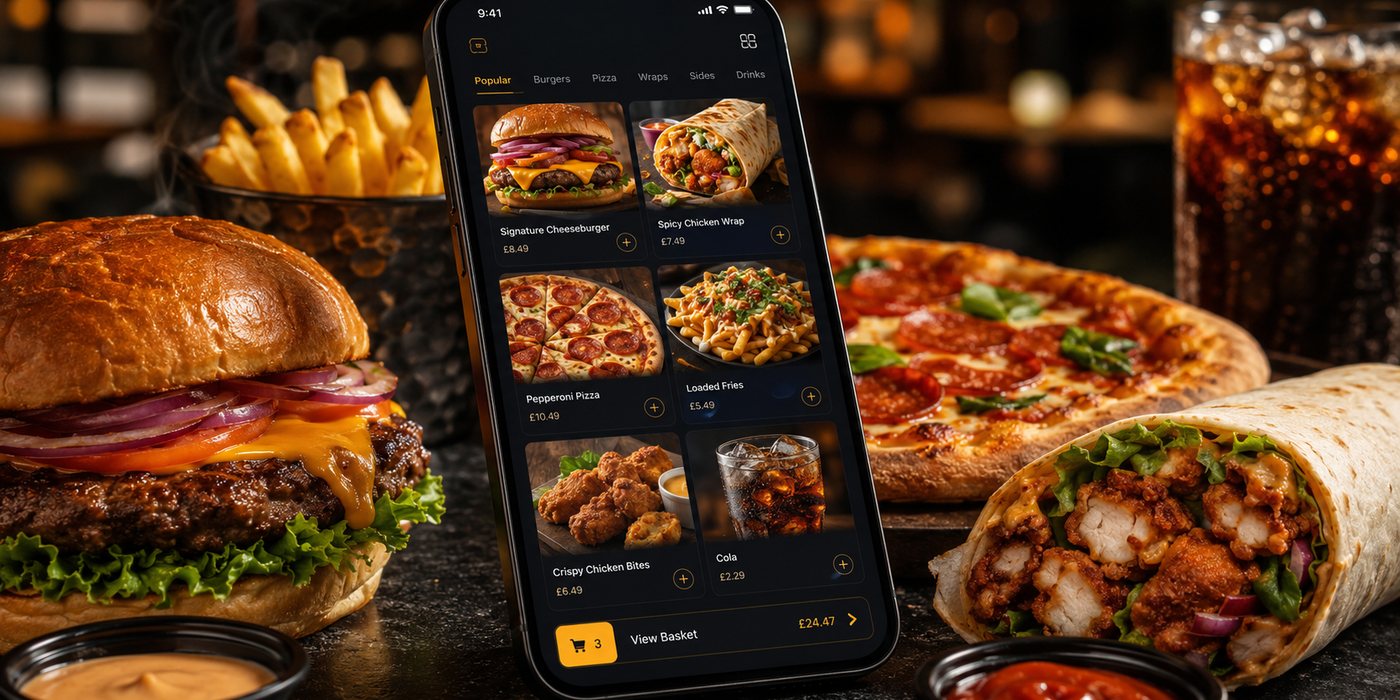
Setting Up Delivery for the First Time
The safest first delivery service is deliberately limited. Start with a small menu, a compact area and a controlled number of orders. The purpose of the launch is to prove the whole operation — not to advertise the wi…
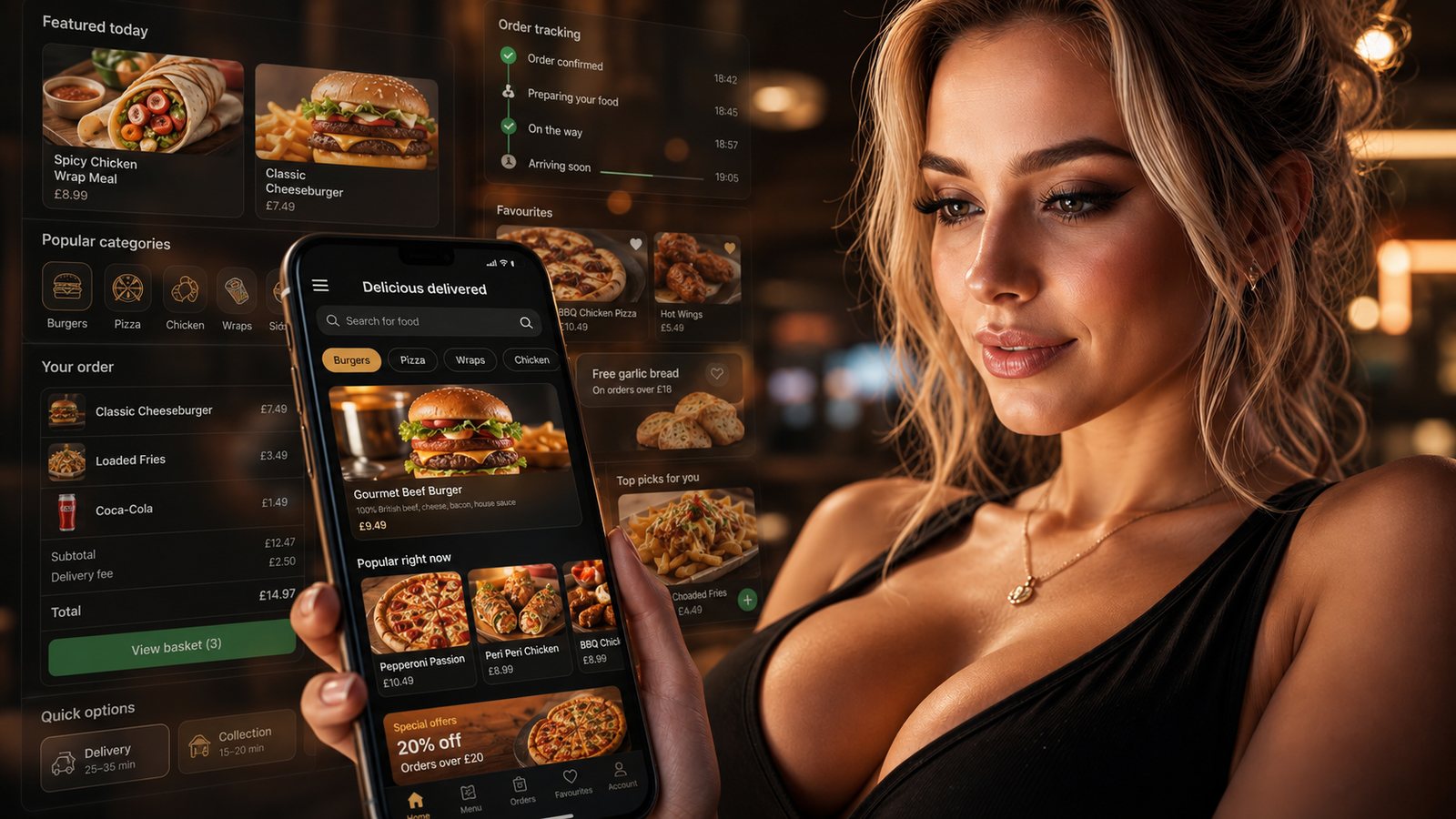
The safest first delivery service is deliberately limited. Start with a small menu, a compact area and a controlled number of orders. The purpose of the launch is to prove the whole operation — not to advertise the widest zone on day one.
Step 1: confirm that the menu can travel
Test representative orders using the actual containers, bags and journey conditions. Check leakage, condensation, separation of hot and cold items, presentation and the clarity of labels. Remove or adapt items that do not remain safe and acceptable.
Step 2: choose the initial driver model
- Own drivers: more control, but the business must manage recruitment, scheduling, road risk, vehicles, insurance and employment-status questions.
- Third-party platform: faster access to flexible capacity, but availability, support, service levels and contract terms require testing.
- Marketplace delivery: integrated demand and fulfilment, with platform-specific charges and customer-service rules.
Do not assume that a person’s ordinary motor policy covers paid food delivery. Ask the insurer or provider to confirm the required cover in writing for the exact work and vehicle.
Step 3: launch one conservative zone
Use actual journey observations rather than a simple map circle. Include parking, flats, gates, one-way roads and periods of congestion. Start with postcodes that can be served consistently, then extend only after reviewing evidence.
Step 4: calculate the order economics
Include food, packaging, payment charges, driver pay or provider charge, employer costs where applicable, failed-delivery allowance, redeliveries, support time and promotional funding. Set the minimum order and delivery fee from contribution rather than copying a competitor.
Step 5: configure the customer journey
- validate the postcode before or early in checkout;
- show the delivery fee and minimum clearly;
- show an available time based on live capacity;
- collect usable address and access details;
- provide allergen information through the required process;
- separate service communication from marketing choice;
- avoid accepting payment when delivery cannot be fulfilled.
Step 6: prepare the shift process
| Stage | Owner | Control |
|---|---|---|
| Acceptance | Order controller | Capacity, address and promised time |
| Preparation | Kitchen lead | Sequence and item availability |
| Packing | Pass lead | Completeness, labels and bag count |
| Dispatch | Dispatcher | Driver, route and release time |
| Exception | Named manager | Delay, failed delivery and remedy |
Step 7: test before public launch
- Place orders at zone boundaries.
- Test invalid and incomplete addresses.
- Test collection and delivery in the same service period.
- Test a driver delay and an unavailable driver.
- Test a payment with an uncertain outcome.
- Test an unavailable item after checkout starts.
- Test a complaint, partial refund and redelivery decision.
- Reconcile the complete order to the bank or provider statement.
Step 8: run a controlled pilot
Open delivery for selected periods with conservative capacity. Record kitchen-ready time, driver wait, journey time, failed delivery, complaints, full cost and staff workarounds. Do not widen the zone until the current promise is consistently reliable.
Practical next step: define a two-week pilot with one zone, one clear capacity limit and named staff ownership for acceptance, dispatch and exceptions.
Official UK guidance
- Food Standards Agency: Food safety for food delivery
- Health and Safety Executive: Driving and riding safely for work — guidance for employers
Guidance checked: 24 July 2026. Recheck official guidance, local food-safety arrangements and insurance requirements when the delivery model, vehicles or workforce change.
Official UK price-transparency reference
Guidance checked: 24 July 2026. Mandatory delivery and service charges should be presented clearly before the customer commits to the purchase.
Related guides
- Delivery Management — the main guide for the wider topic.
- Delivery Operations Overview — the broader guide that frames this implementation.
- Restaurant Delivery Operations Guide — a closely related operational control to review alongside this page.
Operational, legal and platform requirements can change. Recheck official guidance and supplier documentation before altering a live service.
Related practical guides
 Delivery ManagementHow to Plan Driver TrackingDriver tracking should begin with a documented operational need, not a map feature. This method helps a takeaway choose the minimum system needed…Read guide →Delivery ManagementHow to Plan Delivery MinimumsA delivery minimum should protect the economics of the journey without forcing customers into an unsuitable basket. It is one control among sever…Read guide →Delivery ManagementHow to Manage Multiple Delivery ZonesMultiple zones allow a takeaway to reflect different journey times, costs and service levels. They also create more opportunities for configurati…Read guide →
 Delivery ManagementDelivery Route OptimisationRoute optimisation should improve completed-delivery cost and reliability without encouraging unsafe driving or excessive order grouping. The sys…Read guide →Delivery ManagementDelivery Pricing ModelsA delivery charge should be a deliberate part of the commercial model, not a copy of a competitor’s checkout. The right structure depends on zone…Read guide →Delivery ManagementDelivery During Busy PeriodsBusy-period delivery should be controlled as one system with the kitchen. Adding drivers alone will not solve a queue that is already late before…Read guide →
Connect customer ordering with operations and profit
Use the wider guide library to check the menu, kitchen, fulfilment, payment and financial implications of each decision.
Browse all practical guides