Chargeback Management for Restaurants
A chargeback is not the same as a customer asking the restaurant for a refund. It is a card-scheme dispute raised through the customer’s card issuer and passed to the merchant through the acquirer or payment provider.…
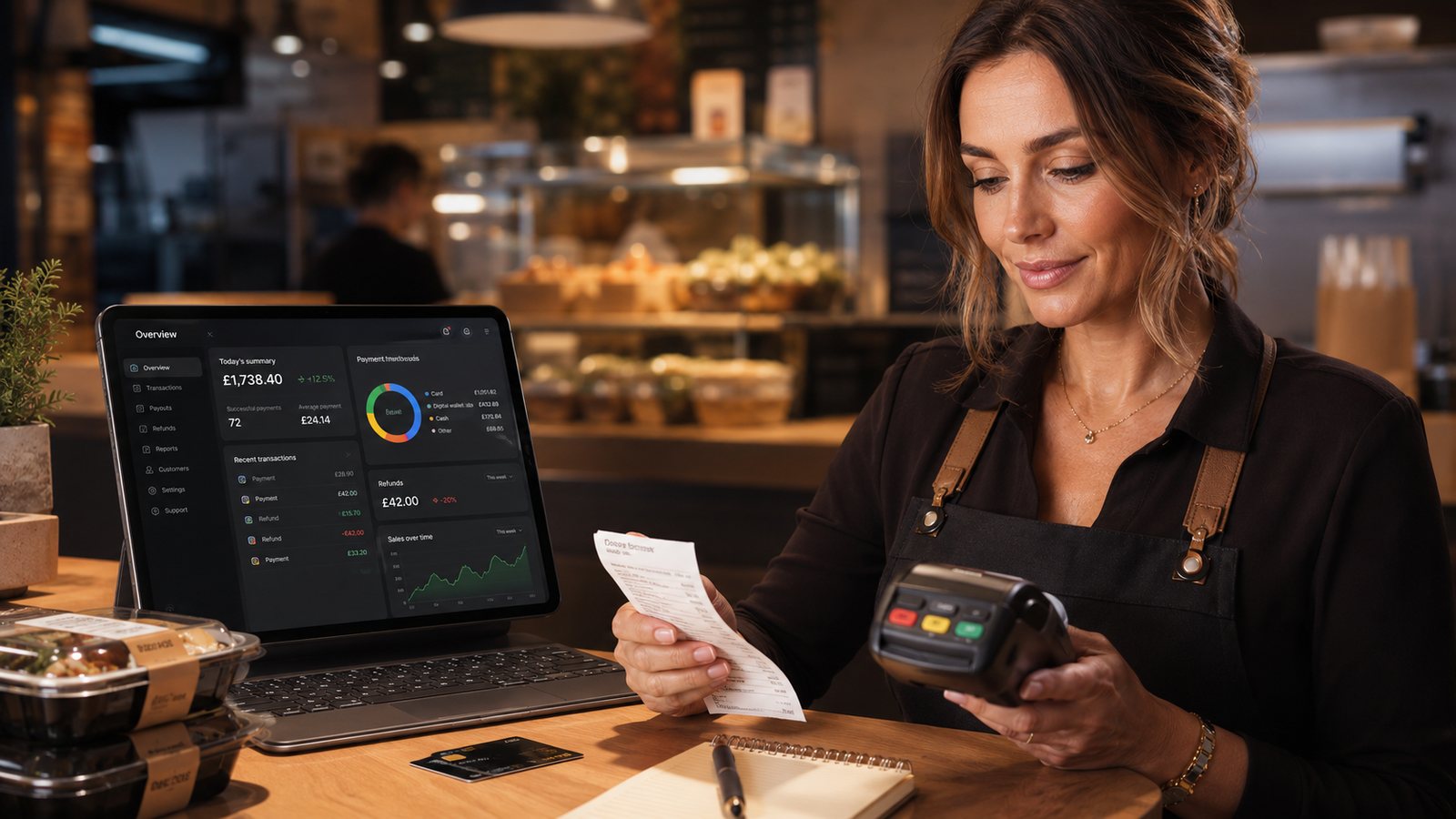
A chargeback is not the same as a customer asking the restaurant for a refund. It is a card-scheme dispute raised through the customer’s card issuer and passed to the merchant through the acquirer or payment provider. The restaurant may lose the transaction value and pay an additional fee unless it accepts the dispute or responds successfully.
Build a clear ownership process
Assign one person or role to:
- monitor provider notifications;
- record deadlines;
- identify the related order;
- collect proportionate evidence;
- decide whether to accept or challenge;
- submit the response;
- record the financial outcome;
- feed the root cause back into operations.
Chargeback deadlines can be short. Do not leave notices in a shared inbox without an owner.
Understand the dispute reason
Common categories include:
- transaction not recognised;
- goods or service not received;
- goods not as described or defective;
- duplicate processing;
- refund not received;
- cancelled transaction;
- fraud or authentication-related reason.
Respond to the actual reason. A delivery photo does not resolve a duplicate-payment dispute, and a payment-authorisation record does not prove that food was delivered.
Evidence by dispute type
| Reason | Potentially relevant evidence |
|---|---|
| Not recognised | Clear trading name, order details, authentication information, customer communication |
| Not received | Delivery or collection record, timestamps, address, contact attempts, handover evidence |
| Not as described | Basket, menu description, modifiers, complaint and remedy offered |
| Duplicate | Two transaction references and evidence of whether one or two orders existed |
| Refund not received | Refund reference, amount, date and provider status |
| Cancelled | Cancellation request, order stage, policy shown and restaurant response |
Only submit information required for the case. Protect customer data and follow the provider’s evidence format.
Decide whether to challenge
Consider:
- whether the restaurant clearly failed;
- whether a refund was already due or promised;
- the available evidence;
- the disputed amount;
- staff time and provider fee;
- the likelihood that the response meets the scheme requirements;
- whether accepting the dispute avoids duplicate compensation or further error.
Do not challenge every dispute automatically. Equally, do not ignore a false duplicate or non-delivery claim when reliable evidence exists.
Prevent “refund not received” disputes
- Submit the refund through the original route.
- Record the provider reference.
- Tell the customer the amount and date.
- Explain that the bank controls when the credit appears.
- Follow up if the provider shows a failure.
- Do not promise a refund and leave it unsubmitted.
Prevent unrecognised-transaction disputes
Check the statement descriptor customers see. It should be recognisable and supported by:
- order confirmation;
- trading name;
- contact details;
- clear basket and total;
- consistent website, receipt and bank-statement identity.
Delivery and collection evidence
Use proportionate evidence such as:
- order timestamps;
- delivery address;
- driver status;
- customer contact attempts;
- delivery confirmation permitted by the provider;
- collection order number and staff record;
- marketplace handover event.
Do not collect intrusive evidence without a clear purpose. A delivery process must also remain workable during a busy shift.
Duplicate-payment control
Prevent duplicate disputes by:
- using idempotent payment and order references;
- disabling repeated submission while a result is pending;
- checking the provider before asking the customer to retry;
- linking one intended order to its payment attempts;
- refunding confirmed duplicate charges promptly.
Marketplace chargebacks
Where the marketplace controls customer payment, the restaurant may receive an adjustment rather than a direct acquirer case. Check:
- the platform’s reason;
- evidence route;
- response deadline;
- cost allocation;
- whether the restaurant can appeal;
- how the adjustment appears in settlement.
Record the financial outcome
Record separately:
- disputed sale;
- chargeback amount;
- provider fee;
- temporary debit or reserve;
- representment outcome;
- final recovery or loss;
- food and delivery loss;
- preventive action.
Monthly review
- Dispute rate by channel and reason.
- Value won, lost and accepted.
- Duplicate and refund-not-received cases.
- Orders linked to delivery or accuracy failures.
- Repeated customer, address, device or process patterns.
- Provider deadlines missed.
- Actions taken to reduce recurrence.
Related guides
- Payments — the main guide for the wider topic.
- Refunds and Chargebacks — the broader guide that frames this implementation.
- When to Refund vs When to Redeliver — a closely related operational control to review alongside this page.
- Handling Refunds for Online Orders — a closely related operational control to review alongside this page.
Official guidance checked
- GOV.UK: liability for disputed card payments
- Financial Ombudsman Service: disputed transactions and chargebacks
Guidance checked: 24 July 2026. Card-scheme reason codes, evidence rules, fees and deadlines vary. Follow the current acquirer or payment-provider procedure.
Operational, legal and platform requirements can change. Recheck official guidance and supplier documentation before altering a live service.
Related practical guides
 PaymentsHow to Set Up Digital ReceiptsA digital receipt should give the customer a reliable record without creating a new privacy problem or weakening the restaurant’s accounting trai…Read guide →PaymentsHow to Measure Marketplace CommissionThe headline commission percentage is not the same as the total cost of a marketplace order. To measure the channel properly, use order-level sta…Read guide →
 PaymentsHow to Calculate Contribution Margin by Ordering ChannelContribution margin shows what remains after the costs that change with, or are avoidable because of, an order. It is useful for channel and pric…Read guide →PaymentsHandling Refunds for Online OrdersA refund process should be fast enough to treat the customer fairly and controlled enough to prevent duplicates, fraud and accounting gaps. The r…Read guide →
 PaymentsFraud Prevention for Online OrdersFraud prevention should combine payment-provider controls, secure staff access, proportionate order review and a documented response to suspiciou…Read guide →PaymentsData Protection for Payment InformationA payment transaction can involve more personal data than a card number. Names, delivery addresses, phone numbers, email addresses, order history…Read guide →
Connect customer ordering with operations and profit
Use the wider guide library to check the menu, kitchen, fulfilment, payment and financial implications of each decision.
Browse all practical guides