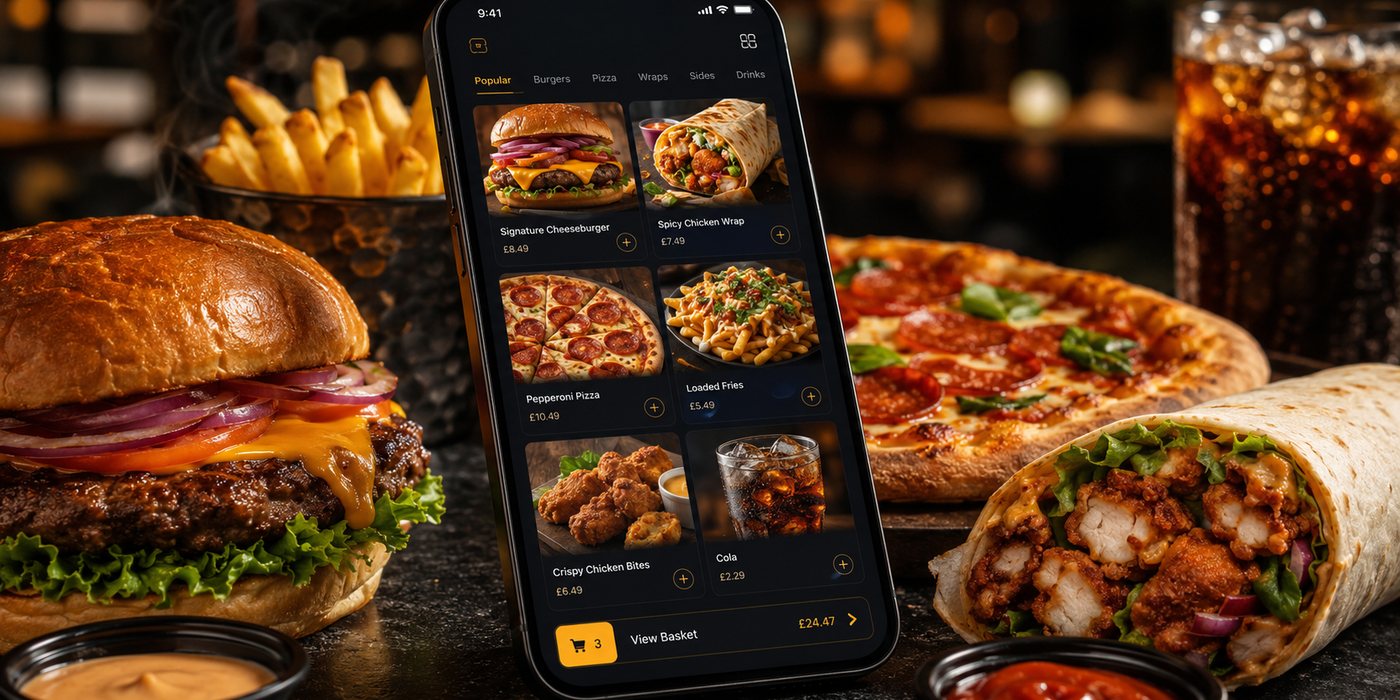
Comparing Profitability Across Channels
A fair channel comparison uses the same sales basis, time period and cost definitions. It also recognises that a marketplace, app, website and telephone line may perform different jobs for the business.
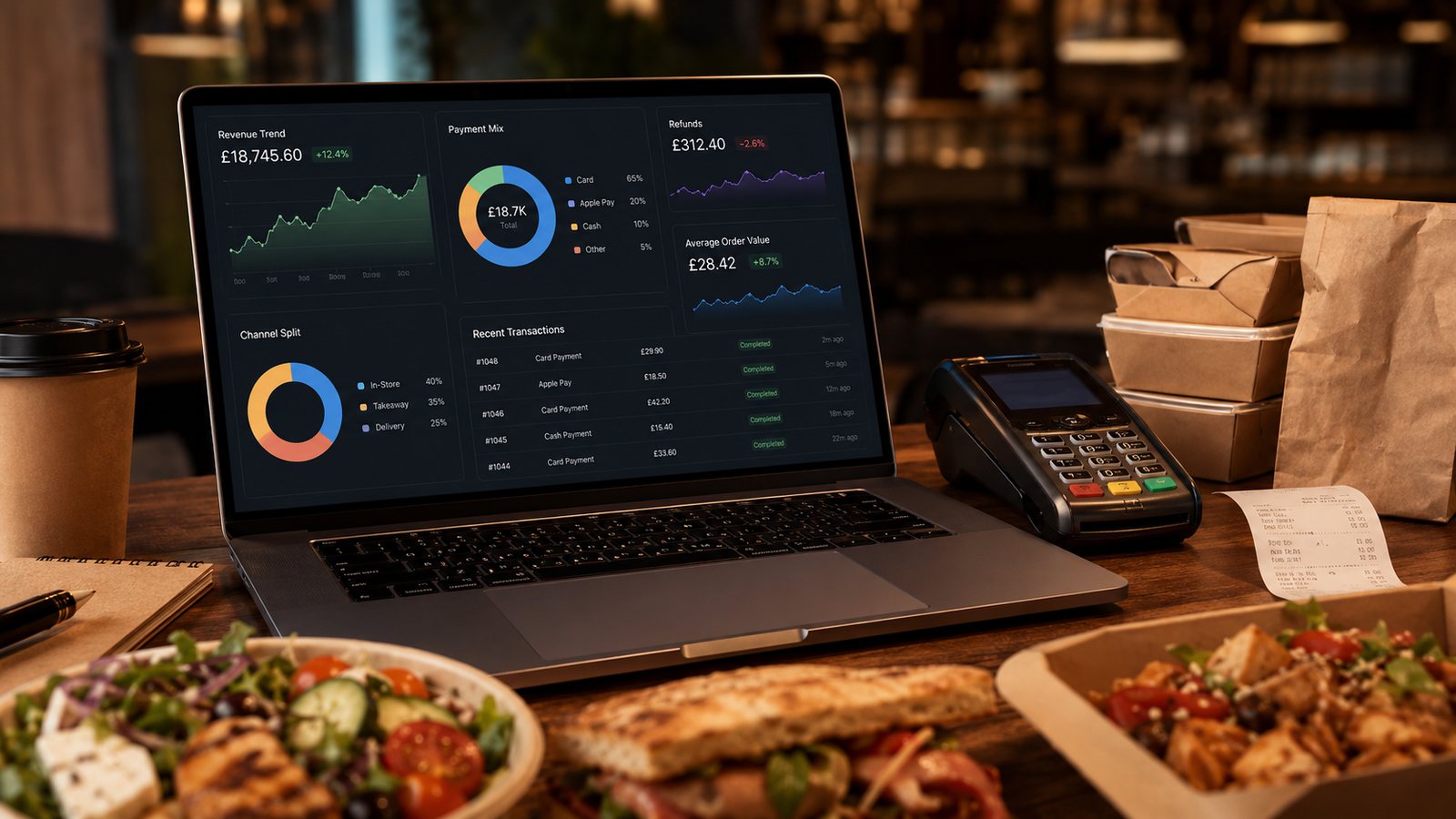
A fair channel comparison uses the same sales basis, time period and cost definitions. It also recognises that a marketplace, app, website and telephone line may perform different jobs for the business.
Standardise the data
- Define completed, cancelled and refunded orders.
- Use gross or net sales consistently.
- Separate VAT where appropriate.
- Record fees and promotions outside net payout.
- Match refunds and chargebacks to the original channel.
- Split collection and delivery.
Compare representative baskets
Use common basket types rather than only monthly averages. A marketplace may carry smaller new-customer orders, while the app may contain high-value loyal customers. Compare like-for-like baskets and then report the actual mix.
Include strategic and operational differences
| Dimension | Examples |
|---|---|
| Demand role | Discovery, repeat ordering, phone support or walk-in convenience |
| Control | Menu, pricing, customer journey and data access |
| Operational load | Tablets, manual entry, support and reconciliation |
| Resilience | Alternative route during a supplier or network failure |
| Contract risk | Commission, renewal, data export and exit |
Use sensitivity analysis
Test higher food cost, lower average basket, more refunds, a marketing incentive and an extra staff hour. Show when the channel ranking changes. A conclusion that disappears under a small assumption change should be treated cautiously.
Avoid simplistic decisions
Do not close a channel merely because its direct contribution is lower. First identify whether the business can move demand safely, whether another channel has capacity, and whether discovery or customer support value is being lost.
Practical next step
Select three comparable baskets and calculate contribution across website collection, website delivery and marketplace delivery. Then repeat using the actual monthly mix and explain the difference.
Control for customer and time mix
Compare weekday with weekday and peak with peak. A direct channel may appear stronger because established customers use it, while a marketplace bears the cost of discovery. Report new and repeat customers separately where identity can be matched lawfully and reliably. Do not force uncertain matches merely to improve attribution.
Reconcile the operational denominator
Use accepted and completed orders consistently. Show cancelled, refunded and failed-payment orders separately. For delivery, include journey and waiting time; for collection, include handover and no-show cost. If a channel requires manual re-entry or a dedicated tablet, record the labour and failure risk.
Document the decision
State whether the decision concerns pricing, promotion, capacity, supplier negotiation or channel closure. A profitability report should lead to a controlled action and review date, not a permanent ranking that ignores changes in commission, food cost or customer behaviour.
Include confidence and data quality
Rate each comparison as high, medium or low confidence based on matching, fee detail and cost evidence. A channel with incomplete refund or labour data should not be declared the winner. List the missing evidence and rerun the decision after it is obtained.
Present raw counts
Show order count, sales, refunds and contribution beside rates. Percentages from a small sample can create a false ranking, especially for a newly launched channel.
Related guides
- Payments — the main guide for the wider topic.
- Channel Profitability — the broader guide that frames this implementation.
- Pricing Strategy for Online Orders — a closely related operational control to review alongside this page.
- How to Calculate Contribution Margin by Ordering Channel — a closely related operational control to review alongside this page.
Sources and date checked
Guidance checked: 24 July 2026. Recheck official guidance, local requirements and supplier documentation before changing a live operation.
Operational, legal and platform requirements can change. Recheck official guidance and supplier documentation before altering a live service.
Related practical guides
 PaymentsHow to Set Up Digital ReceiptsA digital receipt should give the customer a reliable record without creating a new privacy problem or weakening the restaurant’s accounting trai…Read guide →PaymentsHow to Measure Marketplace CommissionThe headline commission percentage is not the same as the total cost of a marketplace order. To measure the channel properly, use order-level sta…Read guide →
 PaymentsHow to Calculate Contribution Margin by Ordering ChannelContribution margin shows what remains after the costs that change with, or are avoidable because of, an order. It is useful for channel and pric…Read guide →PaymentsHandling Refunds for Online OrdersA refund process should be fast enough to treat the customer fairly and controlled enough to prevent duplicates, fraud and accounting gaps. The r…Read guide →
 PaymentsFraud Prevention for Online OrdersFraud prevention should combine payment-provider controls, secure staff access, proportionate order review and a documented response to suspiciou…Read guide →PaymentsData Protection for Payment InformationA payment transaction can involve more personal data than a card number. Names, delivery addresses, phone numbers, email addresses, order history…Read guide →
Connect customer ordering with operations and profit
Use the wider guide library to check the menu, kitchen, fulfilment, payment and financial implications of each decision.
Browse all practical guides