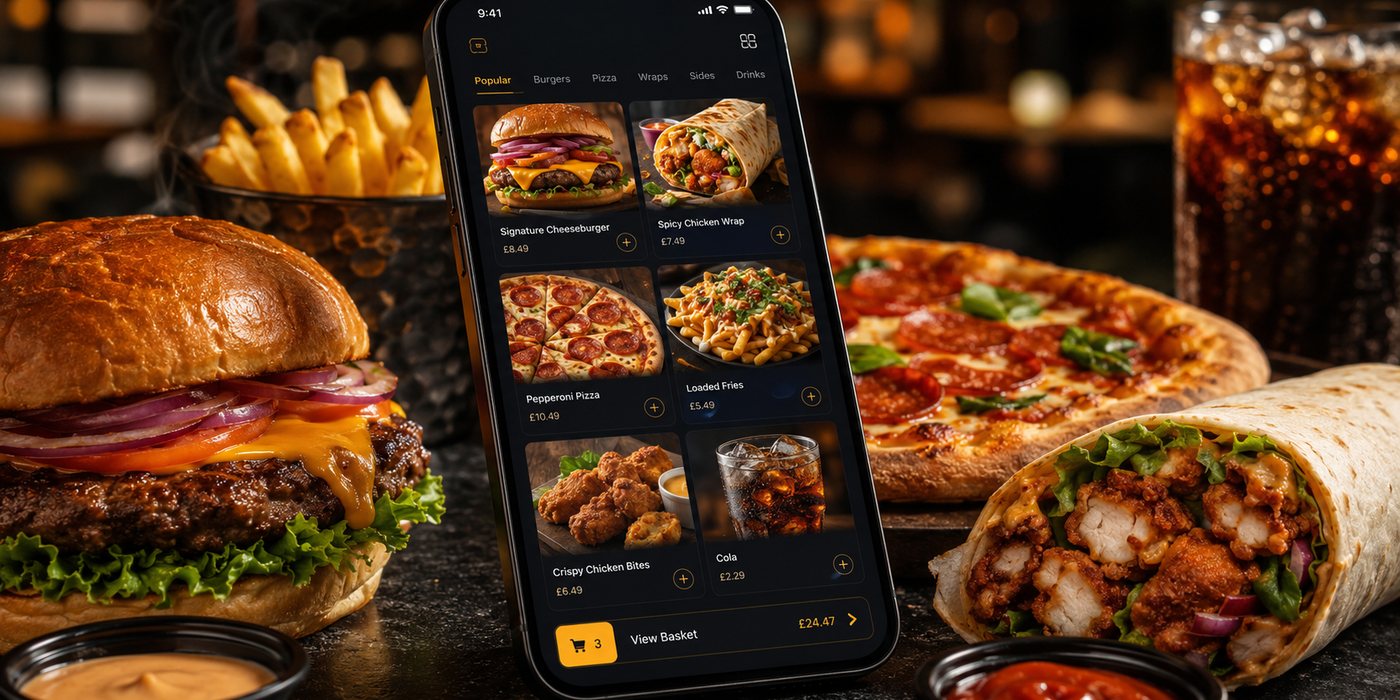
Pricing Strategy for Online Orders
Online pricing should cover channel and fulfilment cost, remain clear to customers and support a sustainable operating model. It should not rely on hidden fees, permanent discounts or unsupported assumptions about wil…
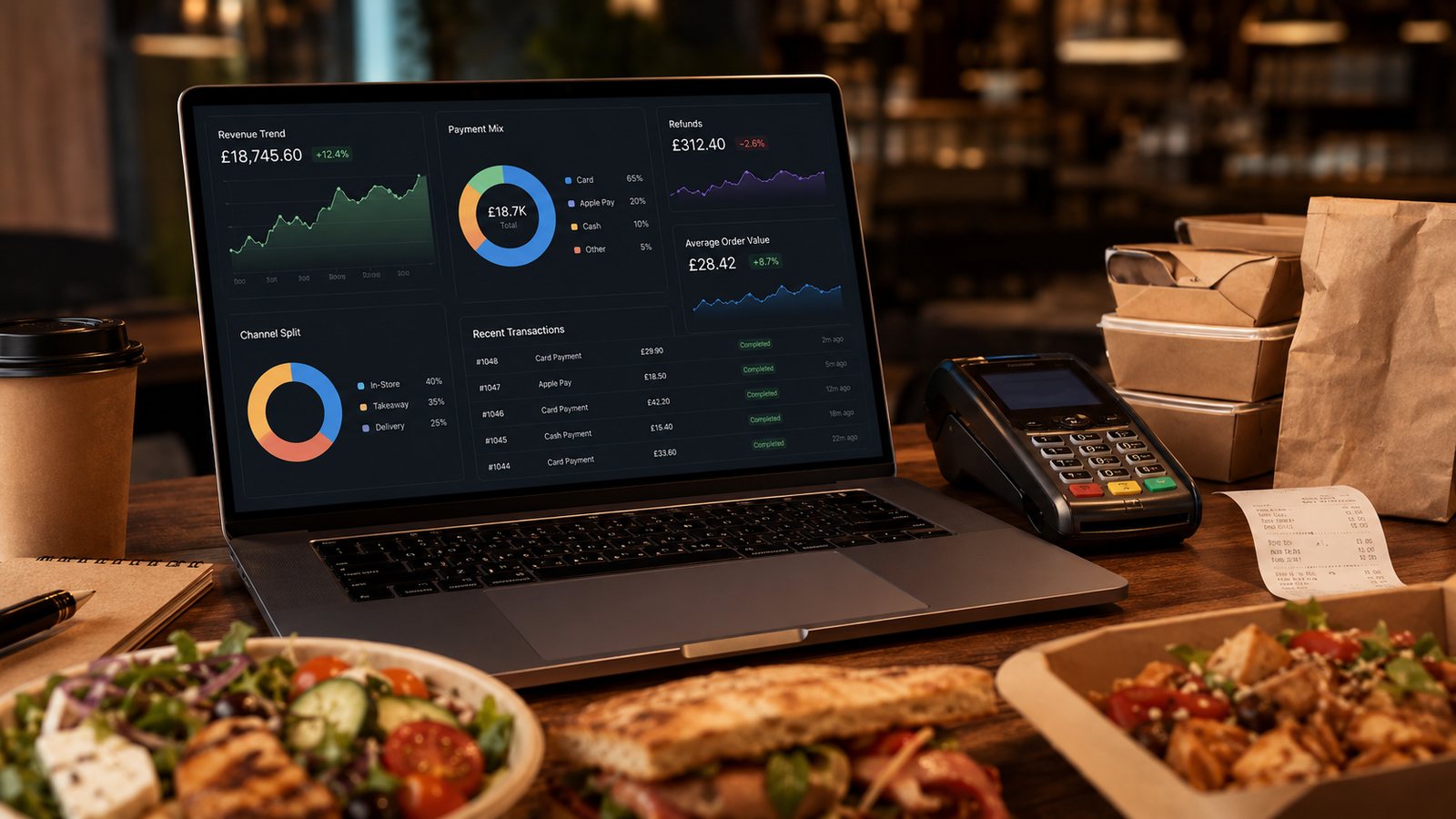
Online pricing should cover channel and fulfilment cost, remain clear to customers and support a sustainable operating model. It should not rely on hidden fees, permanent discounts or unsupported assumptions about willingness to pay.
Choose the objective
Possible objectives include protecting contribution, simplifying the menu, funding delivery, moving demand to collection, reducing low-value peak orders or supporting a controlled direct-channel launch. Use one primary objective per change.
Build the cost floor
Use recipe, packaging, payment, channel, promotion, delivery, incremental labour and failure cost. Model common baskets rather than only item averages. Include VAT and accounting treatment with professional advice where required.
Compare pricing approaches
| Approach | Use | Risk |
|---|---|---|
| Same price across channels | Simple brand experience | Different costs may erode contribution |
| Channel-specific item price | Reflects channel cost | Needs clear customer presentation |
| Delivery fee or zone fee | Funds fulfilment | Must be visible and correctly calculated |
| Minimum order | Protects fixed burden | Can exclude small baskets |
| Promotion | Time-limited acquisition or retention test | Can train customers to wait for discounts |
Apply fair presentation
Display a realistic total including unavoidable charges at the appropriate point. Avoid drip pricing, false urgency and confusing default options. If an exact delivery amount depends on address, explain the basis and calculate it promptly.
Test customer and operational effects
- Conversion and basket mix
- Contribution and refunds
- Collection versus delivery
- Peak kitchen load
- Complaints and support
- Channel switching
- Accessibility and comprehension
Use controlled releases
Version price changes, test every channel and define rollback. Do not allow an agency or marketplace tool to change prices without an owner and approval record. Review the effect after a representative period, not only the first busy evening.
Practical next step
Select five representative baskets and calculate current contribution by channel. Test one transparent pricing change and record the customer, operational and financial guardrails before launch.
Coordinate menu, promotion and fulfilment
Price changes should not be designed in isolation from availability, delivery zones and promotions. A lower item price combined with a delivery discount and loyalty reward may create a negative-contribution order. Build representative baskets that include common modifier and offer combinations.
Check platform implementation
Confirm whether marketplaces permit channel-specific pricing, how they display mandatory charges, and who funds a promotion. Test the customer view, receipt, settlement and refund. A correctly configured back office does not prove that the customer saw the intended total.
Govern price review
Set triggers for ingredient, wage, commission, packaging and delivery changes. Assign an approver and keep a versioned price file. Review customer complaints and support contacts for comprehension, not only conversion. A simple, trusted total may outperform a lower headline price with several later charges.
Review legal and contractual constraints
Before launch, check marketplace terms, promotion funding, menu-price synchronisation and the current consumer-pricing rules. Record whether each mandatory fee is already included in the displayed price or clearly calculable. Remove obsolete price claims from adverts and saved campaigns.
Related guides
- Payments — the main guide for the wider topic.
- Channel Profitability — the broader guide that frames this implementation.
- How to Calculate Contribution Margin by Ordering Channel — a closely related operational control to review alongside this page.
- Comparing Profitability Across Channels — a closely related operational control to review alongside this page.
Sources and date checked
Guidance checked: 24 July 2026. Recheck official guidance, local requirements and supplier documentation before changing a live operation.
Operational, legal and platform requirements can change. Recheck official guidance and supplier documentation before altering a live service.
Related practical guides
 PaymentsWhen to Refund vs When to RedeliverThe right remedy depends on what went wrong, whether the customer still needs the meal and whether the restaurant can complete a safe replacement…Read guide →PaymentsRestaurant Payment-Gateway FeesPayment-gateway cost is more than a percentage printed on a pricing page. The real cost depends on basket size, card mix, fixed charges, refunds,…Read guide →
 PaymentsRecord Keeping for Tax and ComplianceA takeaway’s records must explain the business, not just show the money that reached the bank. Direct orders, marketplace settlements, cash, card…Read guide →PaymentsPayment Methods for Takeaway OrderingThe best payment mix is the one customers can use easily and staff can reconcile accurately. Adding every available method can create more failur…Read guide →PaymentsPCI DSS Compliance for RestaurantsPCI DSS is the payment-card industry security standard. It applies to organisations that store, process or transmit cardholder data, and it can a…Read guide →PaymentsMarketplace Payout IssuesA missing or reduced marketplace payout should be investigated as a reconciliation problem, not guessed from the bank balance. The difference may…Read guide →
Connect customer ordering with operations and profit
Use the wider guide library to check the menu, kitchen, fulfilment, payment and financial implications of each decision.
Browse all practical guides