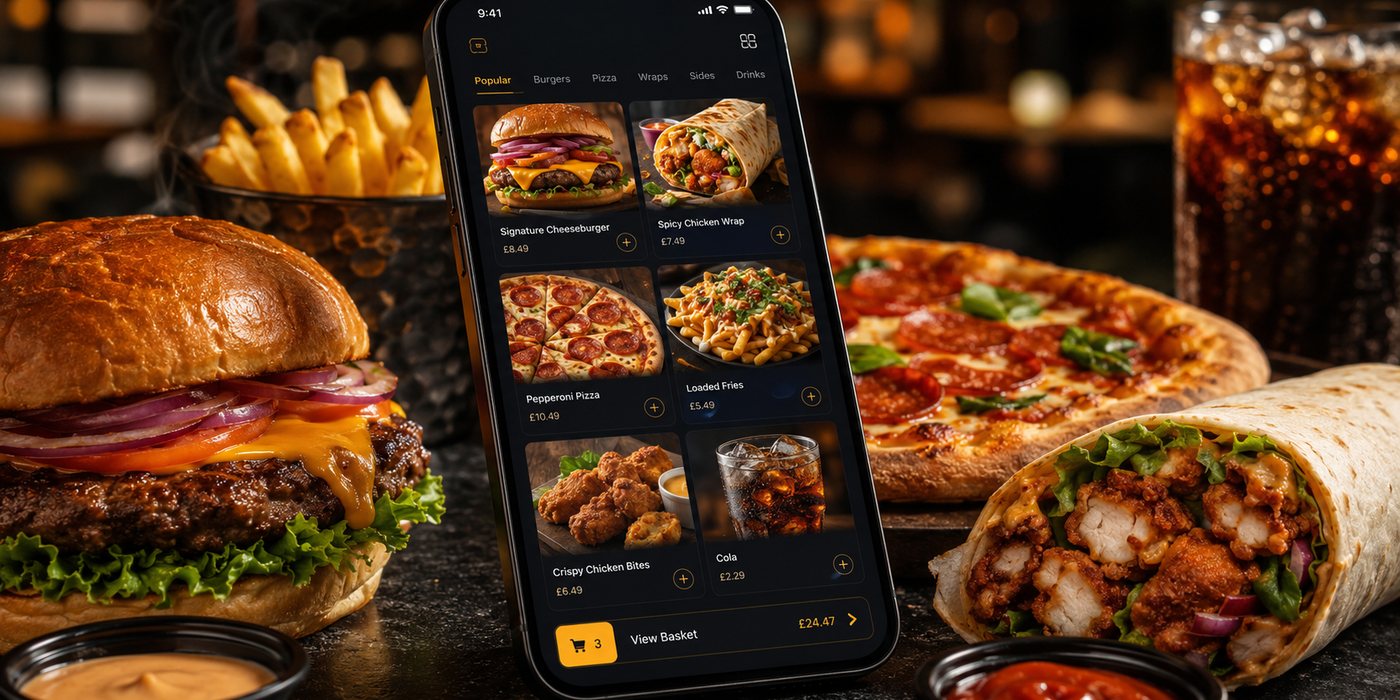
Marketplace Visibility and Ranking
Marketplace visibility can affect order volume, but restaurants rarely know the full logic behind search, recommendation and sponsored placement. Algorithms and commercial products can change. A takeaway should theref…
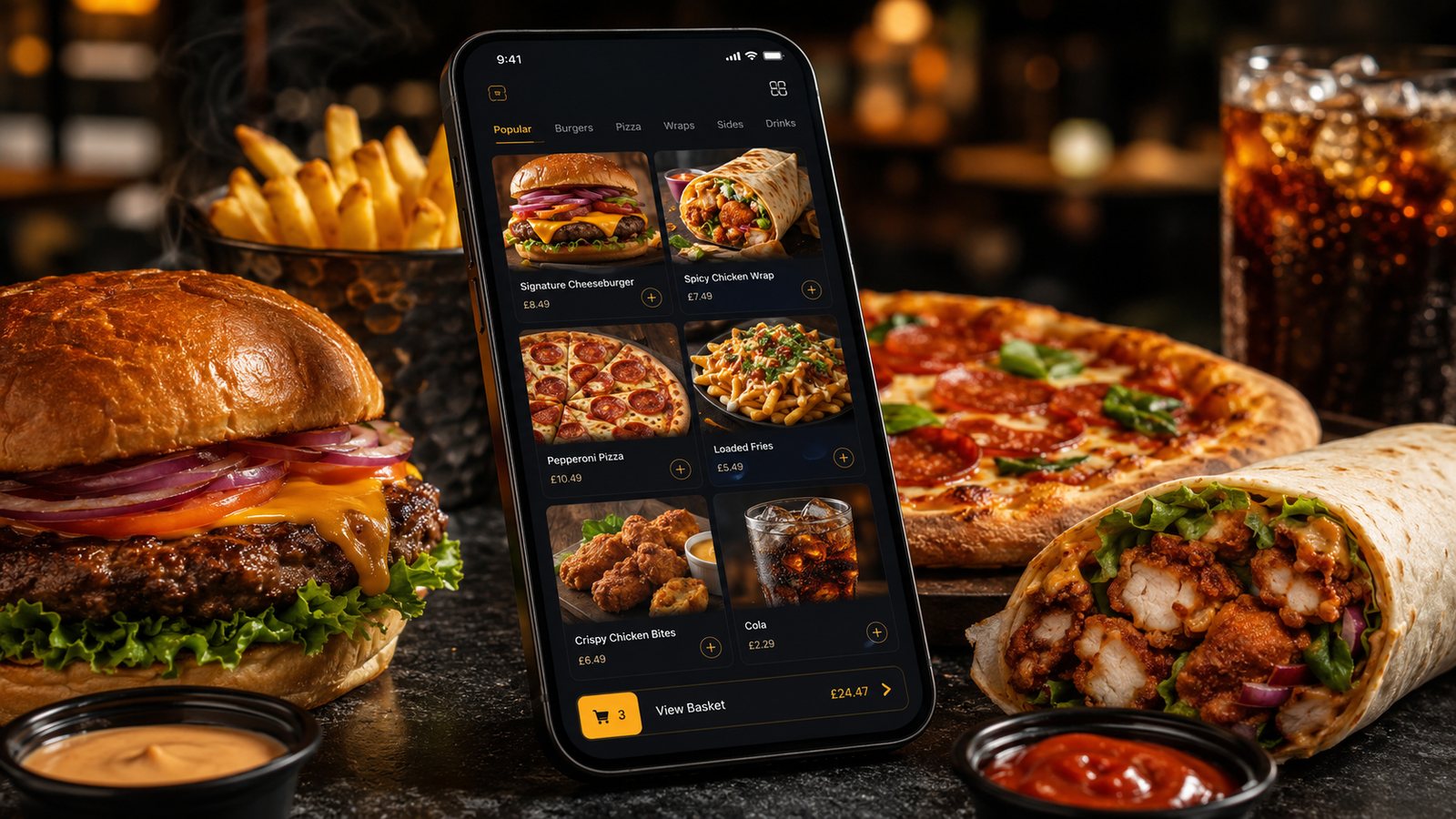
Marketplace visibility can affect order volume, but restaurants rarely know the full logic behind search, recommendation and sponsored placement. Algorithms and commercial products can change. A takeaway should therefore focus on controllable listing quality, reliable operations and measured promotion rather than trying to reverse-engineer a secret formula.
Separate organic visibility from paid placement
Ask the platform to explain which placements are:
- ordinary search or category results;
- recommendations;
- personalised results;
- promotional collections;
- sponsored or paid positions.
Paid visibility should be labelled and evaluated as marketing spend. Do not treat an increase in impressions as proof of profitable incremental orders.
Control the basics customers can see
A strong listing normally needs:
- accurate opening hours;
- correct delivery and collection availability;
- a clear cuisine and category position;
- current menu items and prices;
- useful descriptions and genuine images;
- realistic preparation and delivery promises;
- consistent branding and address information;
- an appropriate response to genuine customer feedback.
These controls improve the customer journey even if their exact ranking effect is unknown.
Availability and operational performance
Frequent rejection, unexplained closure or unrealistic times can reduce customer trust and may affect how the platform treats the listing. However, do not accept orders that the kitchen cannot fulfil merely to protect a dashboard metric.
Use:
- planned opening hours;
- real-time sold-out controls;
- capacity-based preparation times;
- temporary pauses during genuine overload;
- clear outage and device checks;
- root-cause review of rejected orders.
Reliable service is more valuable than artificial availability that produces late or cancelled orders.
Menu completeness and relevance
A long menu is not automatically more visible or more useful. The menu should help customers understand the offer quickly and build a valid basket.
Review:
- category order;
- popular and distinctive items;
- modifier complexity;
- unavailable items;
- images that accurately represent the product;
- bundles and promotions with clear conditions;
- items that generate repeated refunds or poor reviews.
Remove or repair weak items based on operational evidence, not simply because they have low sales over a short period.
Reviews and ratings
Genuine feedback can influence customer choice. It may also be one of several signals used by a platform, but the exact weighting should not be assumed.
Use reviews to identify:
- late preparation;
- missing items;
- packaging failure;
- incorrect menu descriptions;
- delivery issues;
- inconsistent portions or quality.
Do not buy, fabricate or selectively suppress reviews in a misleading way. Respond politely, avoid publishing personal information and move detailed support into the appropriate private channel.
Sponsored placements and promotions
Before spending, define:
- the target area, audience or daypart;
- the maximum budget;
- the expected incremental contribution;
- the kitchen and delivery capacity available;
- how ordinary demand will be distinguished from paid demand;
- the stop rule if service or contribution deteriorates.
A promotion can move orders into a different daypart or discount customers who would have ordered anyway. Evaluate the full effect, including refunds, preparation pressure and repeat behaviour after the campaign.
Do not chase every dashboard metric
Platform dashboards may show impressions, menu views, conversion, acceptance, availability, preparation or customer ratings. Use the definitions supplied by the provider and avoid combining metrics from different platforms as if they were calculated identically.
Prioritise measures linked to a decision:
| Question | Useful evidence |
|---|---|
| Are customers finding the listing? | Impressions or search exposure, interpreted with platform definitions |
| Does the listing create valid demand? | Menu views, completed orders and contribution |
| Can the operation fulfil the demand? | Rejections, lateness, cancellations and refund reasons |
| Does paid visibility add value? | Incremental orders and contribution after campaign cost |
| Is the offer competitive? | Customer behaviour, feedback, menu clarity and local comparison |
A controlled improvement cycle
- Record the current listing, menu and operational baseline.
- Fix clear availability, image, description and order-handling problems.
- Change one meaningful factor at a time where possible.
- Allow enough time to observe normal variation.
- Review contribution and service, not visibility alone.
- Retain improvements that help customers and operations.
- Document provider changes that make previous assumptions obsolete.
Questions for the marketplace account team
- Which visibility products are paid?
- How are the dashboard metrics defined?
- Which service and availability measures can the restaurant see?
- How are temporary pauses and planned closures treated?
- How are promotions funded and reported?
- What data can be exported for analysis?
- How are suspected listing or technical errors raised?
A strong marketplace presence starts with an accurate offer and reliable fulfilment. Visibility tactics cannot compensate for a menu the kitchen cannot deliver or a campaign the business cannot serve profitably.
Related guides
- Online Ordering — the main guide for the wider topic.
- Marketplace Operations — the broader guide that frames this implementation.
- Marketplace Menu Management — a closely related operational control to review alongside this page.
- Managing Marketplace Reviews — a closely related operational control to review alongside this page.
Official guidance checked
Guidance checked: 24 July 2026. Ranking systems, dashboards and sponsored products are provider-specific and can change without notice.
Operational, legal and platform requirements can change. Recheck official guidance and supplier documentation before altering a live service.
Related practical guides
 Online OrderingOnline Ordering for New Takeaway BusinessesA new takeaway does not need a marketplace listing, ordering website, branded app and loyalty programme on its first day. It needs one dependable…Read guide →Online OrderingMulti-Location Restaurant Ordering Systems: What ChangesMoving from one takeaway location to several changes more than the number of kitchens. Identity, menu governance, pricing, capacity, support, pay…Read guide →
 Online OrderingMarketplace Menu ManagementA marketplace menu is a live operating document. It controls what customers can buy, what the kitchen receives and what the business may later ne…Read guide →
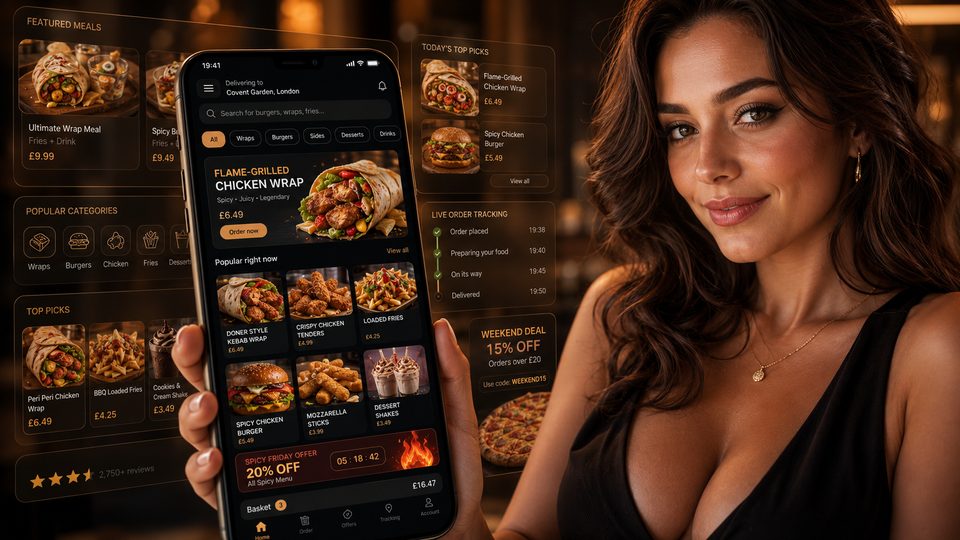 Online OrderingMarketplace Commission StructuresMarketplace cost is rarely one simple percentage. The total depends on the provider, contract, delivery model, promotions, payment treatment, ref…Read guide →
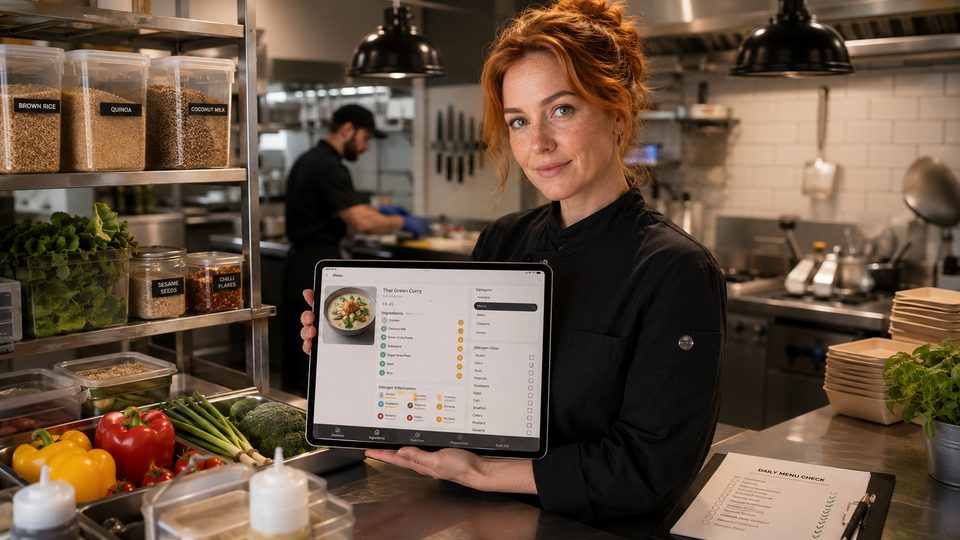 Online OrderingHow to Handle Allergens OnlineA safe online allergen process connects approved recipes, supplier specifications, menu data, trained staff, kitchen controls and delivery-stage …Read guide →Online OrderingHow to Design Checkout for TakeawayA takeaway checkout should confirm a clear order, a realistic fulfilment promise and a transparent total price with as little unnecessary effort …Read guide →
Connect customer ordering with operations and profit
Use the wider guide library to check the menu, kitchen, fulfilment, payment and financial implications of each decision.
Browse all practical guides