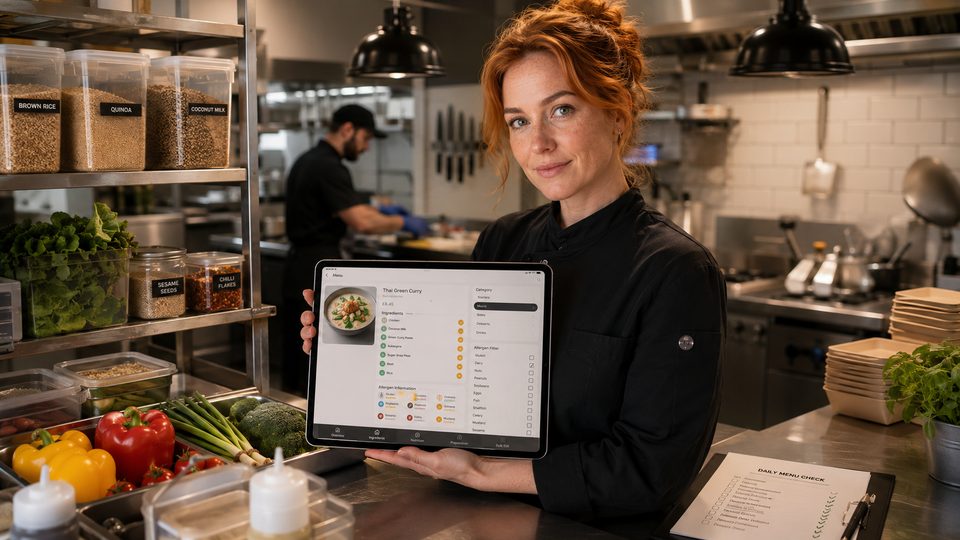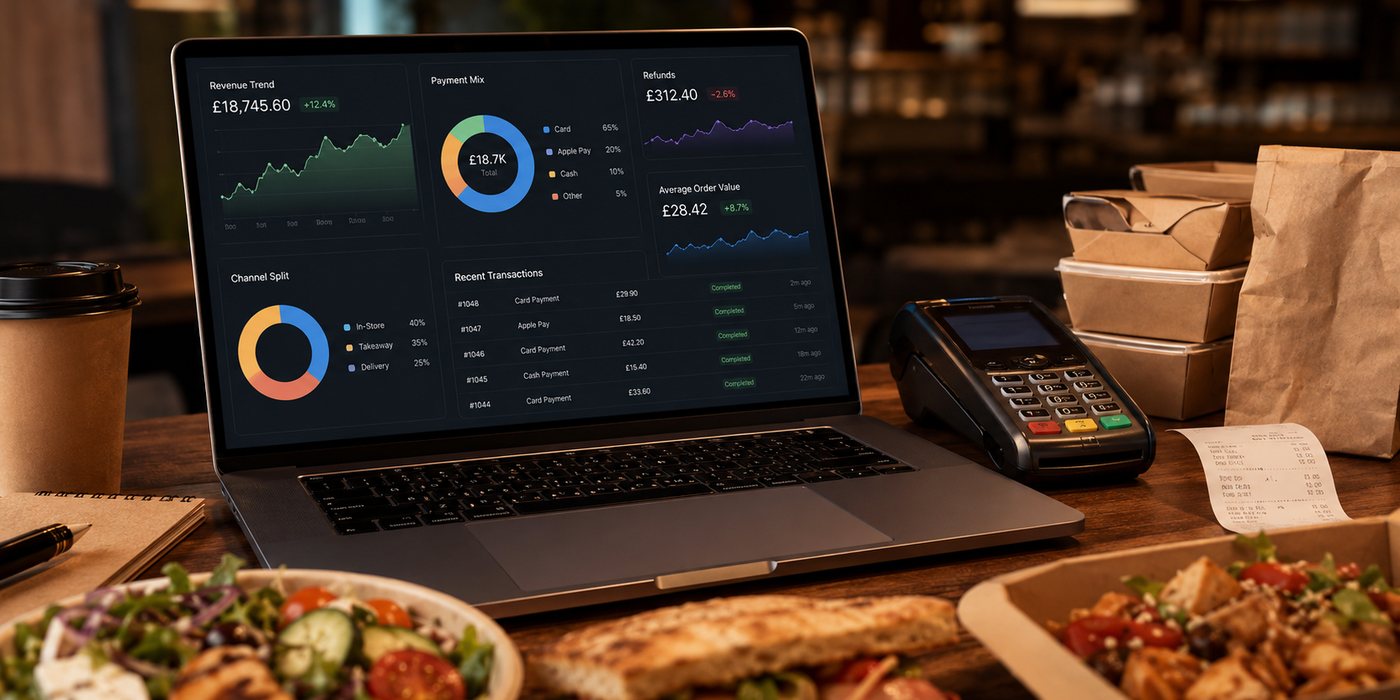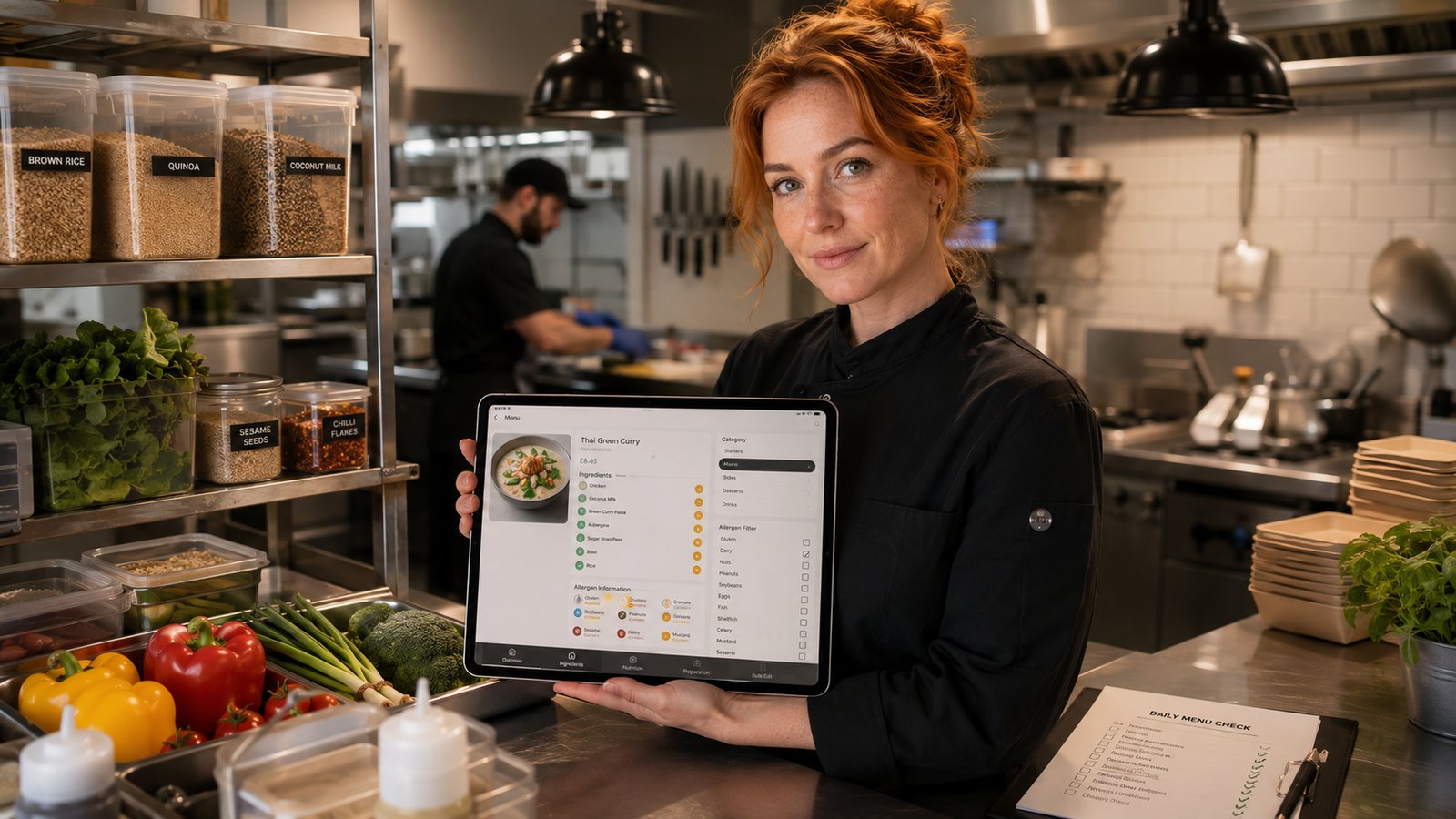
Online ordering changes how food information is published, how orders reach the kitchen and how food is handed over. It does not reduce the food business operator's responsibility. This hub connects allergens, labels, hygiene ratings, dietary claims and delivery controls into one operational system.
Use this section as a control map
| Need | Detailed guide |
|---|---|
| Build a distance-order allergen process | How to Handle Allergens Online |
| Classify products and labels | Food Labelling for Online Orders |
| Publish dietary claims responsibly | Dietary Requirements on Digital Menus |
| Manage official inspection information | Food Hygiene Ratings and Online Ordering |
| Connect wider duties | Regulatory and Compliance |
Start with approved product information
Every menu item needs an approved recipe, ingredient source, modifier set, availability rule and responsible owner. Food information should not be typed independently into the website, app, marketplace and printed menu without change control. Use a source-of-truth process and an exception register for channels that cannot represent the full structure.
Design the customer journey for safety
- Show item and modifier information before purchase.
- Make allergen access prominent and accessible.
- Separate dietary preferences from regulated allergen information.
- Do not promise unavailable separation or cross-contact controls.
- Keep mandatory charges and product descriptions clear.
- Provide a trained contact route before ordering.
- Carry the required information to delivery or collection.
Connect the digital order to the kitchen
Test how names, modifiers, allergen requests, promised times and contact details appear on the kitchen and packing outputs. A correct customer screen is not enough if the kitchen ticket truncates an option or if a marketplace order bypasses the approved process. Define who may accept, reject or clarify a complex request.
Control availability and substitutions
Sold-out rules are part of food safety and information accuracy. If a supplier substitutes an ingredient, remove affected items or claims until evidence is approved. Do not let an automatic recommendation replace an unavailable item where the allergen or dietary profile changes. Existing pre-orders need a separate review.
Manage delivery and collection
Packaging, temperature control, separation, identification and handover remain part of the operating process. Use representative journey tests. For multi-bag orders, ensure the correct information and labels stay with the whole order. Drivers and collection staff should know how to escalate damaged packaging or an identity mismatch.
Prepare for incidents
- Protect the customer and stop the affected item or process.
- Preserve recipe, supplier, order, staff and system evidence.
- Escalate suspected allergen or food-safety incidents immediately.
- Coordinate customer communication and any authority or supplier contact.
- Correct every affected channel and cached output.
- Review root cause, training and release controls.
Practical next step
Select one high-volume meal and trace it from supplier specification to customer screen, kitchen, packing and delivery. The item should not remain live if any stage uses an unapproved name, ingredient, allergen record or substitution.
Related guides
- Online Ordering — the main guide for the wider topic.
- Dietary Requirements on Digital Menus — a detailed next step for putting this guidance into practice.
- Food Hygiene Ratings and Online Ordering — a detailed next step for putting this guidance into practice.
- Multi-Location Ordering — a closely related operational control to review alongside this page.
- Online Ordering Data and Analytics — a closely related operational control to review alongside this page.
- Regulatory and Compliance — a connected decision that can change the recommended approach.
Sources and date checked
Guidance checked: 24 July 2026. Recheck official guidance, local requirements and supplier documentation before changing a live operation.