Takeaway Packaging for Delivery
Delivery packaging must preserve food quality through the real journey, support accurate packing and present allergen and order information without making claims the kitchen cannot guarantee.
Delivery packaging must preserve food quality through the real journey, support accurate packing and present allergen and order information without making claims the kitchen cannot guarantee.
Design from the journey backwards
Start with the longest credible journey, waiting at dispatch, vehicle movement and customer handover. A container that works for immediate collection may fail after twenty minutes in a delivery bag. Test the complete packed order rather than judging an empty container.
Match the pack to the food risk
| Food characteristic | Packaging priority | Common failure |
|---|---|---|
| Crisp or fried | Vent steam without losing structure | Condensation and sogginess |
| Sauce or curry | Leak resistance and secure lid | Spill into the outer bag |
| Hot and cold in one order | Physical separation | Heat transfer and reduced quality |
| Tall or decorated item | Clearance and stable base | Crushing during stacking |
| Multiple small items | Order grouping and labels | Missing item or wrong bag |
Use three packaging layers deliberately
- The food container protects the item.
- The order bag groups the customer’s items and supports checking.
- The transport bag protects several orders during the journey.
Do not expect one layer to solve every problem. A strong outer bag cannot fix a leaking food container, and a premium container cannot prevent the wrong bag being handed over.
Build an evidence-based test
- Pack the normal portion at service temperature.
- Hold it for the typical kitchen-to-dispatch delay.
- Transport it on a representative route.
- Include braking, corners and stair access.
- Open it at the customer-equivalent time.
- Record leakage, temperature-related quality, condensation, crushing and presentation.
Keep allergen information and substitutions controlled
Labels can help identify an order, but they do not replace accurate recipe information, kitchen controls or communication at the required stages of a distance sale. Never use a label such as “allergen-free” unless the business can substantiate the claim and manage cross-contact accordingly.
Review sustainable options honestly
Material claims should be checked against supplier evidence and the local disposal route. A compostable item may not deliver the intended benefit if customers cannot access the required collection system. Compare function, waste, storage, transport volume and failure rate rather than selecting on a single label.
Packaging release checklist
- Approved item-to-container matrix.
- Representative journey test.
- Packing instructions and bag sequence.
- Label and allergen-information check.
- Supplier substitution approval process.
- Cost and failure review after launch.
Control packaging changes like menu changes
A substitute container can alter ventilation, portion fit, stacking and allergen labelling. Require approval before a supplier substitution reaches service. Keep the product code, approved use, test result and effective date in a simple packaging register. Staff should know what to do if the approved item is unavailable rather than improvising with an unsuitable pack.
Design the packing station
Quality depends on the sequence as much as the container. Define where completed items wait, who checks the ticket, how hot and cold products are separated, where seals and labels are applied and how multiple bags are linked to one order. Avoid placing open bags where they collect steam, splashes or unrelated tickets.
Test the full order, not one container
- Use representative high-volume and high-risk meals.
- Include drinks, sauces, fragile items and multiple bags.
- Test realistic wait before dispatch and the return journey time for outer zones.
- Open the order as a customer would and inspect temperature, leakage, texture, labelling and completeness.
- Repeat after supplier or menu changes.
Record the conditions of the test. A package that performs on a short staff journey may fail after kitchen waiting, a grouped route or cold weather.
Related guides
- Delivery Management — the main guide for the wider topic.
- Delivery Packaging and Equipment — the broader guide that frames this implementation.
- Packaging Costs and Margin Impact — a closely related operational control to review alongside this page.
- Delivery Bags and Equipment — a closely related operational control to review alongside this page.
Sources and recheck points
Guidance checked: 24 July 2026. Recheck official guidance and supplier documentation before changing a live process.
Operational, legal and platform requirements can change. Recheck official guidance and supplier documentation before altering a live service.
Related practical guides
 Delivery ManagementRedelivery and Refund PoliciesA useful policy gives staff a consistent starting point without pretending that every failed order is identical. It should explain how the restau…Read guide →
 Delivery ManagementPackaging Costs and Margin ImpactMeasure packaging by usable order configuration and failure cost, not only by the supplier price of an individual container.Read guide →
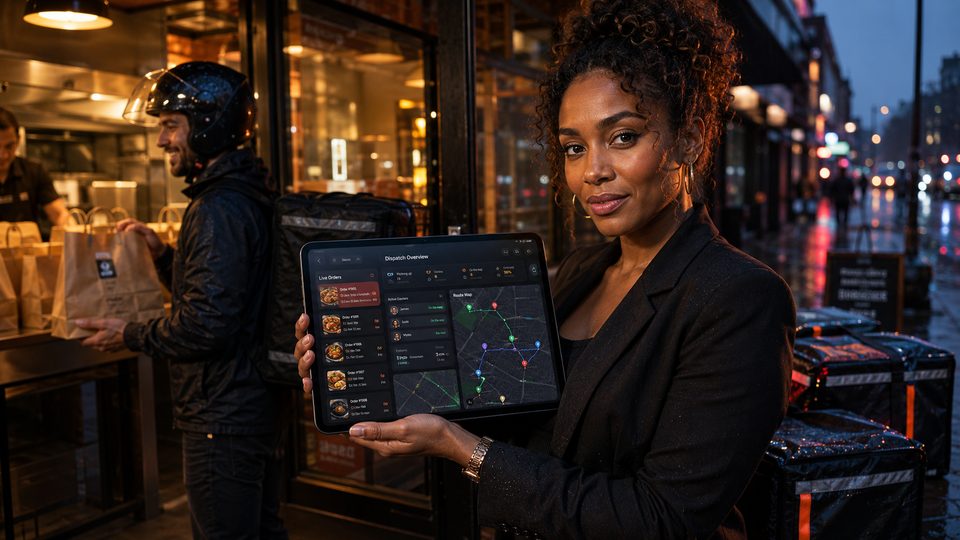 Delivery ManagementManaging Delivery DensityDelivery density is the concentration of compatible orders in an area and time period. It can improve driver utilisation, but it should not be re…Read guide →
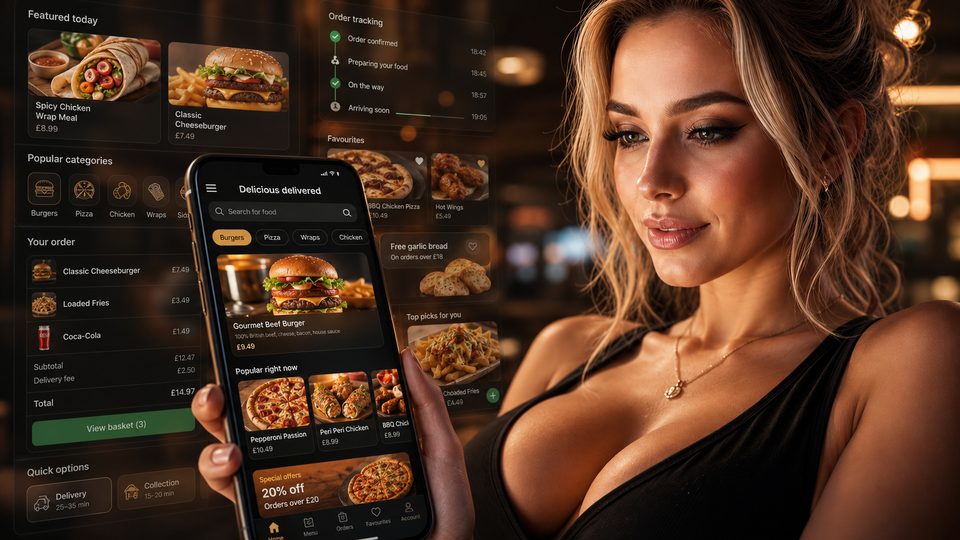 Delivery ManagementLive Order Tracking for CustomersCustomer tracking should reduce uncertainty, not create a false promise. A simple, accurate sequence of statuses can be more useful than a moving…Read guide →Delivery ManagementHow to Reduce Failed DeliveriesReduce failed deliveries by improving the order before dispatch, making promises from real capacity and giving drivers a safe, consistent excepti…Read guide →Delivery ManagementHow to Plan Driver TrackingDriver tracking should begin with a documented operational need, not a map feature. This method helps a takeaway choose the minimum system needed…Read guide →
Connect customer ordering with operations and profit
Use the wider guide library to check the menu, kitchen, fulfilment, payment and financial implications of each decision.
Browse all practical guides