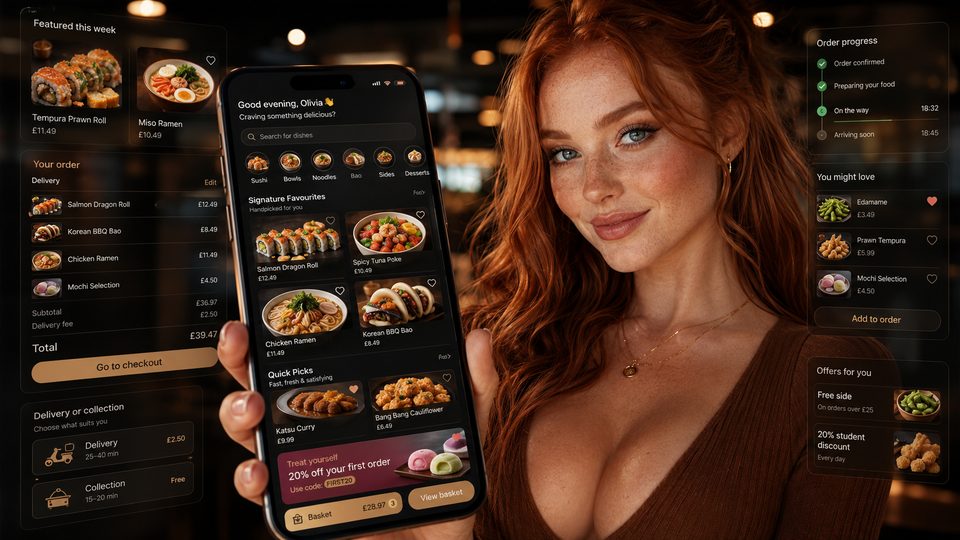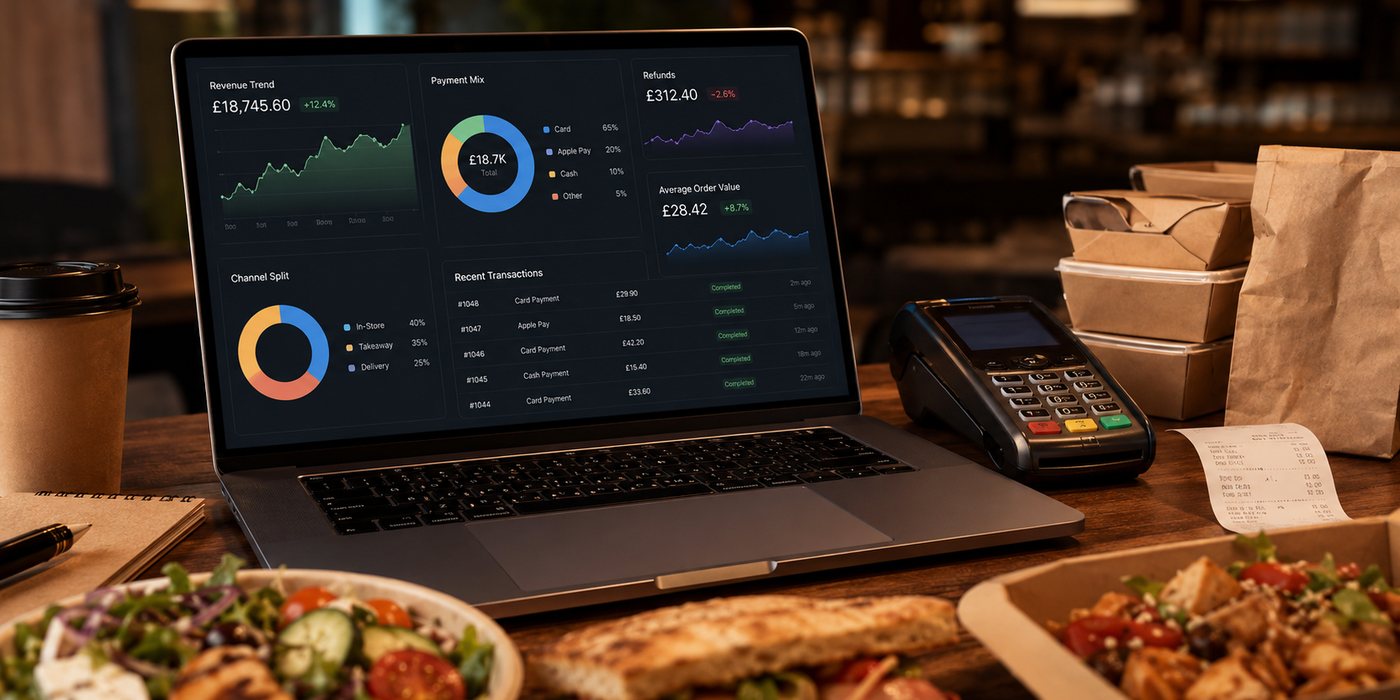
Launch an app as an operational change, then earn adoption by making the direct ordering experience reliably useful. Downloads without successful repeat orders are not a launch result.
Prepare the operation first
Before promotion, verify the menu, capacity, payments, kitchen routing, refunds, support and outage process. Staff should know how app orders appear and who owns an exception. A marketing campaign should not be the first real load test.
Use launch stages
| Stage | Audience | Purpose |
|---|---|---|
| Internal test | Staff and project team | Find obvious defects and unclear ownership |
| Operational pilot | Small invited customer group | Validate live orders and support |
| Limited release | Selected existing customers or locations | Measure adoption without uncontrolled demand |
| Broader promotion | Eligible audience | Scale only after stable evidence |
Plan store submission as a dependency
Apple and Google review apps and updates against changing technical, content, privacy and policy requirements. Keep the business’s developer accounts, listing assets, privacy information and reviewer access ready. Do not announce a fixed public date until the approved release is actually available.
Give customers a useful reason
The app may offer faster repeat ordering, clearer loyalty, account-level preferences or a service not available on the website. An incentive can start trial, but it should not hide a weak product or train every customer to wait for a discount.
Train the whole customer path
- Front counter can explain the app without blocking service.
- Kitchen can recognise and process app orders.
- Customer support can diagnose app, payment and order problems.
- Managers can pause promotion or capacity.
- Marketing staff understand consent and opt-out requirements.
Measure adoption as a funnel
Track exposure to the invitation, store or web visit, install where applicable, account or guest start, first completed order, second order and later active ordering. Diagnose the stage where people stop rather than reporting the total download count.
Create a launch-readiness gate
- Store and developer accounts are controlled by the business or governed contractually.
- Privacy information and store disclosures match the live data flow.
- Menu, payments, kitchen routing, refunds and support have passed operational tests.
- Staff can recognise and recover failed app orders.
- Promotion terms, capacity and funding are approved.
- Rollback and customer communication are ready.
A marketing deadline should not override a failed readiness item.
Plan the support load
The first customers will expose account recovery, device compatibility, store listing, payment and promotion problems. Define the first-line owner, supplier escalation route, response hours and evidence to collect. Publish a support route that works for customers who cannot open the app.
Use staged adoption targets
| Stage | Main question | Useful measure |
|---|---|---|
| Internal test | Can the full order flow operate? | Critical defects and recovery time |
| Invited pilot | Can real customers complete and repeat? | First-order completion and support contacts |
| Limited promotion | Can the kitchen absorb demand? | Order accuracy, promise performance and contribution |
| Broader launch | Does adoption remain healthy? | Repeat cohorts, retention and funded incentive cost |
Review publisher and policy dependencies
Store requirements and policy deadlines change. Assign a person or supplier obligation to monitor them, maintain accurate metadata and keep developer-account details current. Do not assume an accepted first version guarantees future updates.
Related guides
- Restaurant Apps — the main guide for the wider topic.
- App Retention and Engagement — a detailed next step for putting this guidance into practice.
- Getting Customers to Download and Use the App — a detailed next step for putting this guidance into practice.
- App Features and Functionality — a closely related operational control to review alongside this page.
- Takeaway App Cost and Budgeting — a closely related operational control to review alongside this page.
- Phased rollout strategies — a connected decision that can change the recommended approach.
Sources and recheck points
Guidance checked: 24 July 2026. Recheck official guidance and supplier documentation before changing a live process.