App Retention and Engagement
Retention means customers continue to receive enough value to order through the app. It is not the same as keeping notifications switched on or the app installed.
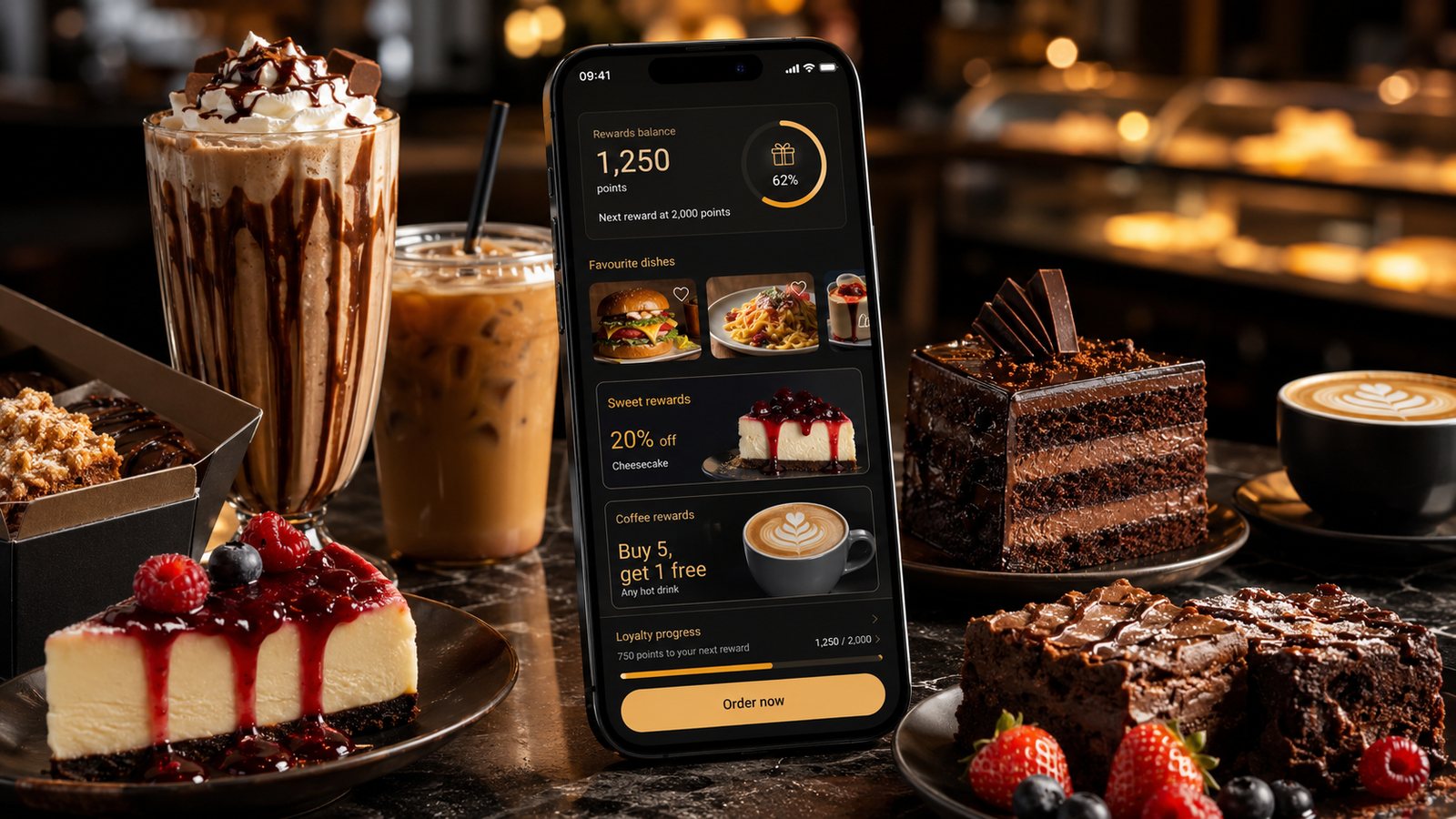
Retention means customers continue to receive enough value to order through the app. It is not the same as keeping notifications switched on or the app installed.
Define active use for the business
For most takeaways, a meaningful active user has completed an order in a relevant period. The correct period depends on natural purchase frequency. Report cohorts from first order, not only calendar averages, and separate customers acquired through heavy incentives.
Fix operational reasons for churn
- Wrong menu or availability.
- Slower ordering than the website.
- Failed payments or missing orders.
- Unclear loyalty value.
- Poor support after a delivery issue.
- Forced account or notification choices.
A new campaign cannot compensate for repeated operational failure.
Use push notifications proportionately
Promotional push messages should be treated as direct marketing and assessed under the relevant UK rules. Make preferences clear, keep frequency defensible and provide an easy route to stop marketing. Service notifications about a live order should remain distinct.
Design loyalty around a sustainable behaviour
Choose points, stamps or benefits that customers can understand and the operation can honour. Record funding, redemption, expiry and refund handling. Do not make the value dependent on undisclosed exclusions.
Keep the app useful between campaigns
- Accurate menu and opening status.
- Fast repeat journey.
- Visible loyalty balance where applicable.
- Current support route.
- Relevant seasonal content without constant redesign.
- Secure account and preference controls.
Measure healthy retention
| Metric | What it can show | Caution |
|---|---|---|
| Second-order rate | Whether first use creates repeat value | Allow for normal order frequency |
| Cohort active orders | Sustained ordering by launch group | Separate incentive effects |
| Notification conversion | Response to a message | Do not reward excessive frequency |
| Uninstall or opt-out signal | Possible dissatisfaction | Platform data may be incomplete |
| Support and refund rate | Operational quality | Use cause, not only total |
Run controlled tests
Change one meaningful element, define a customer and operational guardrail, and stop the test if complaints, margin or kitchen load deteriorate. Avoid dark patterns that make consent or cancellation harder.
Use cohort reporting that matches purchase behaviour
| Cohort question | Useful split |
|---|---|
| Did customers return? | First-order month and natural reorder window |
| Was retention bought? | Incentivised and non-incentivised first orders |
| Is the app the cause? | App, website and marketplace customers with comparable context |
| Is retention healthy? | Contribution, complaints and successful completion alongside order count |
Create a churn-diagnosis routine
Review account and checkout errors, out-of-stock events, delivery promises, notification opt-outs, loyalty disputes, refunds and support contacts before planning another campaign. Interview a small number of lost and active customers where appropriate rather than inferring every reason from analytics.
Govern campaigns and experiments
Record the audience, lawful marketing basis, message, frequency, funded value, capacity limit, success measure and stop rule. Service messages about a live order must remain operational. Promotional push messages should be identifiable and easy to stop.
Support account control
Customers should be able to update preferences, recover access and use the relevant account-deletion route without losing an unresolved order or refund. Define how loyalty balances and legally required transaction records are handled when an account is closed.
Related guides
- Restaurant Apps — the main guide for the wider topic.
- App Launch and Adoption — the broader guide that frames this implementation.
- How to Plan a Restaurant App Launch — a closely related operational control to review alongside this page.
- Getting Customers to Download and Use the App — a closely related operational control to review alongside this page.
Sources and recheck points
Guidance checked: 24 July 2026. Recheck official guidance and supplier documentation before changing a live process.
Operational, legal and platform requirements can change. Recheck official guidance and supplier documentation before altering a live service.
Related practical guides
 Restaurant AppsProgressive Web Apps for TakeawaysA progressive web app can provide an install-like web ordering experience while retaining a web distribution model. It should be chosen for the r…Read guide →
 Restaurant AppsHow to Plan a Restaurant App LaunchPlan an app launch through operational readiness, store submission, controlled customer testing and measurable adoption. Do not let a marketing d…Read guide →
 Restaurant AppsHow Much Does a Takeaway App Cost?The price depends less on the number of screens than on the ordering system, integrations, ownership, support and change burden behind them.Read guide →Restaurant AppsGetting Customers to Download and Use the AppPromote an app to customers for whom it solves a real repeat-order problem, then measure successful use rather than raw downloads.Read guide →Restaurant AppsEssential Features of a Restaurant Ordering AppAn essential app feature is one without which a customer cannot place a clear, payable and operationally achievable order—or the business cannot …Read guide →Restaurant AppsCustom-Built Restaurant AppsA custom app is justified when the business has a valuable requirement that available platforms cannot meet and can fund the product throughout i…Read guide →
Connect customer ordering with operations and profit
Use the wider guide library to check the menu, kitchen, fulfilment, payment and financial implications of each decision.
Browse all practical guides