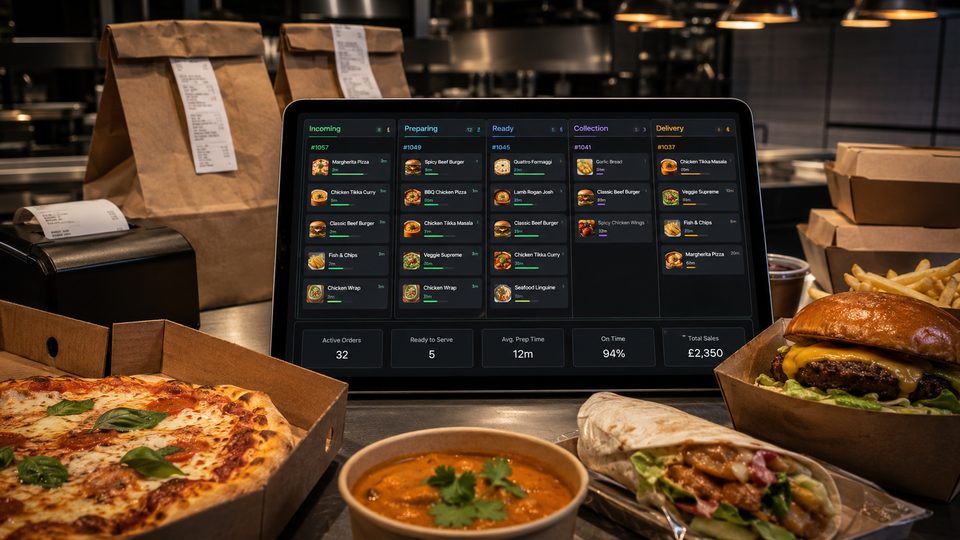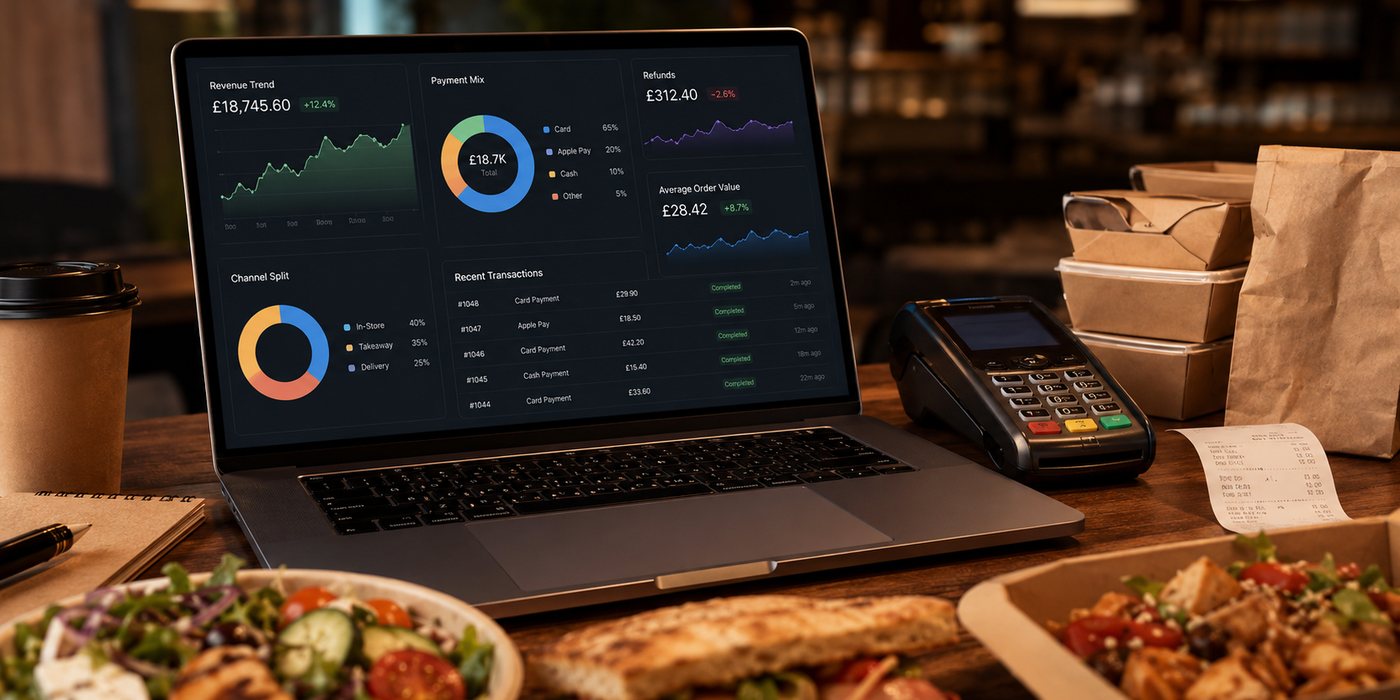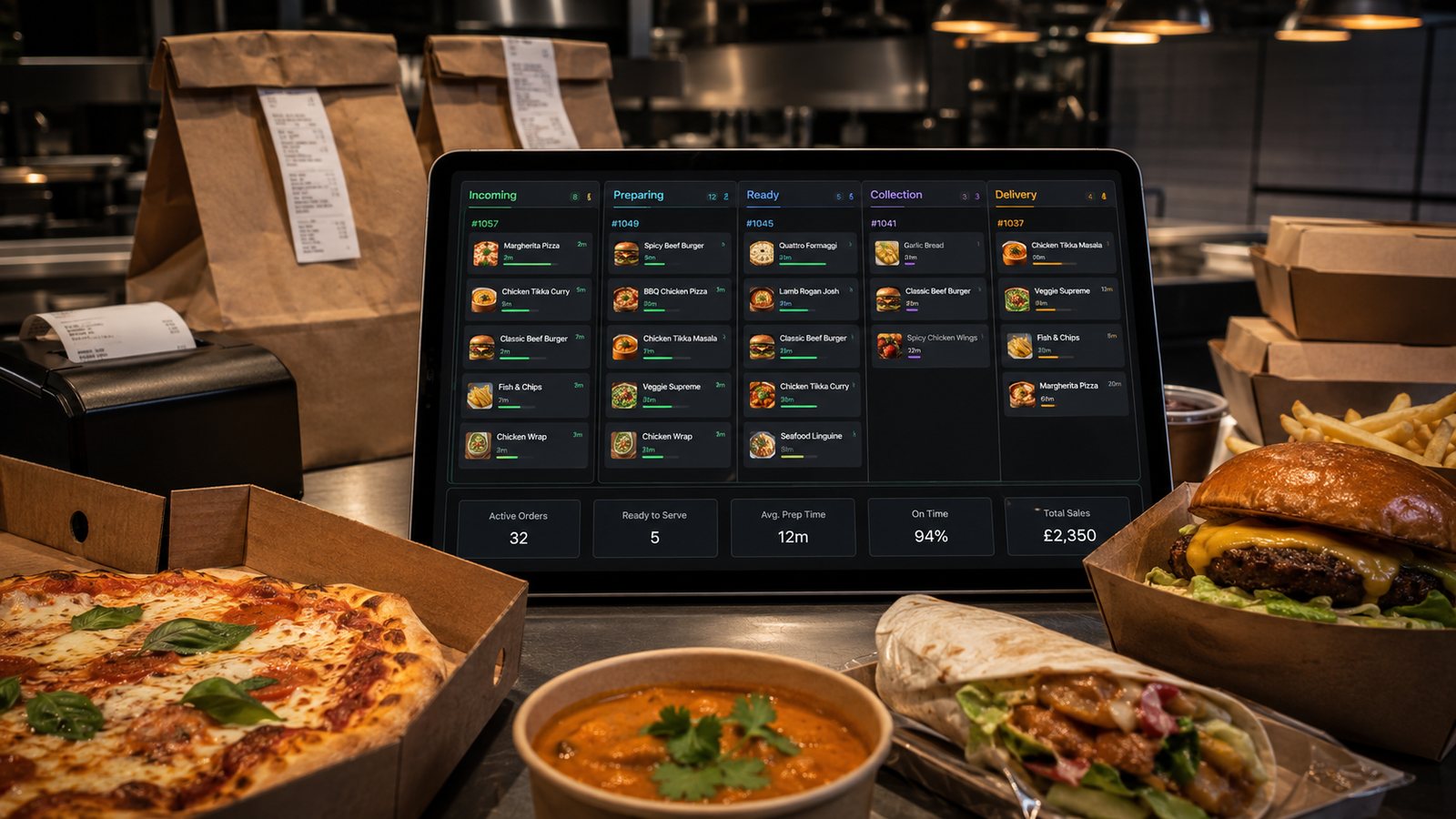
Every ordering channel needs the same food, pricing and capacity discipline, but the customer interaction, evidence, payment and recovery steps are not identical. Define those differences instead of forcing one workflow onto every source.
Keep the shared core
Telephone, walk-in, website, app, marketplace and approved social routes should use the same product identifiers, allergen source, capacity view, kitchen routing, quality check and incident record. Channel-specific operation begins only where the method of interaction creates a genuine difference.
| Channel | Distinct control | Common failure |
|---|---|---|
| Telephone | Verbal read-back and controlled POS entry | Handwritten order outside the shared queue |
| Walk-in | Visible queue and immediate clarification | Counter urgency distorts kitchen priority |
| Direct website or app | Owned checkout, permissions and support | Payment succeeds without confirmed order |
| Marketplace | Provider contract, statement and remedy route | Restaurant and platform both compensate |
| Social media | Move conversation to a controlled ordering route | Orders remain in informal messages |
Telephone orders
Enter the order directly into the POS or controlled order system while speaking to the customer. Confirm item, modifier, fulfilment, address, contact, price and time. Read back the complete order. Complex allergen enquiries should follow an approved escalation procedure rather than relying on memory or an improvised reassurance.
Walk-in orders
Optimise the POS layout for fast, accurate counter entry, but keep the order in the same kitchen queue as digital demand. Show customers an honest waiting time. Use a collection or order number rather than calling personal details across a busy room. During peaks, assign a counter host so the person taking payment is not also searching for completed delivery orders.
Direct digital orders
The business controls more of the customer journey and therefore must control menu accuracy, full price, checkout recovery, privacy information and support. Separate service communication from marketing. Maintain a clear route for order correction, cancellation, refund and account deletion where applicable.
Marketplace orders
Preserve the provider order ID and contract-specific evidence. Define who can change or cancel an order, who communicates with the customer and who submits a refund. Reconcile provider deductions rather than treating the bank payout as sales. Test what happens when the platform, integration or driver assignment fails.
Social-media enquiries and orders
Social media is strongest as discovery and conversation. Direct messages are a weak long-term order database: messages can be missed, details are unstructured, permissions are broad and payment status is difficult to reconcile. Use a maintained ordering link or controlled telephone process. When an exceptional order is accepted in a message, enter it immediately into the shared order record and provide privacy information appropriate to the data collected.
Define channel owner and fallback
- Who monitors the channel during every service period?
- Who can pause it?
- How does the order enter the kitchen?
- How is payment confirmed?
- Who owns customer support and refunds?
- What is the fallback when the normal tool fails?
Review exceptions by channel
Compare corrections, missed orders, promise failures, refunds, support contacts and unmatched payments. Use comparable order types and time periods. The aim is not to make every channel identical; it is to understand and control the extra work each one creates.
Related guides
- Cross-Channel Operations — the main guide for the wider topic.
- Social Media Ordering — a detailed next step for putting this guidance into practice.
- Telephone Orders Alongside Digital — a detailed next step for putting this guidance into practice.
- Operational Efficiency — a closely related operational control to review alongside this page.
- Multi-Channel Order Management — a closely related operational control to review alongside this page.