Social Media Ordering
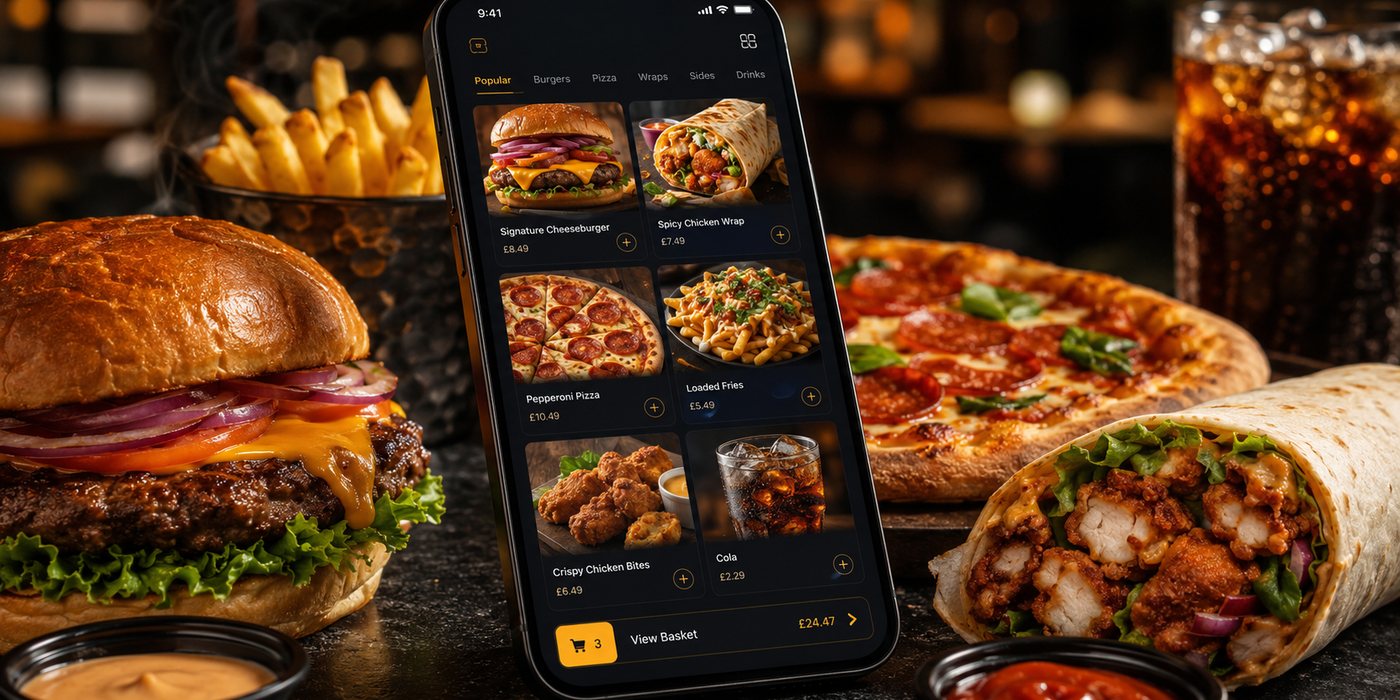
Social media is effective for discovery and customer conversation, but direct messages are rarely a reliable primary ordering system. Move customers into a controlled checkout or documented order process before taking…
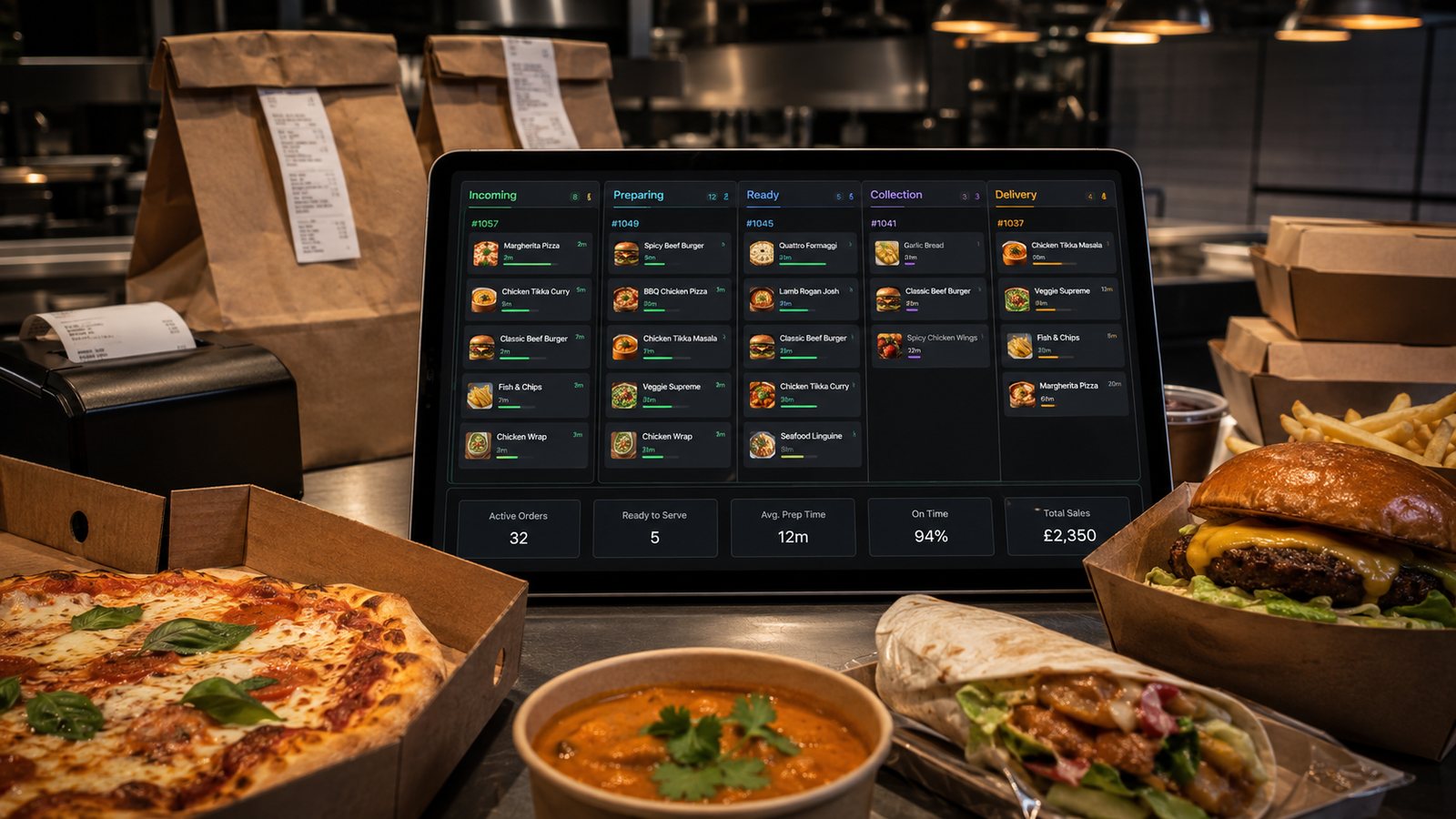
Social media is effective for discovery and customer conversation, but direct messages are rarely a reliable primary ordering system. Move customers into a controlled checkout or documented order process before taking payment and committing kitchen capacity.
Define what “social ordering” means
| Model | Suitable use | Main limitation |
|---|---|---|
| Profile ordering link | Directs customers to maintained web or app checkout | Link, menu and campaign must remain current |
| Structured platform integration | May send approved fields into an ordering provider | Capability and responsibility vary by supplier |
| Direct-message enquiry | Questions, large-order enquiry or support | Unstructured, easy to miss and difficult to reconcile |
| Exceptional message order | Controlled fallback with manual entry | Requires immediate transfer to the shared order record |
Use social media as the front door, not the order database
Publish one clear ordering link and explain delivery area, collection availability and support route. Keep the landing page maintained when the menu, opening hours or provider changes. Avoid asking customers to post addresses, telephone numbers or order details publicly. A comment should never become an accepted order.
Design a direct-message triage
- General question: answer from an approved knowledge source.
- Order enquiry: send the controlled checkout or telephone route.
- Large or unusual order: collect only necessary details, then create a formal order record.
- Allergen question: use the approved escalation process; do not improvise a guarantee.
- Complaint: move the conversation to a private, verified support route.
Control personal data
If staff collect a name, contact detail, address or order information in a message, the business is processing personal data. Provide appropriate privacy information, restrict staff access and define retention. Do not add a person to email, SMS or other direct marketing merely because they contacted the page or placed an order. Marketing rules apply separately from service communication.
Confirm the order before production
An accepted order needs an internal ID, items, modifiers, fulfilment, address or collection detail, price, payment state, promised time and contact route. Read or send back the full summary and obtain clear confirmation. Enter it into the POS or shared order system immediately so that capacity, kitchen routing and reconciliation include it.
Do not improvise payment handling
Use the normal secure checkout, approved payment link or controlled telephone process. Never ask a customer to send card details in a social message. Define how staff verify that an approved payment link belongs to the business and what happens when the customer sees a payment but the order is not confirmed.
Manage responsiveness honestly
State when messages are monitored. Use automatic replies to set expectations and provide the ordering link, not to pretend an order has been accepted. Assign a shift owner and an escalation route. During busy periods, pause promotional posts or message-based ordering if the operation cannot respond reliably.
Measure the right outcome
- Clicks from maintained social links to the ordering route.
- Completed orders rather than message volume.
- Message response and transfer time.
- Orders requiring manual correction.
- Complaints caused by missed or misunderstood messages.
- Marketing opt-outs and privacy complaints.
Related guides
- Cross-Channel Operations — the main guide for the wider topic.
- Channel-Specific Operations — the broader guide that frames this implementation.
- Walk-In Orders with Digital Systems — a closely related operational control to review alongside this page.
- Telephone Orders Alongside Digital — a closely related operational control to review alongside this page.
Sources and date checked
Guidance checked: 24 July 2026. Platform features change; verify current supplier capability before advertising social ordering.
Operational, legal and platform requirements can change. Recheck official guidance and supplier documentation before altering a live service.
Related practical guides
 Cross-Channel OperationsWalk-In Orders with Digital SystemsWalk-in customers make the queue visible, but they still share the same kitchen, stock and capacity as remote orders. Counter service should be f…Read guide →Cross-Channel OperationsTelephone Orders Alongside DigitalTelephone orders can remain valuable for accessibility, complex enquiries and customers who prefer human help. The operational requirement is to …Read guide →Cross-Channel OperationsStaffing for Digital OrdersDigital demand creates an invisible queue and new control work. Staff the workload at intake, kitchen, packing, handover, support and reconciliat…Read guide →Cross-Channel OperationsReducing Kitchen Load from Online OrdersReduce digital workload by controlling product complexity, preparation, batching, capacity and information quality. Do not solve an overloaded ki…Read guide →Cross-Channel OperationsOrder Timing and Prep ManagementA preparation promise should be generated from real workload and fulfilment conditions, then updated when those conditions change. One fixed time…Read guide →
 Online OrderingMarketplace Commission StructuresMarketplace cost is rarely one simple percentage. The total depends on the provider, contract, delivery model, promotions, payment treatment, ref…Read guide →
Connect customer ordering with operations and profit
Use the wider guide library to check the menu, kitchen, fulfilment, payment and financial implications of each decision.
Browse all practical guides