How to Migrate Ordering Platforms
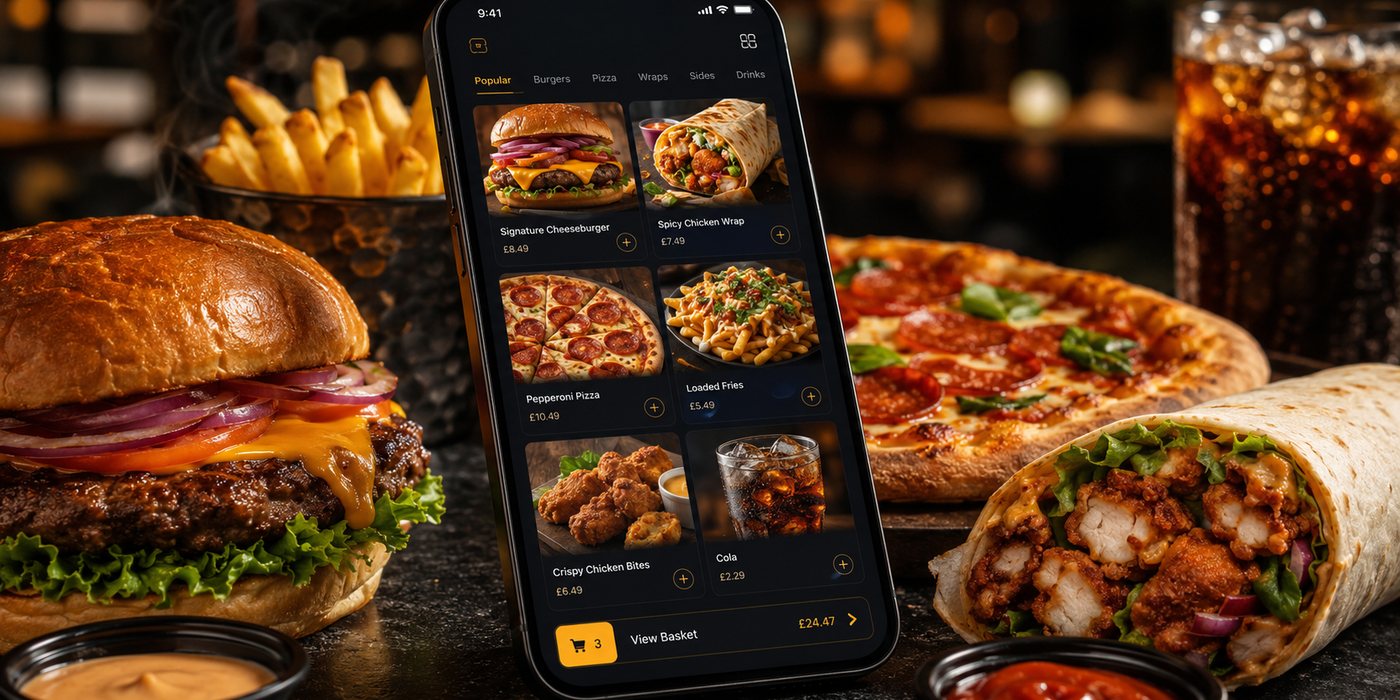
Migrating ordering platforms is an operational cutover involving menu data, customer journeys, payments, kitchens, reporting and supplier exit. A visually complete new site is not ready if orders route incorrectly, re…

Migrating ordering platforms is an operational cutover involving menu data, customer journeys, payments, kitchens, reporting and supplier exit. A visually complete new site is not ready if orders route incorrectly, refunds cannot be reconciled or staff have no fallback.
Step 1: define scope and ownership
- Website, app, marketplace and telephone-order integrations
- Domain, DNS, app-store and developer-account ownership
- Menu, item IDs, modifiers, prices and availability
- Customer accounts, preferences, loyalty balances and suppression
- Payments, refunds, statements and settlement history
- POS, KDS, printers, delivery and analytics
- Support, data export, contract exit and deletion
Step 2: create a migration ledger
| Asset | Source | Target | Acceptance evidence | Rollback |
|---|---|---|---|---|
| Menu item | Old platform ID | New ID | Price, modifiers, routing and availability test | Old menu remains controlled |
| Customer preference | Source and wording | Target status | Sample evidence and suppression match | Quarantine uncertain records |
| Loyalty balance | Old ledger | New ledger | Opening balance and adjustment audit | Export retained and correction route |
| Payment | Provider/token model | New provider or integration | Success, decline, refund and reconciliation tests | Defined channel reversal |
Step 3: clean before moving
Do not migrate obsolete products, duplicate customers, unknown marketing records and unused admin accounts merely because they exist. Preserve legal and financial records separately from live operational data.
Step 4: test representative journeys
- Delivery and collection across zone boundaries
- Complex modifiers and unavailable items
- Guest and account checkout
- Success, decline, duplicate and delayed payment
- Refund, cancellation and complaint
- Marketplace, direct and telephone orders in one kitchen queue
- Reporting, settlement and bank reconciliation
- Accessibility and common mobile devices
Step 5: use a staged cutover
Move one location, channel or low-risk period first. Define go/no-go and rollback triggers before launch. Keep old access and support contacts available until all open orders, refunds and settlements are reconciled.
Step 6: communicate accurately
Tell customers about material account, loyalty or payment changes. Do not claim stored cards will migrate unless the providers confirm a secure supported process. Staff need a concise change guide and escalation route.
Step 7: close the old system safely
Export required records, verify deletion or retention obligations, revoke users and agency access, settle invoices and document redirects. Test that no channel still sends orders to the retired endpoint.
Practical next step: build the migration ledger before signing the final cutover date. If ownership, export or rollback is unknown for a critical asset, keep the migration in planning.
Protect discoverability and customer trust
Plan canonical URLs, redirects, app-store listings, map links, QR codes and saved customer bookmarks. Avoid running two conflicting menus under the same brand. Clearly identify the live ordering route during coexistence.
After cutover, monitor failed links, payment errors, unknown orders, unmatched settlements and customer contacts. Keep an incident command channel and daily reconciliation until the new system is stable across a full busy period.
Schedule a formal 30-day review after launch. Confirm data exports, support ownership, contract milestones and unresolved workarounds before declaring the old platform safely retired.
Related guides
- Online Ordering — the main guide for the wider topic.
- Multi-Location Ordering — the broader guide that frames this implementation.
- Multi-Location Restaurant Ordering Systems: What Changes — a closely related operational control to review alongside this page.
Sources and date checked
Guidance checked: 24 July 2026. Recheck official guidance and supplier documentation before changing a live system.
Operational, legal and platform requirements can change. Recheck official guidance and supplier documentation before altering a live service.
Related practical guides
 Online OrderingHow to Design Checkout for TakeawayA takeaway checkout should confirm a clear order, a realistic fulfilment promise and a transparent total price with as little unnecessary effort …Read guide →
 Online OrderingFood Hygiene Ratings and Online OrderingA hygiene rating is an official snapshot of standards found at an inspection. Displaying it accurately can build trust, but the rating should not…Read guide →
 Online OrderingConversion Rate Optimisation for OrderingConversion-rate optimisation for takeaway ordering should remove avoidable confusion and failure, not pressure customers into unsuitable orders. …Read guide →
 Online OrderingCollection and Click-and-Collect SetupClick-and-collect removes driver and delivery-zone complexity, but it does not remove the need for capacity control. A poor setup moves the queue…Read guide →
 Online OrderingHow to Reduce Dependence on Delivery MarketplacesReducing marketplace dependence should not mean switching off a channel that still brings useful demand. The safer objective is to build a direct…Read guide →Online OrderingHow to Handle Busy PeriodsA busy period becomes damaging when orders enter faster than the kitchen, packing area or delivery operation can complete them. The solution is n…Read guide →
Connect customer ordering with operations and profit
Use the wider guide library to check the menu, kitchen, fulfilment, payment and financial implications of each decision.
Browse all practical guides