Food Hygiene Ratings and Online Ordering
A hygiene rating is an official snapshot of standards found at an inspection. Displaying it accurately can build trust, but the rating should not be used as a permanent guarantee, a food-quality score or a substitute…
A hygiene rating is an official snapshot of standards found at an inspection. Displaying it accurately can build trust, but the rating should not be used as a permanent guarantee, a food-quality score or a substitute for current hygiene controls.
Identify the scheme used in the nation
| Nation | Scheme | Display point to verify |
|---|---|---|
| England | Food Hygiene Rating Scheme, usually 0 to 5 | Premises display is encouraged; verify current legal position and online presentation. |
| Wales | Food Hygiene Rating Scheme | Physical display requirements apply; verify the current official guidance. |
| Northern Ireland | Food Hygiene Rating Scheme | Physical display requirements apply; verify the current official guidance. |
| Scotland | Food Hygiene Information Scheme | Use the current FHIS result and terminology rather than converting it to a 0–5 score. |
Publish only the current official result
Use the correct premises, business name and official rating source. Multi-location operators must not display a strong branch rating as though it covers the whole brand. Do not redraw, recolour or crop an official image in a way that could mislead. Record the date of the source check and remove cached assets after a changed rating.
Place the rating where it is useful
If the business chooses or is required to display the rating online, place it on the correct location page and near the ordering journey rather than hiding it in a corporate footer. Link to the official search result where practical. Marketplaces may import ratings through their own process, so the restaurant should verify accuracy and know how to request a correction.
Do not claim more than the scheme measures
- Do not call a rating a guarantee of food safety.
- Do not describe it as a measure of taste or food quality.
- Do not conceal a current lower result behind an old promotional image.
- Do not imply that an appeal or requested revisit has already changed the official rating.
- Do not use another premises' rating for a shared kitchen, dark kitchen or relocated branch.
Connect improvement work to the online operation
Use inspection findings to improve cleaning, food handling, management controls, records, allergen processes and staff competence. Online ordering can introduce additional failure points: stale menus, unapproved substitutions, delivery-stage allergen information, packaging and handover. Include these in the improvement plan even if the digital platform was not the central focus of the inspection.
Handle a changed or disputed rating
- Confirm the official result and premises record.
- Update owned channels and notify marketplaces.
- Preserve the inspection and correction evidence.
- Use the official appeal, right-to-reply or revisit process where applicable.
- Communicate factual progress without claiming a new rating before publication.
- Retest online food information after corrective changes.
Practical next step
Search the official rating for every trading location and compare it with the website, app, marketplace listings and saved marketing images. Assign one owner for updates after inspections, appeals, revisits and changes of premises.
Related guides
- Online Ordering — the main guide for the wider topic.
- Online Compliance and Food Safety — the broader guide that frames this implementation.
- Dietary Requirements on Digital Menus — a closely related operational control to review alongside this page.
- How to Handle Allergens Online — a closely related operational control to review alongside this page.
Sources and date checked
Guidance checked: 24 July 2026. Recheck official guidance, local requirements and supplier documentation before changing a live operation.
Operational, legal and platform requirements can change. Recheck official guidance and supplier documentation before altering a live service.
Related practical guides
 Online OrderingHow to Handle Allergens OnlineA safe online allergen process connects approved recipes, supplier specifications, menu data, trained staff, kitchen controls and delivery-stage …Read guide →
 Online OrderingHow to Design Checkout for TakeawayA takeaway checkout should confirm a clear order, a realistic fulfilment promise and a transparent total price with as little unnecessary effort …Read guide →
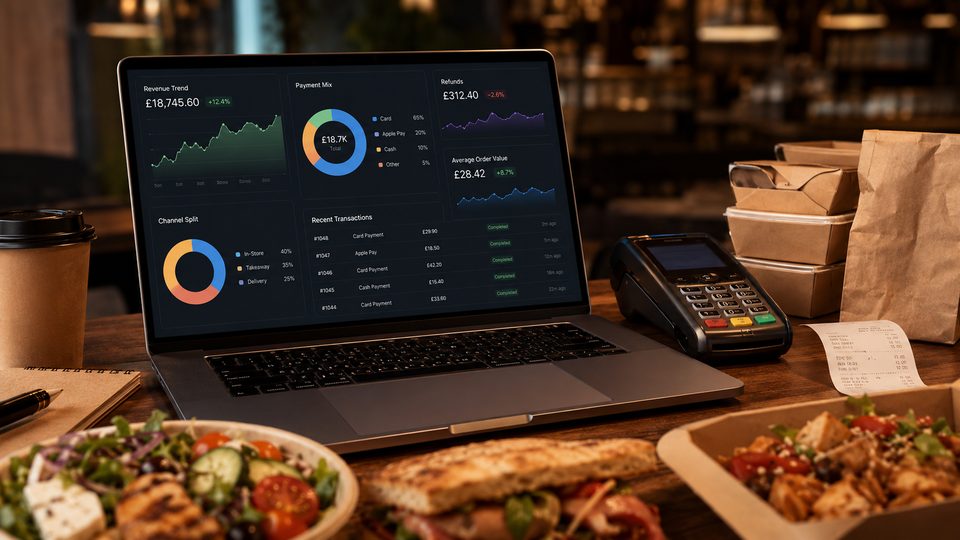 Online OrderingConversion Rate Optimisation for OrderingConversion-rate optimisation for takeaway ordering should remove avoidable confusion and failure, not pressure customers into unsuitable orders. …Read guide →
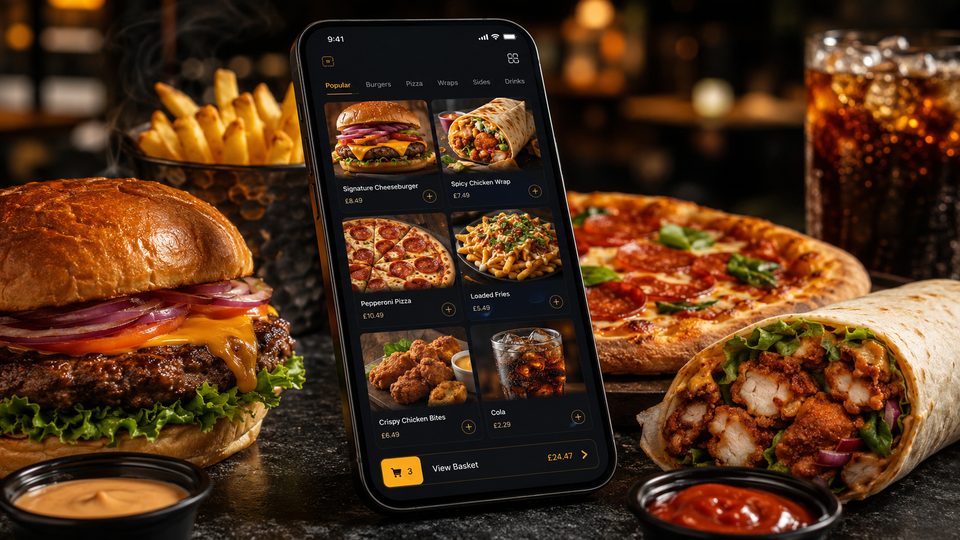 Online OrderingCollection and Click-and-Collect SetupClick-and-collect removes driver and delivery-zone complexity, but it does not remove the need for capacity control. A poor setup moves the queue…Read guide →
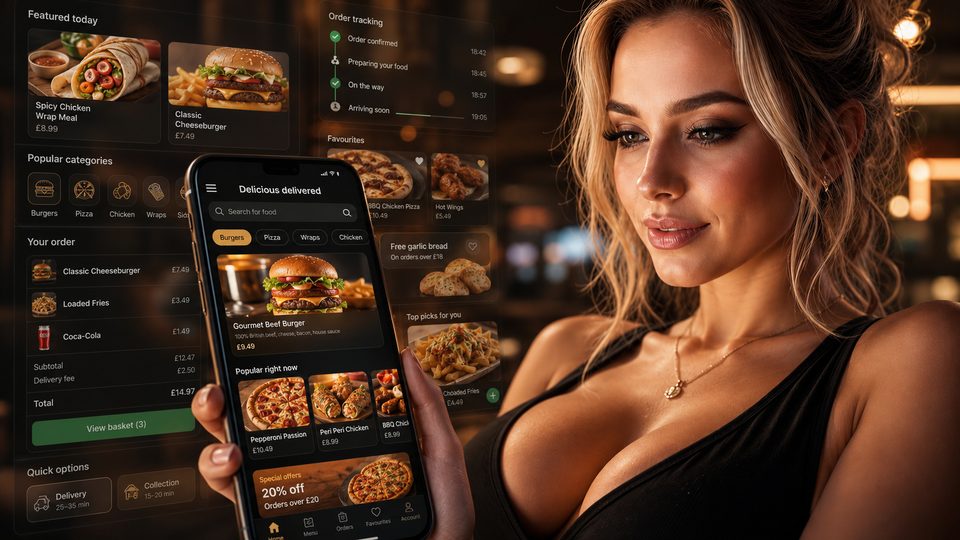 Online OrderingHow to Reduce Dependence on Delivery MarketplacesReducing marketplace dependence should not mean switching off a channel that still brings useful demand. The safer objective is to build a direct…Read guide →Online OrderingHow to Handle Busy PeriodsA busy period becomes damaging when orders enter faster than the kitchen, packing area or delivery operation can complete them. The solution is n…Read guide →
Connect customer ordering with operations and profit
Use the wider guide library to check the menu, kitchen, fulfilment, payment and financial implications of each decision.
Browse all practical guides