Conversion Rate Optimisation for Ordering
Conversion-rate optimisation for takeaway ordering should remove avoidable confusion and failure, not pressure customers into unsuitable orders. The best changes also reduce kitchen corrections, payment uncertainty an…
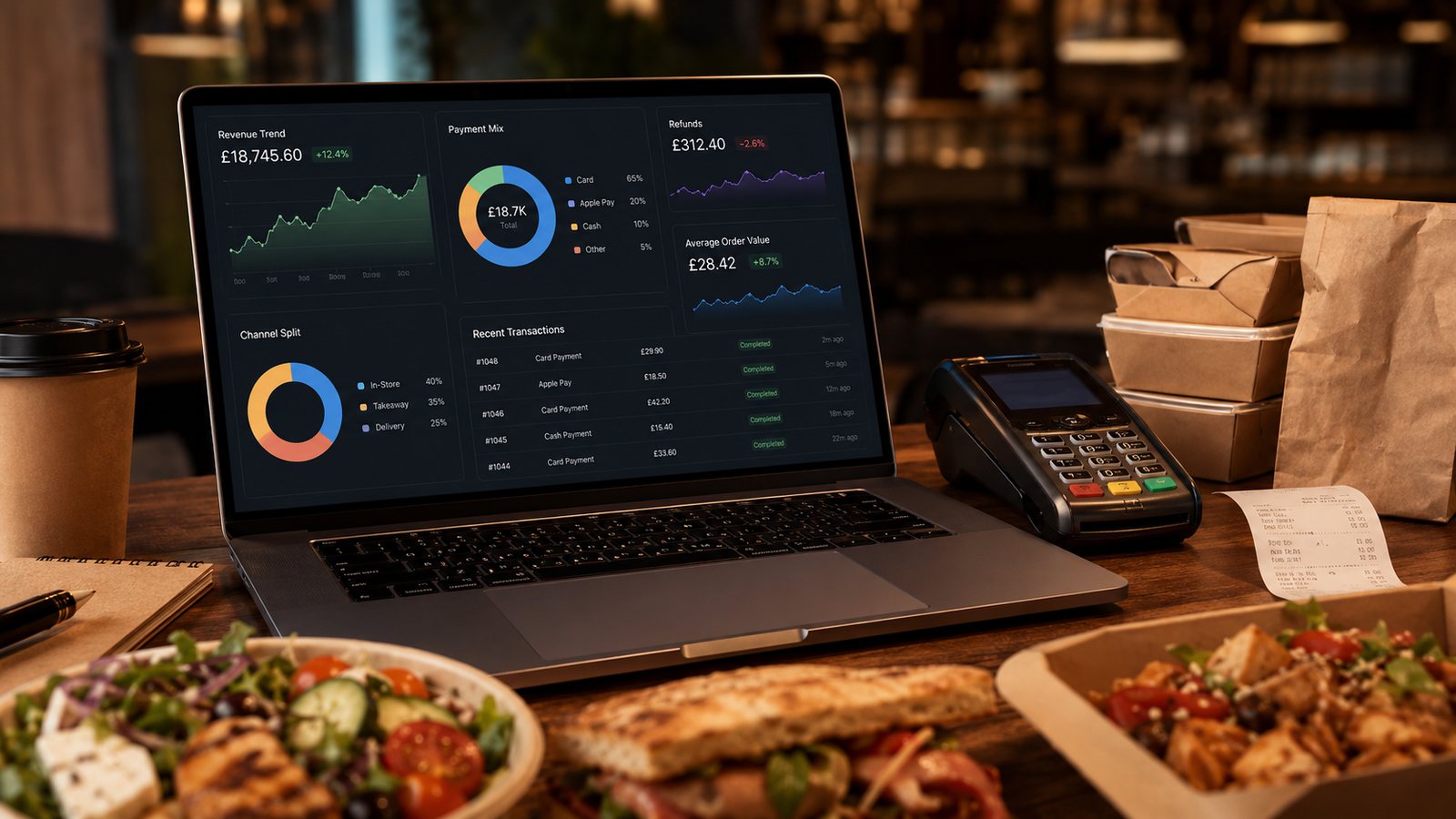
Conversion-rate optimisation for takeaway ordering should remove avoidable confusion and failure, not pressure customers into unsuitable orders. The best changes also reduce kitchen corrections, payment uncertainty and support contacts. A higher checkout rate is not beneficial if refunds, late deliveries or low-margin demand rise faster.
Define the valid funnel
Use eligible sessions or journeys rather than all page views. Separate closed locations, out-of-zone addresses, bots, staff tests and unavailable service periods. Track the stages that the business can explain:
- Menu or ordering entry
- Orderable location and fulfilment selected
- Basket started
- Checkout started
- Payment submitted
- Order accepted
- Order completed
Diagnose by failure type
| Symptom | Possible cause | Evidence |
|---|---|---|
| Exit before basket | Menu, availability, price or performance problem | Search, item views, sold-out and page speed |
| Exit after address | Zone, minimum or fee surprise | Address result and total-price display |
| Exit at modifiers | Confusing or impossible choices | Validation errors and support calls |
| Payment drop | Gateway, authentication or unknown state | Provider response and duplicate attempts |
| Accepted but later refunded | Capacity or availability failure | Kitchen, refund and complaint record |
Prioritise clarity and recovery
- Show delivery or collection availability early.
- Display the total price and unavoidable charges clearly.
- Use understandable modifier labels and errors.
- Keep basket contents visible before payment.
- Provide a safe response to delayed or uncertain payment.
- Preserve the basket after recoverable failure.
- Offer accessible support without forcing public disclosure.
Avoid manipulative choice architecture
Do not use false urgency, preselected optional charges, hidden fees or confusing opt-outs to increase the metric. UK consumer law considers not only claims but how online interfaces influence decisions. Optimisation should improve informed choice.
Run controlled experiments
Change one meaningful factor where possible. Define primary and guardrail metrics before launch. Include completed-order contribution, refunds, complaints, support and kitchen load. Keep a rollback and a minimum observation period.
Respect analytics consent
Where non-essential cookies or similar technologies are used, explain them and obtain valid consent. A consent refusal must not be treated as an abandoned customer or used to degrade the ordering service.
Practical next step: review 20 recent failed journeys and assign each to price, availability, address, modifier, payment, performance or unknown. Fix the largest verified failure before changing page colours or button wording.
Include accessibility and device diversity
Test keyboard navigation, screen-reader labels, focus, error messages, zoom, colour contrast and touch targets. A change that raises conversion for one device while blocking another group is not a successful optimisation. Include older phones and slow connections representative of the audience.
Keep a change ledger
Record hypothesis, screenshots, implementation date, audience, result and rollback. Supplier releases, menu changes and campaigns can affect the same metric, so note concurrent changes. Do not preserve a statistically positive result if support and operational evidence show harm.
Review the accepted change after several weeks to ensure the improvement persists outside the test period.
Related guides
- Online Ordering — the main guide for the wider topic.
- Online Ordering Data and Analytics — the broader guide that frames this implementation.
- Cart Abandonment Recovery — a closely related operational control to review alongside this page.
- What Data Should a Restaurant Ordering System Track? — a closely related operational control to review alongside this page.
Sources and date checked
Guidance checked: 24 July 2026. Recheck official guidance and supplier documentation before changing a live system.
Operational, legal and platform requirements can change. Recheck official guidance and supplier documentation before altering a live service.
Related practical guides
 Online OrderingMarketplace Commission StructuresMarketplace cost is rarely one simple percentage. The total depends on the provider, contract, delivery model, promotions, payment treatment, ref…Read guide →
 Online OrderingHow to Handle Allergens OnlineA safe online allergen process connects approved recipes, supplier specifications, menu data, trained staff, kitchen controls and delivery-stage …Read guide →Online OrderingHow to Design Checkout for TakeawayA takeaway checkout should confirm a clear order, a realistic fulfilment promise and a transparent total price with as little unnecessary effort …Read guide →Online OrderingFood Hygiene Ratings and Online OrderingA hygiene rating is an official snapshot of standards found at an inspection. Displaying it accurately can build trust, but the rating should not…Read guide →
 Online OrderingCollection and Click-and-Collect SetupClick-and-collect removes driver and delivery-zone complexity, but it does not remove the need for capacity control. A poor setup moves the queue…Read guide →
 Online OrderingHow to Reduce Dependence on Delivery MarketplacesReducing marketplace dependence should not mean switching off a channel that still brings useful demand. The safer objective is to build a direct…Read guide →
Connect customer ordering with operations and profit
Use the wider guide library to check the menu, kitchen, fulfilment, payment and financial implications of each decision.
Browse all practical guides