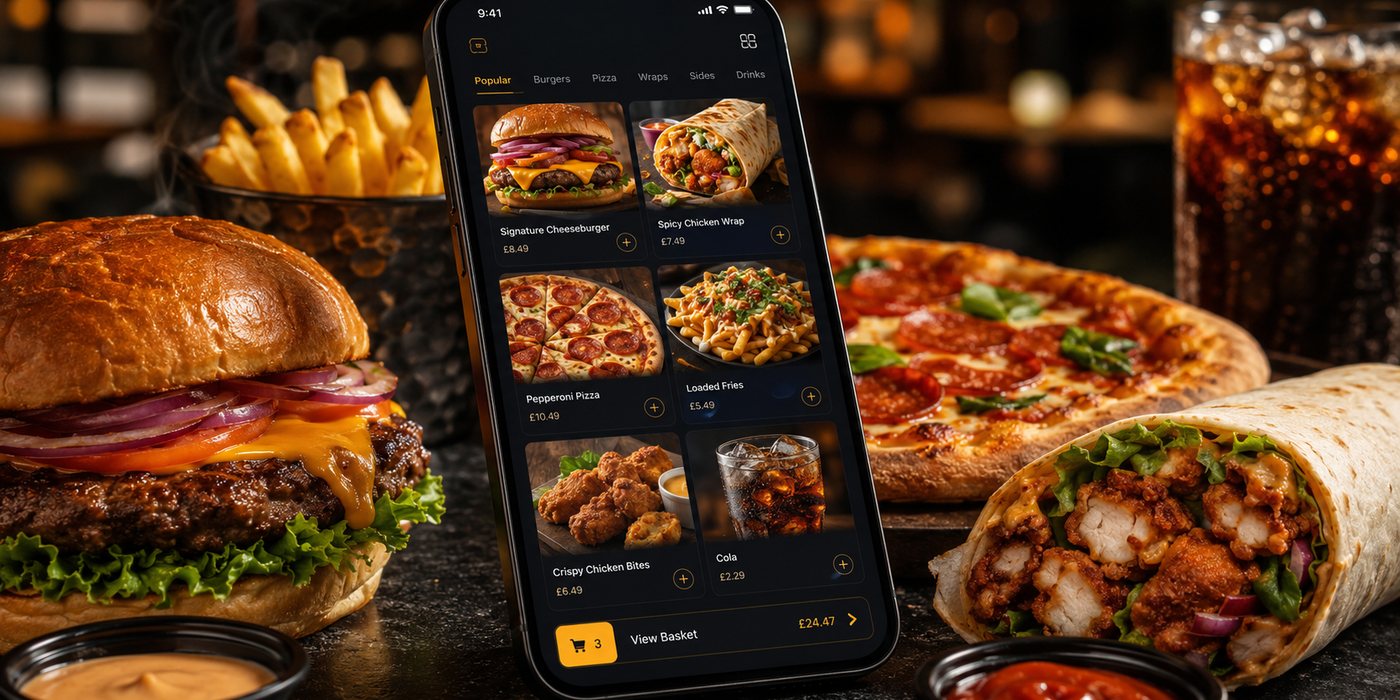
Reducing Kitchen Load from Online Orders
Reduce digital workload by controlling product complexity, preparation, batching, capacity and information quality. Do not solve an overloaded kitchen by asking staff to work faster or by hiding longer delays.
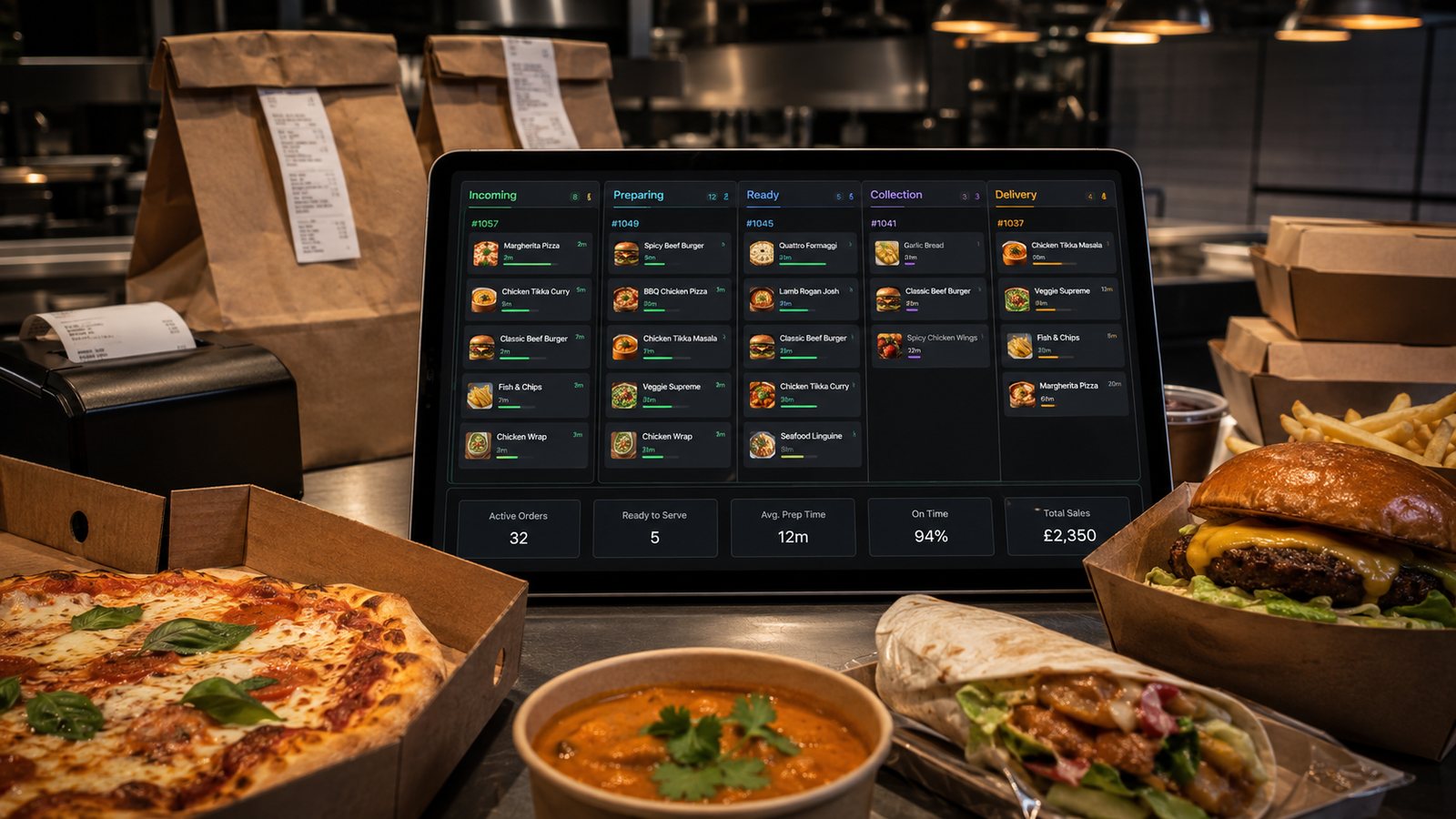
Reduce digital workload by controlling product complexity, preparation, batching, capacity and information quality. Do not solve an overloaded kitchen by asking staff to work faster or by hiding longer delays.
Measure workload, not only order count
Two baskets can create very different kitchen demand. Record stations used, components, modifiers, packing, delivery requirements and quality checks. The useful unit may be bottleneck minutes or components rather than orders. Use this model to identify products and combinations that create disproportionate work.
Simplify the online menu deliberately
- Remove duplicate versions of the same item.
- Limit modifier combinations that the kitchen cannot execute reliably.
- Create structured meal deals instead of free-text construction.
- Use clear customer names and precise kitchen instructions.
- Pause products when an ingredient, station or equipment dependency is unavailable.
- Preserve a record of approved allergen information for the offered configuration.
Simplification does not mean misleading customers or concealing choice. It means offering combinations that can be priced, prepared and checked consistently.
Prepare flexible components
Use observed demand by daypart and station to prepare components that can safely serve several products. Define holding, labelling and replenishment rules. Track waste and shortage together. Preparation that produces excess waste or unsafe holding is not an efficiency gain.
Batch only compatible work
| Batch candidate | Required check |
|---|---|
| Same cooking process | Can all components finish inside their quality window? |
| Similar promised time | Will the earlier order be held unnecessarily? |
| Same route or collection wave | Are the orders actually ready and operationally compatible? |
| Repeated packing format | Can identity and bag count remain clear? |
Control modifiers and free text
Modifiers should be valid, priced and routed. Remove combinations that lead to staff clarification or manual rewriting. Free-text notes should not be used to request an unsupported recipe, alter allergen controls or bypass a charged option. Define which notes can be accepted and which require customer contact.
Use availability and capacity together
Sold-out control answers whether an item can be supplied. Capacity control answers whether the kitchen can supply it within the promise. During amber or red conditions, pause high-workload items, reduce slots, extend times or narrow channels before the queue becomes unmanageable. Apply controls across all sources.
Improve packing and handover
Kitchen load continues after cooking. Standardise container, label, bag and drink placement. Give the packer a complete order view. Separate hot, cold and fragile items appropriately. Measure missing items, leakage and time waiting at the pass. A faster cook that creates a packing bottleneck does not improve completion.
Remove repeated manual correction
- Fix menu mapping instead of rewriting tickets.
- Repair integration errors instead of accepting permanent double entry.
- Correct printer or KDS routing at source.
- Give staff permission to update authorised availability quickly.
- Maintain a clear escalation route for unsupported exceptions.
Test changes with guardrails
For each change, document expected workload reduction, affected products, pilot period and rollback. Track preparation time, completed orders, contribution, errors, complaints, waste and staff feedback. Stop a change that reduces measured time while increasing remakes, fatigue or food-quality failure.
Practical next step
Choose the ten products generating the most bottleneck minutes. For each one, decide whether to simplify, prepare differently, limit by daypart, change routing or keep it unchanged. This produces more value than a general instruction to speed up.
Related guides
- Cross-Channel Operations — the main guide for the wider topic.
- Operational Efficiency — the broader guide that frames this implementation.
- Order Timing and Prep Management — a closely related operational control to review alongside this page.
- Staffing for Digital Orders — a closely related operational control to review alongside this page.
Operational, legal and platform requirements can change. Recheck official guidance and supplier documentation before altering a live service.
Related practical guides
 Cross-Channel OperationsWalk-In Orders with Digital SystemsWalk-in customers make the queue visible, but they still share the same kitchen, stock and capacity as remote orders. Counter service should be f…Read guide →Cross-Channel OperationsTelephone Orders Alongside DigitalTelephone orders can remain valuable for accessibility, complex enquiries and customers who prefer human help. The operational requirement is to …Read guide →Cross-Channel OperationsStaffing for Digital OrdersDigital demand creates an invisible queue and new control work. Staff the workload at intake, kitchen, packing, handover, support and reconciliat…Read guide →Cross-Channel OperationsOrder Timing and Prep ManagementA preparation promise should be generated from real workload and fulfilment conditions, then updated when those conditions change. One fixed time…Read guide →Cross-Channel OperationsSocial Media OrderingSocial media is effective for discovery and customer conversation, but direct messages are rarely a reliable primary ordering system. Move custom…Read guide →
 Business Planning and FinanceTotal Cost of Running Online OrderingThe total cost of online ordering includes software, payment, fulfilment, staff time, failures and supplier exit. A low headline monthly fee can …Read guide →
Connect customer ordering with operations and profit
Use the wider guide library to check the menu, kitchen, fulfilment, payment and financial implications of each decision.
Browse all practical guides