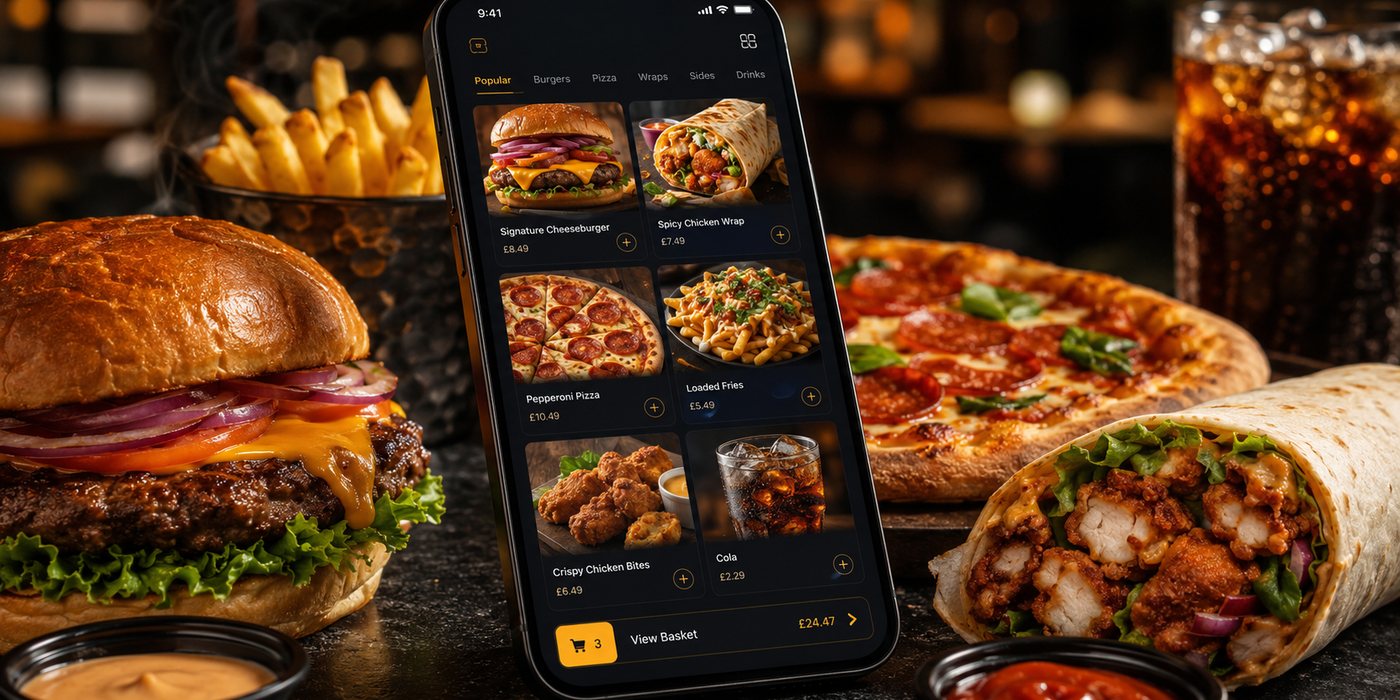
Advanced App Features
Advanced features should earn their place through a defined customer or operational outcome. They are not a substitute for a dependable menu, checkout and order flow.
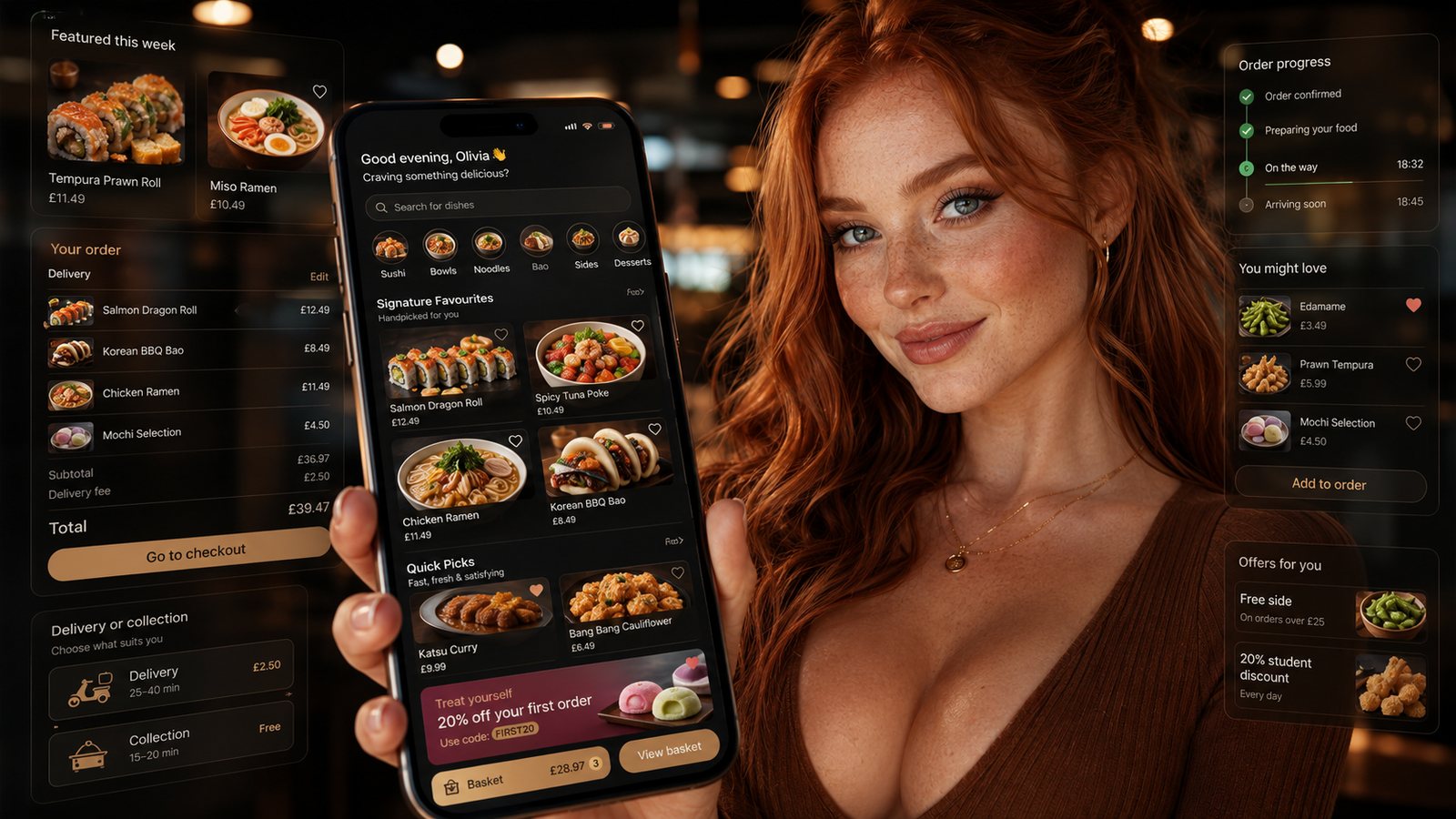
Advanced features should earn their place through a defined customer or operational outcome. They are not a substitute for a dependable menu, checkout and order flow.
Reorder and favourites
Reorder can reduce effort for repeat customers, but the app must recheck current price, availability, required modifiers, delivery rules and allergen information. Show changes before the customer confirms. Favourites should store a useful reference, not create an undeletable profile.
Scheduled ordering and reminders
A scheduled order must reserve future capacity and handle menu or price changes. A reminder is marketing when it promotes a purchase, even if triggered by past behaviour. Define the lawful communication route, frequency and easy opt-out.
In-app support and messaging
- Separate live order support from promotional messaging.
- Show staffed hours and expected response.
- Keep one record when a case moves to phone or marketplace support.
- Restrict personal information shown to staff.
- Do not imply emergency availability the business cannot provide.
Personalisation and recommendations
Use explainable and limited inputs. A recommendation should never silently override dietary or allergen controls. Avoid inferring sensitive characteristics from order history. Give customers meaningful control over optional personalisation where appropriate.
Stored value, subscriptions and memberships
These features create accounting, expiry, refund, fraud and customer-support responsibilities. Define the legal and contractual model before launch, including what happens if the app or supplier closes.
Location-aware features
Request location only when it improves an immediate task such as address selection. Provide a manual alternative, explain the purpose and avoid background collection without a defensible need.
Advanced-feature gate
- State the problem and target group.
- Identify additional personal data and permissions.
- Define operational ownership and support.
- Test unintended outcomes.
- Pilot with stop criteria.
- Remove the feature if value does not justify complexity.
Prove the prerequisites
Advanced features depend on accurate identity, menu, order and fulfilment data. Recommendations are unreliable when product identifiers change. subscriptions are risky when benefits cannot be honoured across locations. Location-aware prompts are inappropriate when the app lacks a clear purpose and proportionate permission design.
Use a risk-and-value gate
| Feature | Required evidence | Main risk |
|---|---|---|
| Recommendations | Clean product and order history | Irrelevant or unsafe assumptions |
| Scheduled orders | Future capacity and availability controls | Accepting demand the kitchen cannot honour |
| Stored value | Ledger, refunds, expiry and reconciliation | Unresolved balances and accounting complexity |
| Location features | Specific customer benefit and minimal precision | Excessive permission and privacy burden |
| In-app messaging | Staff ownership and response process | Customers believing a live issue is being handled when it is not |
Design the off switch
Every advanced feature needs a controlled disable route, communication plan and treatment of existing customers. Turning off a membership, saved payment method or scheduled-order feature can create outstanding commitments. Define the exit before launch.
Review automated decisions
Do not let personalisation, fraud controls or promotion eligibility produce unexplained customer outcomes. Keep meaningful human review for complaints and monitor whether a model or rule disadvantages particular customer groups or creates unsafe kitchen demand.
Related guides
- Restaurant Apps — the main guide for the wider topic.
- App Features and Functionality — the broader guide that frames this implementation.
- Essential Features of a Restaurant Ordering App — a closely related operational control to review alongside this page.
- App Administration Features — a closely related operational control to review alongside this page.
Sources and recheck points
Guidance checked: 24 July 2026. Recheck official guidance and supplier documentation before changing a live process.
Operational, legal and platform requirements can change. Recheck official guidance and supplier documentation before altering a live service.
Related practical guides
 Restaurant AppsProgressive Web Apps for TakeawaysA progressive web app can provide an install-like web ordering experience while retaining a web distribution model. It should be chosen for the r…Read guide →
 Restaurant AppsHow to Plan a Restaurant App LaunchPlan an app launch through operational readiness, store submission, controlled customer testing and measurable adoption. Do not let a marketing d…Read guide →
 Restaurant AppsHow Much Does a Takeaway App Cost?The price depends less on the number of screens than on the ordering system, integrations, ownership, support and change burden behind them.Read guide →Restaurant AppsGetting Customers to Download and Use the AppPromote an app to customers for whom it solves a real repeat-order problem, then measure successful use rather than raw downloads.Read guide →Restaurant AppsEssential Features of a Restaurant Ordering AppAn essential app feature is one without which a customer cannot place a clear, payable and operationally achievable order—or the business cannot …Read guide →Restaurant AppsCustom-Built Restaurant AppsA custom app is justified when the business has a valuable requirement that available platforms cannot meet and can fund the product throughout i…Read guide →
Connect customer ordering with operations and profit
Use the wider guide library to check the menu, kitchen, fulfilment, payment and financial implications of each decision.
Browse all practical guides