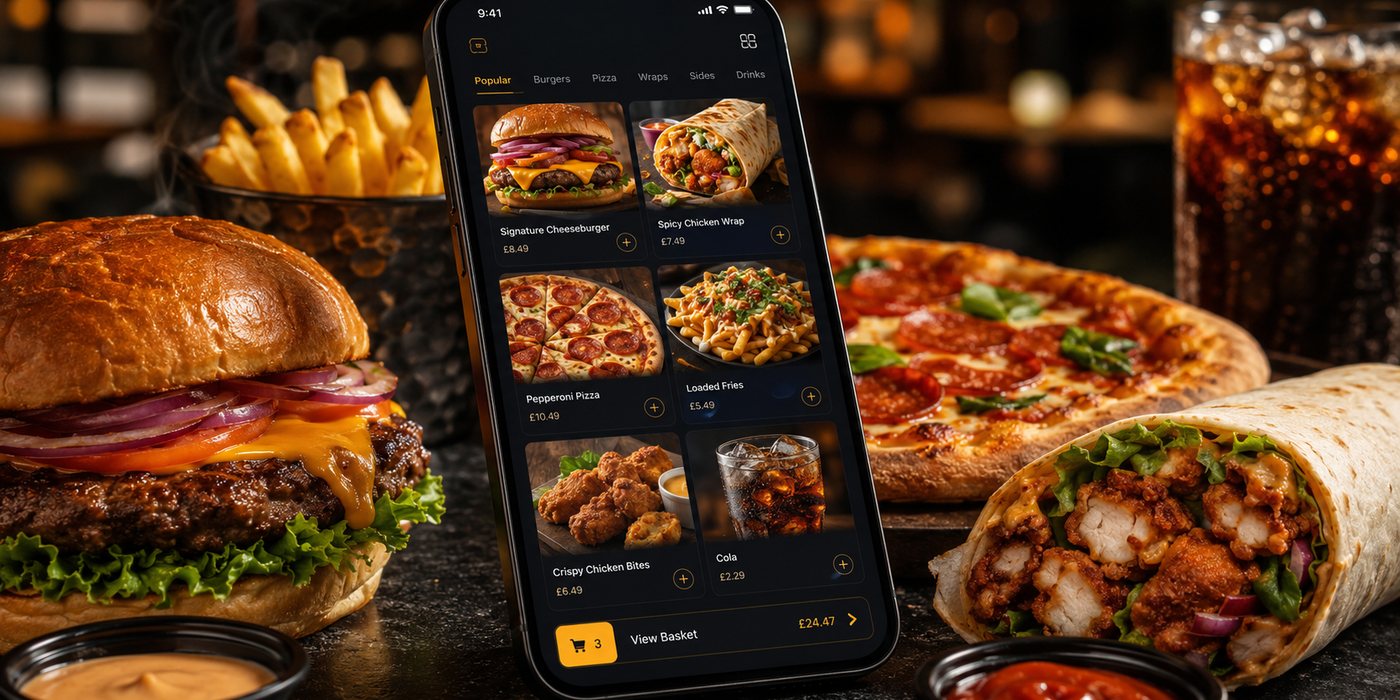
Moving from Telephone Orders to Digital Ordering
Moving orders online should reduce avoidable call handling without making loyal customers feel that the business has become harder to reach. The safest transition is gradual: understand why people call, reproduce the…
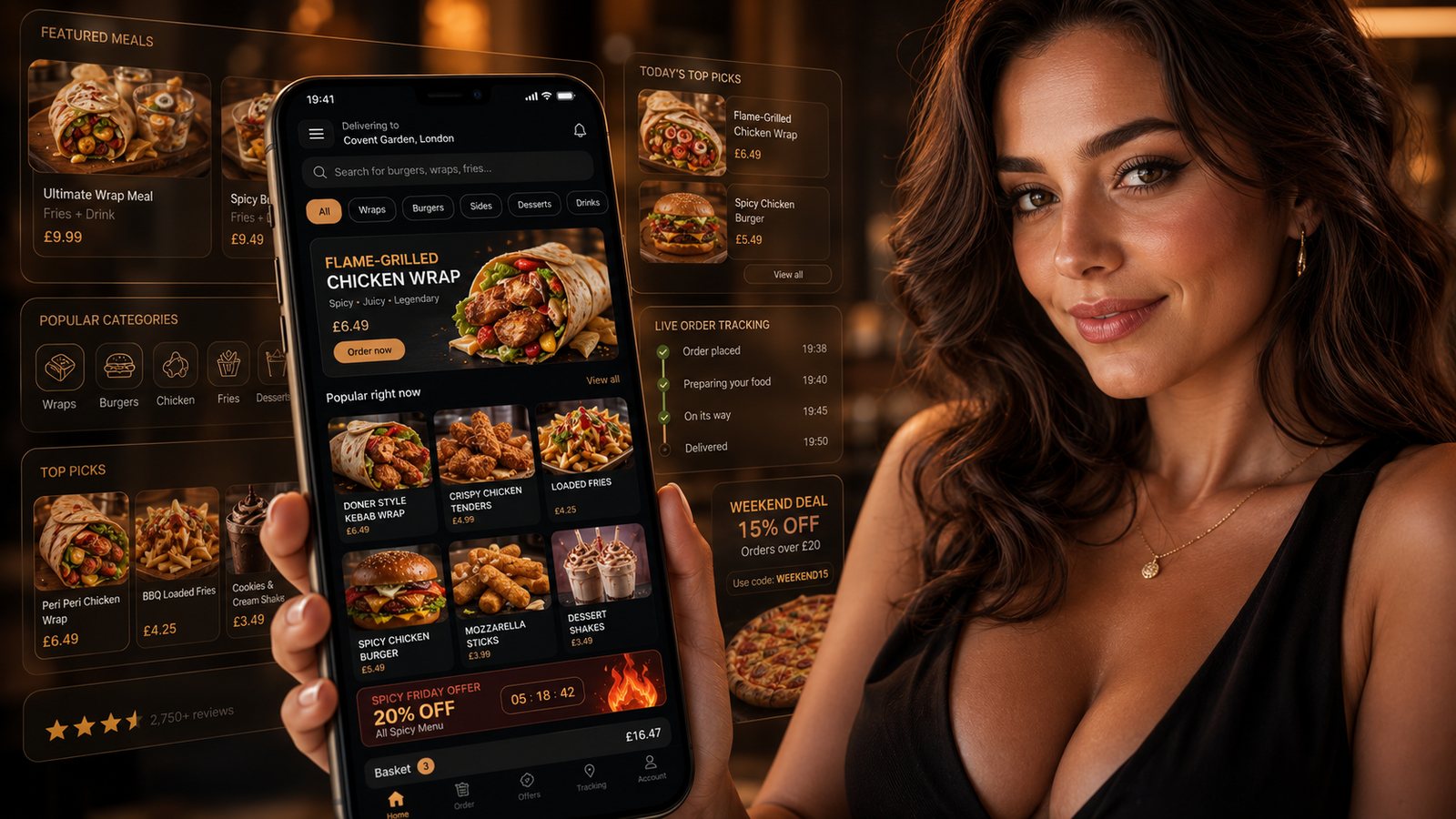
Moving orders online should reduce avoidable call handling without making loyal customers feel that the business has become harder to reach. The safest transition is gradual: understand why people call, reproduce the useful parts of the telephone process online and keep a clear route for questions or exceptions that cannot be resolved through the menu.
Measure what the telephone currently does
Before changing anything, review a representative sample of calls. Separate them into categories:
- straightforward orders that could be completed online;
- questions about ingredients, allergens or dietary suitability;
- requests for unavailable or unusual customisation;
- address, delivery-zone or collection-time questions;
- order changes, complaints or follow-up calls;
- customers who need additional help using a digital service.
This prevents the business from treating every call as waste. Some calls indicate that the website is unclear; others are legitimate service conversations that should remain available.
Fix the online journey before promoting it
A regular customer will not switch because the business prints a QR code. The digital route must be at least as dependable as the telephone for common orders.
Check that the customer can:
- find the correct menu quickly on a phone;
- see current prices, opening times and availability;
- choose delivery or collection without completing irrelevant fields;
- select common options without typing a note;
- understand allergen information and how to ask a question;
- see the total price and expected time before paying;
- receive a clear confirmation with an order number;
- contact the business if the confirmation does not arrive.
Place test orders using the devices and browsers customers actually use. Staff who already know the menu may overlook confusing labels that are obvious to a first-time visitor.
Run telephone and digital orders in parallel
Do not remove the established channel on the day the website launches. Keep both routes available while staff and customers learn the new process. The transition period should continue until the business has evidence that online orders are arriving accurately and that customers who need assistance can still obtain it.
During this period, decide how both channels enter the same kitchen queue. Telephone orders should not be hidden on a paper pad while digital orders appear on a screen with different priority rules. Use a common ticket format or a clear manual routing process so the kitchen can see the total workload.
Give staff a helpful, non-pushy explanation
Staff should explain the practical benefit rather than tell customers that telephone orders are no longer welcome. A suitable message might be:
“You can still order with us by phone. For a straightforward order, our website also shows the live menu and sends the order directly into our system.”
If the caller is already placing an order, forcing them to stop and use the website is likely to create frustration. Complete the order, mention the alternative for next time and include a short web address or QR code with the food.
Use packaging and receipts carefully
Packaging is a useful place to explain the direct ordering route because the recipient has already bought from the business. Keep the message simple: one destination and one genuine benefit, such as easier reordering, live availability or a collection option.
Do not make claims that the website cannot consistently support. Avoid promising lower prices, faster delivery or exclusive items unless those benefits are real and maintained. Check marketplace agreements before using information or promotional methods connected with marketplace orders; commercial terms vary by provider and may change.
Train staff for the new failure points
Telephone ordering has familiar problems. Digital ordering introduces different ones. Staff need a written response for:
- a customer who has paid but the order is not visible;
- two copies of the same order;
- an address outside the configured delivery area;
- a contradictory modifier or note;
- a sold-out item that remained online;
- a customer who wants to change an accepted order;
- a printer, tablet or connection failure.
The fallback must state who checks payment, who contacts the customer, how the kitchen receives the corrected order and how the incident is recorded for reconciliation.
Keep allergen and dietary conversations safe
The website should provide written allergen information at the required stages for distance orders, but it should not create false confidence. A customer may still need to speak to the business about ingredients, recipe changes or possible cross-contact. Keep a visible contact route and train staff not to guess.
Free-text notes are not a substitute for an allergen process. A message such as “allergy” or “please make separately” must trigger the business's agreed procedure; it must not be treated as a guarantee that the order is safe.
Separate order updates from marketing
A customer can receive a confirmation or collection update because it is part of the order service. That does not automatically provide permission for future promotional emails or texts. If the checkout offers marketing, present the choice separately and make the wording clear.
Decide whether to reduce telephone availability
Only consider reducing routine telephone ordering after reviewing evidence:
- online orders are accurate and stable during peaks;
- customers can find and use the menu without repeated support;
- the kitchen sees telephone, walk-in and digital work in one queue;
- there is an accessible alternative for customers who cannot use the website;
- questions about allergens, complaints and order changes still reach a responsible person;
- the fallback process has been tested.
Even then, the telephone may remain valuable for exceptions and customer service. The objective is not to eliminate human contact. It is to move routine data entry into a more accurate channel while preserving help where it adds value.
Review the transition
Track unanswered calls, online order errors, customer support requests, staff interventions and the share of repeat customers using the direct route. Listen to complaints about the process rather than assuming resistance is simply a preference for the old method. Repeated questions usually point to missing information or poor design.
Related guides
- Online Ordering — the main guide for the wider topic.
- Getting Started with Online Ordering — the broader guide that frames this implementation.
- How to Choose an Online Ordering System — a closely related operational control to review alongside this page.
- Online Ordering for New Takeaway Businesses — a closely related operational control to review alongside this page.
Official guidance checked
- Food Standards Agency: Distance selling and pre-ordering allergen information
- Information Commissioner's Office: Electronic and telephone marketing
Guidance checked: 24 July 2026. Marketplace contracts and ordering-system functionality must be checked directly before changing a live process.
Operational, legal and platform requirements can change. Recheck official guidance and supplier documentation before altering a live service.
Related practical guides
 Online OrderingHow to Design Checkout for TakeawayA takeaway checkout should confirm a clear order, a realistic fulfilment promise and a transparent total price with as little unnecessary effort …Read guide →
 Online OrderingFood Hygiene Ratings and Online OrderingA hygiene rating is an official snapshot of standards found at an inspection. Displaying it accurately can build trust, but the rating should not…Read guide →
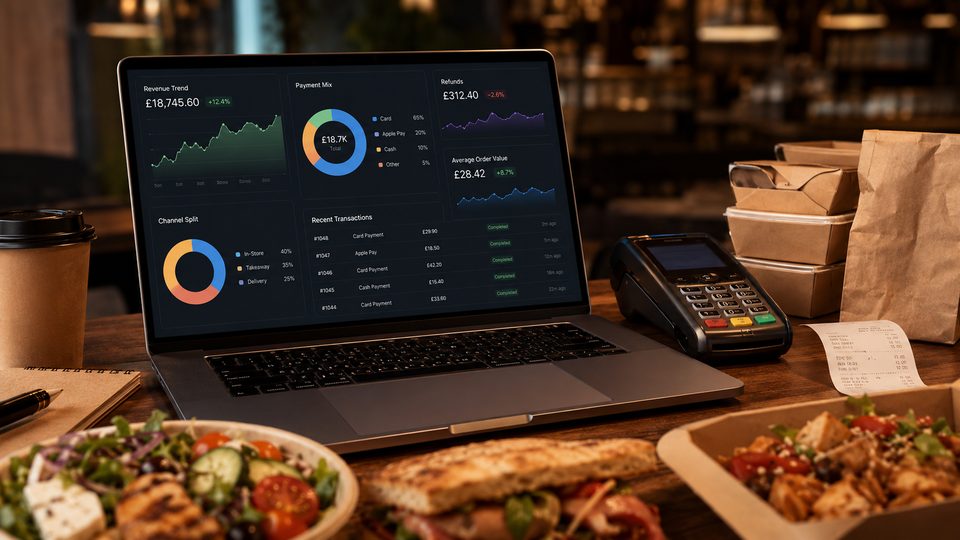 Online OrderingConversion Rate Optimisation for OrderingConversion-rate optimisation for takeaway ordering should remove avoidable confusion and failure, not pressure customers into unsuitable orders. …Read guide →
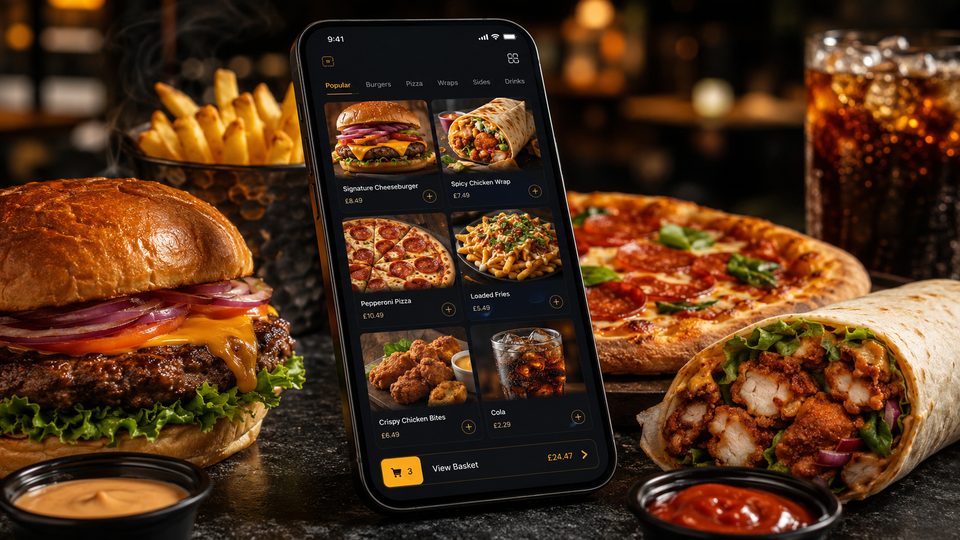 Online OrderingCollection and Click-and-Collect SetupClick-and-collect removes driver and delivery-zone complexity, but it does not remove the need for capacity control. A poor setup moves the queue…Read guide →
 Online OrderingHow to Reduce Dependence on Delivery MarketplacesReducing marketplace dependence should not mean switching off a channel that still brings useful demand. The safer objective is to build a direct…Read guide →Online OrderingHow to Handle Busy PeriodsA busy period becomes damaging when orders enter faster than the kitchen, packing area or delivery operation can complete them. The solution is n…Read guide →
Connect customer ordering with operations and profit
Use the wider guide library to check the menu, kitchen, fulfilment, payment and financial implications of each decision.
Browse all practical guides